Companies Mentioned


Why It Matters
Accurate pop‑culture references boost STEM outreach, while sensational claims risk misinforming the public about cutting‑edge physics. The dialogue between entertainment and academia shapes future research funding and talent pipelines.
Key Takeaways
- •Stranger Things references Einstein‑Rosen bridges in classroom scene
- •Wormholes remain theoretical, requiring exotic matter to stay open
- •Hollywood popularized wormholes, influencing physicists' research focus
- •2022 quantum‑computer ‘holographic wormhole’ sparked scientific controversy
- •Teachers use the series to engage teens in physics concepts
Pulse Analysis
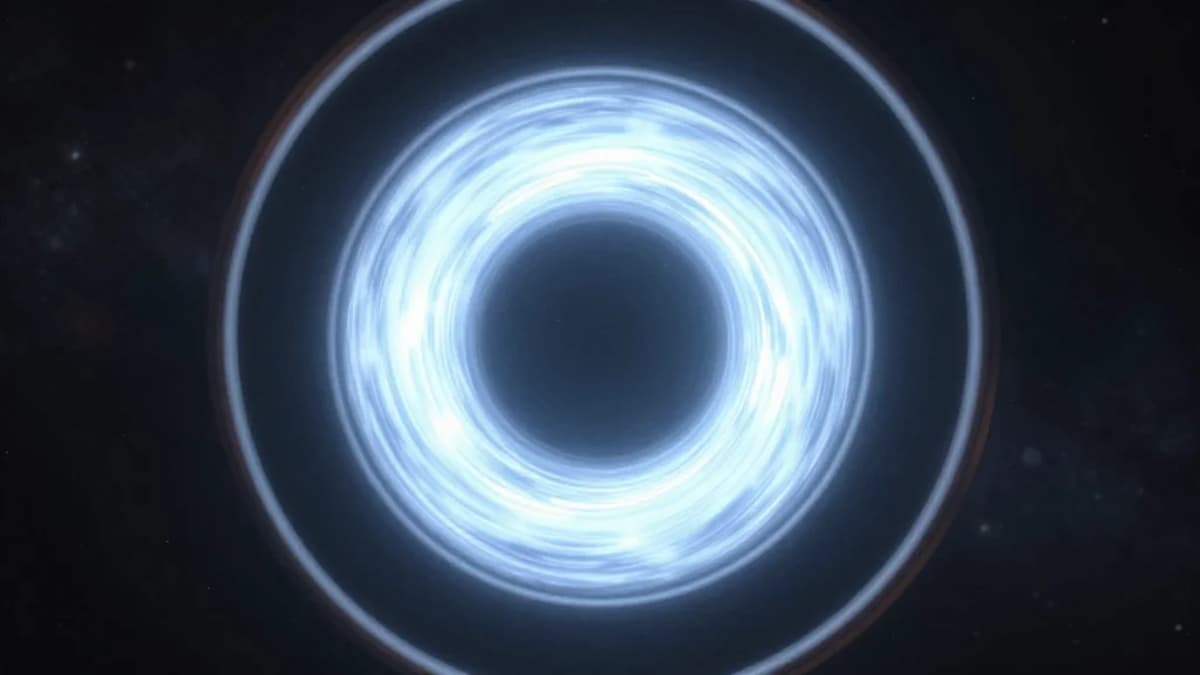
*Stranger Things* has turned a complex relativistic concept into a memorable classroom moment, correctly naming the Einstein‑Rosen bridge as the scientific foundation of wormholes. By framing the idea as a “shortcut between galaxies or dimensions,” the show aligns with the original 1935 solution by Einstein and Rosen, while still indulging the series’ 80s‑era storytelling flair. This blend of accurate terminology and dramatic license demonstrates how mainstream media can introduce sophisticated physics to a broad audience without sacrificing narrative momentum.
The scientific community acknowledges the cultural boost but remains cautious. Theoretical work by Kip Thorne, Michael Morris, and others shows that traversable wormholes would need exotic matter with negative energy density—conditions not observed in nature. A 2022 claim of a “holographic wormhole” created on Google’s Sycamore quantum chip ignited debate, highlighting how sensational headlines can blur the line between simulation and physical reality. Such controversies underscore the responsibility of journalists and filmmakers to contextualize breakthroughs, ensuring that public enthusiasm does not translate into misinformation.
Educators are seizing the moment. Professors like Carsten Welsch at Liverpool University use *Stranger Things* to illustrate abstract concepts, from wormholes to antimatter analogies, turning pop‑culture curiosity into rigorous classroom discussion. This pedagogical strategy taps into teenage media consumption patterns, fostering deeper engagement with STEM subjects. As the series continues to embed scientific ideas within its narrative, it not only entertains but also cultivates the next generation of physicists, engineers, and critical thinkers.
What Stranger Things gets right about wormholes
0
Comments
Want to join the conversation?
Loading comments...