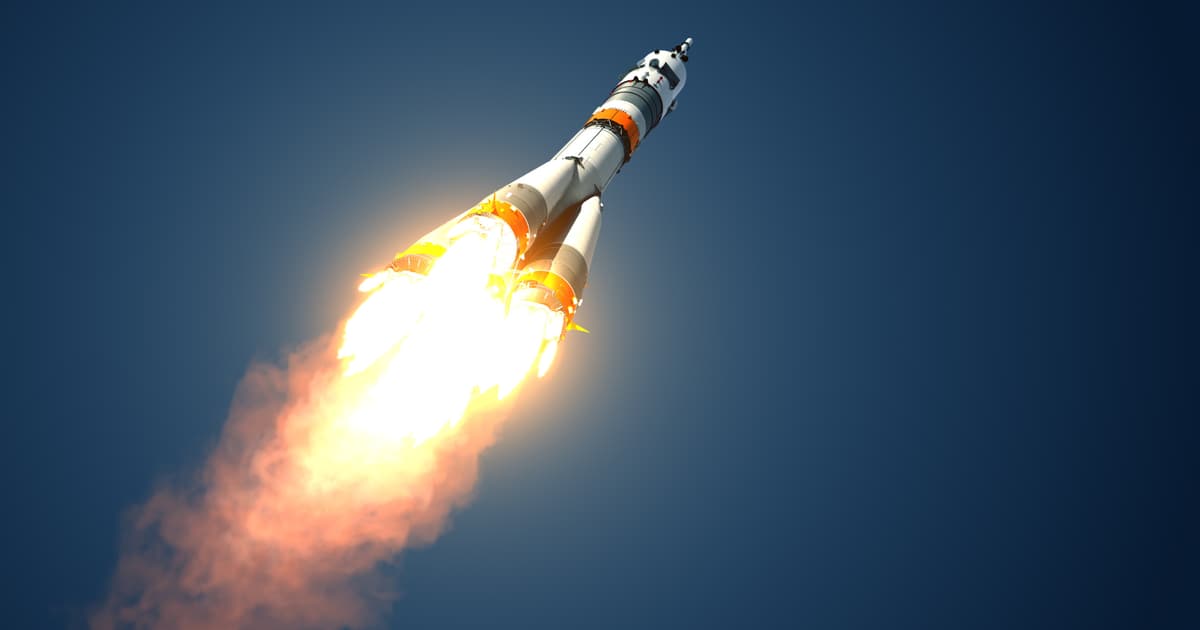
When Soviet Cosmonaut Sergei Krikalev Launched to Mir in May 1991, the Country that Sent Him Was Still the USSR; by the Time He Returned in March 1992 It No Longer Existed, His Home City of Leningrad Had Become Saint Petersburg, and Even the Spaceport that Launched Him — Baikonur — Was Now Inside Newly Independent Kazakhstan, Forcing Russia to Renegotiate Access to the Machinery of Its Own Space Program
Why It Matters
The Krikalev mission illustrates how sudden political change can reshape a nation’s space infrastructure, compelling Russia to secure long‑term access to a foreign launch site and spurring the development of domestic alternatives.
Key Takeaways
- •Krikalev spent 311 days on Mir, witnessing USSR's dissolution
- •Baikonur lease to Russia costs about $115 million annually until 2050
- •Russia built Vostochny as an alternative launch site, first crewed launch pending
- •The 1994 lease cemented Russia’s reliance on Kazakh territory for crewed missions
- •Krikalev’s mission symbolizes geopolitical shifts impacting space infrastructure
Pulse Analysis
When Sergei Krikalev lifted off from Baikonur in May 1991, he did so under the Soviet flag, unaware that his mission would become a living chronicle of a collapsing superpower. The failed August 1991 coup, the renaming of Leningrad to Saint Petersburg, and Kazakhstan’s December independence all unfolded while he orbited Mir. Funding shortfalls extended his stay to 311 days, turning a routine long‑duration flight into a symbolic bridge between two eras of Russian spaceflight.
The dissolution left Russia without sovereign control of its primary launchpad, prompting a series of negotiations that culminated in the 1994 lease of Baikonur. The agreement, renewed in 2004 and now running through 2050, obliges Russia to pay roughly $115 million per year for use of the complex, which remains Kazakh territory under a special legal regime. Periodic rent disputes and Kazakhstan’s 2018 reclamation of parts of the site have kept the arrangement under pressure, driving Moscow to invest heavily in the Vostochny Cosmodrome in the Far East. Although Vostochny has demonstrated uncrewed Soyuz‑2 and Angara launches, a crewed mission from Russian soil remains unrealized.
Krikalev’s experience underscores a broader lesson: geopolitical shocks can embed themselves in the architecture of space programs, creating long‑lasting dependencies. Russia’s reliance on Baikonur has shaped its launch cadence, international partnerships, and strategic calculus for three decades. The push for Vostochny reflects a desire for autonomous access to orbit, a goal that will define the next phase of Russian space policy as it seeks to balance legacy infrastructure with emerging national capabilities.
When Soviet cosmonaut Sergei Krikalev launched to Mir in May 1991, the country that sent him was still the USSR; by the time he returned in March 1992 it no longer existed, his home city of Leningrad had become Saint Petersburg, and even the spaceport that launched him — Baikonur — was now inside newly independent Kazakhstan, forcing Russia to renegotiate access to the machinery of its own space program
Comments
Want to join the conversation?
Loading comments...