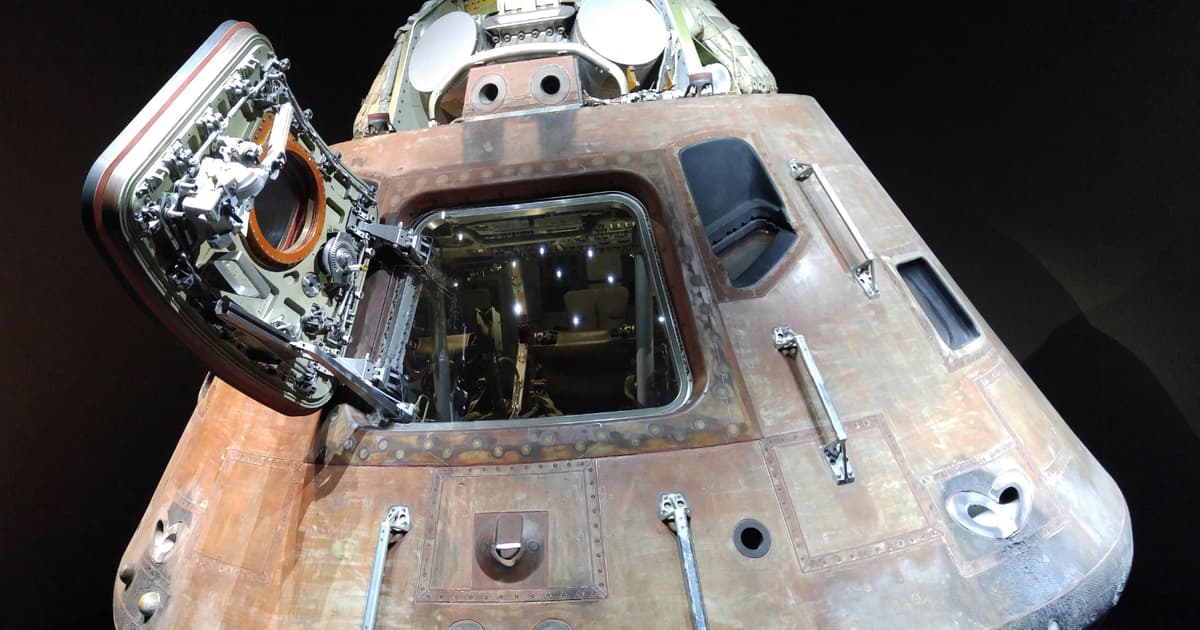
When the Apollo 11 Crew Prepared to Leave the Moon, They Found the Circuit Breaker that Armed Their Ascent Engine Had Snapped Off After a Bulky Backpack Knocked It, and Buzz Aldrin Pushed It Back Into Place with a Felt-Tip Pen Rather than Risk Putting Metal Into a Live Electrical Circuit.
Why It Matters
The episode illustrates how real‑time problem solving and a disciplined operations culture can avert mission‑critical failures, while also driving incremental hardware improvements for future flights.
Key Takeaways
- •Breaker snapped when PLSS backpack hit it during LM cabin shuffle
- •Aldrin chose a plastic‑tipped pen to avoid conducting electricity
- •Mission Control prepared backup arming procedures before the pen was tried
- •Subsequent Apollo LM missions added metal guards to protect the breaker
- •The story highlights how in‑flight anomalies shape spacecraft design
Pulse Analysis
The Apollo 11 ascent‑engine glitch reads like a Hollywood moment, but its true value lies in the procedural rigor behind it. When Aldrin discovered the broken ENG ARM switch, he reached for a Duro felt‑tip marker—an everyday writing tool that happened to be non‑conductive. By inserting the pen’s plastic tip into the exposed opening, the crew restored the circuit without risking a short, allowing the lunar module to lift off on schedule. This quick fix was possible because the astronauts were trained to identify anomalies, report them promptly, and consider multiple contingencies.
Behind the scenes, Mission Control spent the night drafting alternative arming sequences, illustrating NASA’s layered safety philosophy. Engineers evaluated manual circuit‑closing methods, backup power paths, and procedural work‑arounds, ensuring that the pen was merely the first viable option, not a last‑ditch rescue. The collaborative troubleshooting reinforced a culture where ground teams and crew operate as a single decision‑making entity, reducing the chance of panic‑driven errors. The incident also spurred a modest but lasting hardware revision: later lunar modules received protective guards on the engine‑arm breaker, preventing accidental contact from bulky equipment.
Beyond Apollo, the episode serves as a case study in aerospace risk management. It shows how seemingly trivial components—a plastic switch and a felt‑tip pen—can become mission‑critical when design margins are tight. The narrative also cautions against mythologizing single‑hero moments; the real triumph was a system that could adapt, learn, and iterate. Modern programs, from commercial crew to deep‑space probes, embed similar feedback loops, turning in‑flight failures into design upgrades that enhance safety and reliability across the industry.
When the Apollo 11 crew prepared to leave the Moon, they found the circuit breaker that armed their ascent engine had snapped off after a bulky backpack knocked it, and Buzz Aldrin pushed it back into place with a felt-tip pen rather than risk putting metal into a live electrical circuit.
Comments
Want to join the conversation?
Loading comments...