Why Is the US Space Force Researching 'Orbital Warehouses'?
Companies Mentioned
Why It Matters
Orbital depots could dramatically shorten the time and cost to repair or refuel U.S. satellites, preserving critical communications and intelligence assets against adversary threats. The program also opens a new market for commercial space‑logistics providers.
Key Takeaways
- •Space Force launches challenge for orbital warehouses and transfer vehicles
- •Astroscale and Starfish Space slated for 2027 on‑orbit demos
- •Depots aim to store fuel, supplies, and enable rapid satellite servicing
- •Challenge seeks solutions in robotics, cryogenics, autonomy, and orbital mechanics
- •Success could counter adversary maneuvering and extend satellite lifespans
Pulse Analysis
The Space Force’s push for orbital warehouses reflects a strategic shift from ground‑centric supply chains to in‑space logistics. As China and Russia field increasingly agile satellites and test kinetic anti‑satellite weapons, the United States needs a way to keep its own constellations operational without costly launch cycles. By positioning fuel and spare parts in near‑geosynchronous orbits, the military can perform rapid on‑orbit servicing, reducing vulnerability windows and extending satellite lifespans.
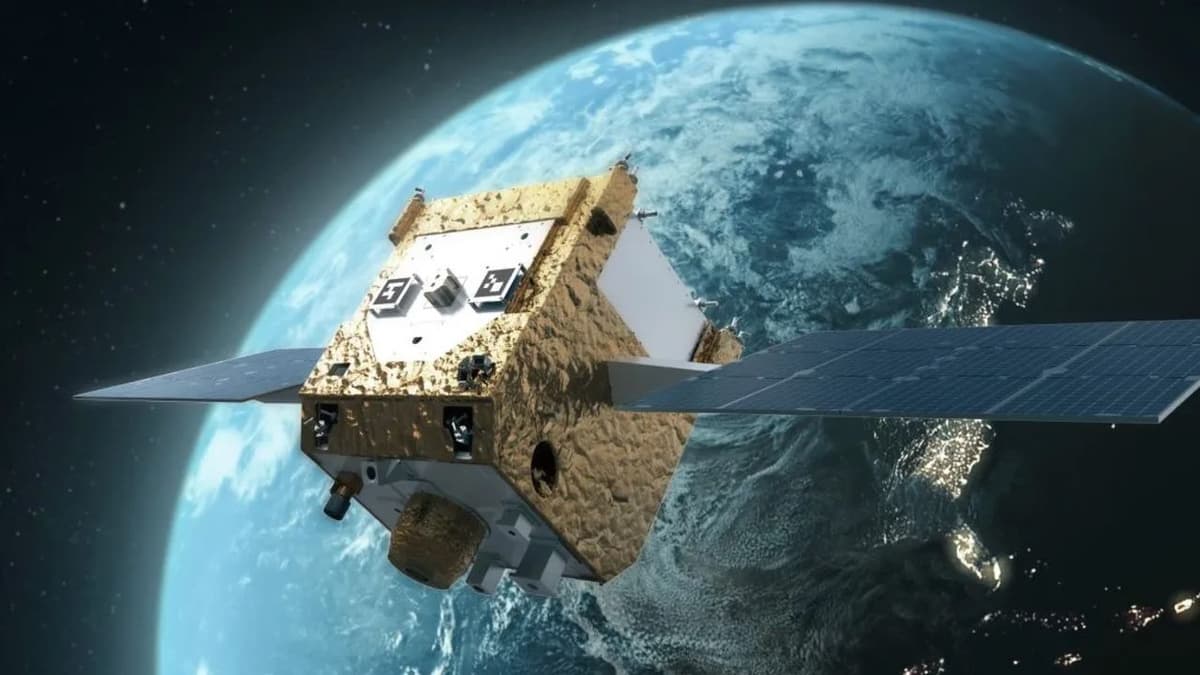
The new SpaceWERX challenge invites startups, academia, and established aerospace firms to propose reusable transfer vehicles and depot designs that meet stringent requirements in cryogenics, robotics, autonomy, and metrology. Early demonstrations, such as Starfish Space’s US‑Otter 1 and Astroscale’s Provisioner, will validate rendezvous, docking, and refueling techniques using commercial depots like Orbit Fab. These pilots will generate data on optimal orbital slots, fuel management, and cross‑loading procedures, informing the broader logistics architecture envisioned for Objective Force 2040.
If successful, orbital warehouses could spawn a commercial market akin to terrestrial freight hubs, attracting private investment and fostering a supply‑chain ecosystem for satellite operators worldwide. The capability would not only safeguard national security assets but also lower barriers for civilian constellations seeking on‑demand maintenance. In the long term, a robust in‑space logistics network may become a cornerstone of space‑based services, from Earth observation to deep‑space missions, reshaping the economics of the orbital economy.
Why is the US Space Force researching 'orbital warehouses'?
Comments
Want to join the conversation?
Loading comments...