Why the Dust on the Moon Is Sharper than Broken Glass and How that Single Fact Is Forcing NASA to Redesign Every Piece of Hardware It Plans to Send There
Companies Mentioned

Why It Matters
If unaddressed, abrasive regolith could cripple life‑support, power and mobility systems, jeopardizing crew safety and mission success. Solving the dust problem is therefore essential for sustainable lunar operations and commercial expansion.
Key Takeaways
- •Lunar regolith particles are sharper than broken glass, abrasively cutting Kevlar
- •Dust penetrates seals, bearings, optics, degrading solar panels and thermal radiators
- •NASA mandates dust‑tolerance testing under standard NASA‑STD‑1008 for Artemis hardware
- •Electrodynamic Dust Shield and Lunar SCRUB are leading mitigation technologies
- •Axiom’s AxEMU suit uses rear‑entry design and disposable outer layers
Pulse Analysis
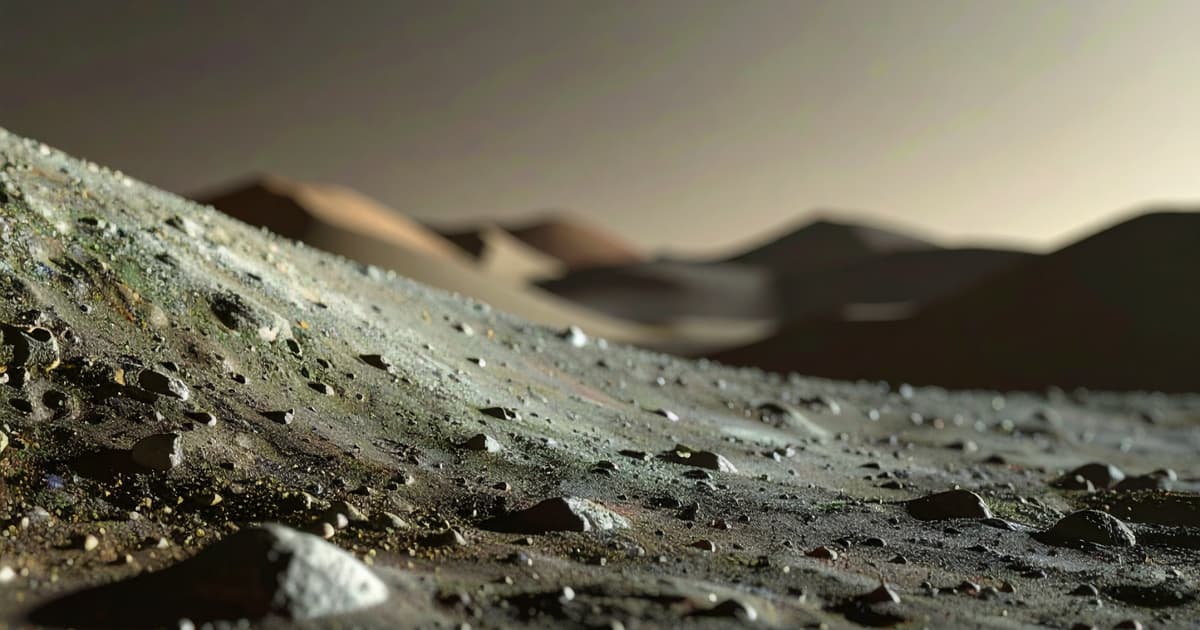
The Moon’s surface is a relentless sandblaster. Without atmosphere, water or wind, each micrometeorite impact shatters basaltic rock into jagged shards that remain razor‑sharp for billions of years. Those particles are not only mechanically abrasive; they are electrostatically charged, cling to virtually any material, and are small enough to bypass conventional filters. Toxicology research links the silicate‑rich dust to lung cell damage, echoing the silicosis risk faced by terrestrial miners. This unique combination of physical and health hazards makes lunar regolith a singular environmental constant that designers must treat like vacuum or radiation.
For Artemis, the stakes are dramatically higher than the brief Apollo excursions. Extended stays demand reliable power, thermal control, and mobility, all of which are vulnerable to dust accumulation. Solar arrays lose efficiency when a charged film forms on their glass, thermal radiators overheat as their emissivity changes, and optical sensors suffer reduced contrast. Mechanical bearings and pressure seals grind down, leading to premature failure. NASA’s 2021 NASA‑STD‑1008 now requires every hardware element to undergo dust‑tolerance testing, prompting a portfolio of mitigation strategies. The Electrodynamic Dust Shield creates traveling electric fields that repel particles, while the Lunar SCRUB electron‑beam system destabilizes dust bonds in seconds. Both have demonstrated removal of real regolith on ISS and sub‑orbital test flights.
The broader implication is a paradigm shift in lunar system architecture. Dust mitigation is no longer an after‑thought but a cross‑cutting capability that influences suit fabrics, habitat hatch designs, rover wheels, and scientific instruments alike. Axiom’s AxEMU suit exemplifies this new approach with rear‑entry access and disposable outer layers that absorb abrasion before astronauts re‑enter the cabin. As commercial partners gear up for longer missions and potential lunar resource extraction, mastering regolith management will be a decisive factor in turning the Moon from a short‑term destination into a sustainable outpost.
Why the dust on the moon is sharper than broken glass and how that single fact is forcing NASA to redesign every piece of hardware it plans to send there
Comments
Want to join the conversation?
Loading comments...