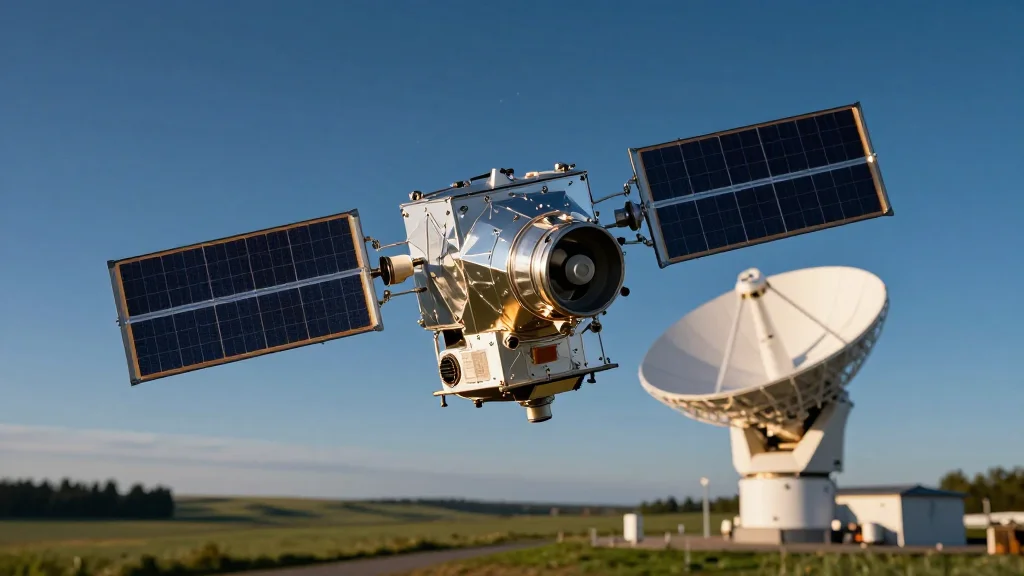
Will Canada’s Telesat Really Complete Its Lightspeed Constellation by 2028?
Why It Matters
If Lightspeed launches on schedule, Telesat could compete directly with SpaceX and Amazon in global broadband, reshaping satellite connectivity markets. Conversely, delays or further reductions would erode confidence in its ability to capture market share and justify the multi‑billion dollar investment.
Key Takeaways
- •Telesat invested $171 M in Q1, total spend reaches $2.7 B
- •Lightspeed constellation timeline targets full service by Q1 2028
- •FCC amendment cuts planned satellites from 1,671 to 300
- •No LEO satellites launched yet, raising schedule credibility concerns
Pulse Analysis
The race to dominate low‑Earth‑orbit broadband is heating up, with SpaceX's Starlink and Amazon's Project Kuiper setting high benchmarks for speed, coverage, and cost. Telesat's Lightspeed aims to join this elite group by delivering a globally accessible, high‑throughput network, but its revised plan of 300 satellites is a fraction of the megaconstellations that have already secured market footholds. This downsizing could reflect a strategic pivot toward niche enterprise customers or a response to regulatory and launch‑capacity constraints, yet it also narrows the revenue runway needed to amortize the $2.7 billion outlay.
Financially, Telesat appears solid: the $171 million Q1 infusion, split between $19 million operating expenses and $152 million capital expenditures, signals disciplined cash management. The firm’s claim of being fully funded through existing cash reserves and credit facilities reduces immediate financing risk, but the absence of any launched satellites means investors are still betting on future launch contracts and successful integration of ground infrastructure. Technical milestones cited—design reviews, terminal development, and software progress—are necessary but not sufficient; the transition from prototype to operational fleet typically uncovers unforeseen engineering and supply‑chain challenges.
For the broader satellite industry, Lightspeed's trajectory serves as a bellwether for mid‑size players attempting to scale in a market dominated by deep‑pocketed U.S. giants. A successful 2028 rollout could diversify global broadband options and stimulate competition on price and service quality. Conversely, missed deadlines or further constellation cuts would likely reinforce the notion that only the largest, well‑capitalized firms can sustain the capital‑intensive LEO model, prompting investors to reassess exposure to emerging satellite ventures.
Will Canada’s Telesat really complete its Lightspeed constellation by 2028?
Comments
Want to join the conversation?
Loading comments...