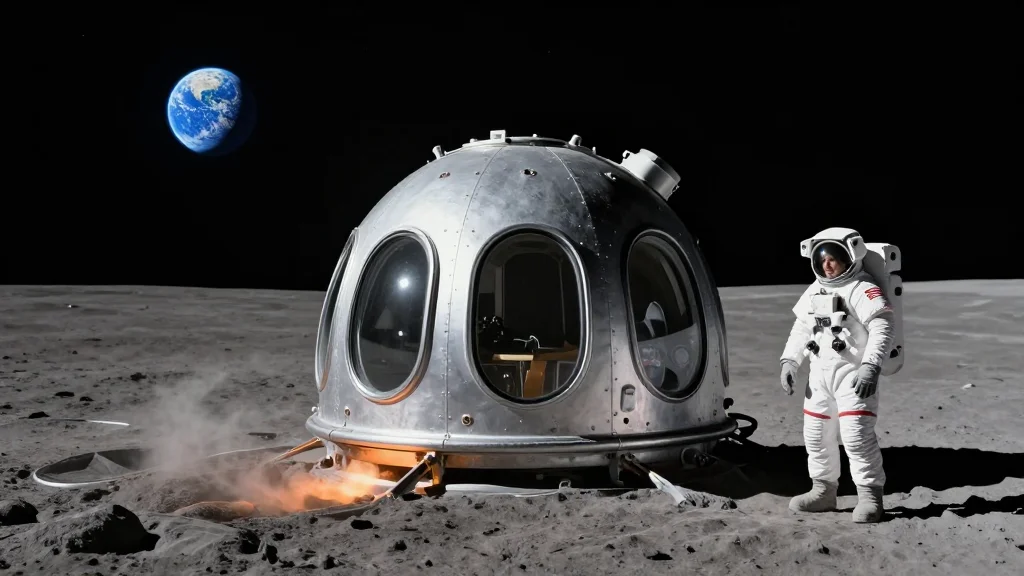
Will Future Missions to the Moon Be Sustainable? It May Depend on Whom You Ask
Why It Matters
Understanding how stakeholders define lunar sustainability is critical for crafting regulations that balance commercial ambitions with the preservation of the moon’s unique environment, influencing the future of space‑based economies and scientific research.
Key Takeaways
- •Survey of 277 space stakeholders shows divergent definitions of lunar sustainability
- •Industry respondents prioritize affordable, reusable infrastructure and lunar resource economics
- •Academics emphasize environmental protection, ethical stewardship, and “leave‑no‑trace” principles
- •Starship landing could disturb lunar surface up to five times Apollo impact
Pulse Analysis
The race to establish a permanent human presence on the moon is accelerating, driven by NASA’s Artemis program and a growing cadre of commercial players. While the ambition is to build habitats, extract resources and generate a lunar economy, the concept of "sustainability" remains ambiguous in space. On Earth, sustainability balances ecological health, economic viability, and social equity; on the moon, those pillars translate into preserving a pristine regolith, ensuring mission affordability, and fostering international cooperation. This lack of a shared definition creates tension among stakeholders who must decide how to protect a landscape that records every disturbance for millennia.
A recent survey of 277 individuals with direct ties to space exploration—ranging from agency engineers to academic researchers—exposed the divide. Industry respondents framed sustainability in financial and operational terms, championing reusable landers, in‑situ resource utilization and a self‑sustaining commercial ecosystem. In contrast, academics prioritized environmental stewardship, arguing that the moon should remain a shared scientific heritage free from large‑scale exploitation. About 20% of participants advocated a strict "leave‑no‑trace" ethic, opposing any permanent alteration. These opposing viewpoints underscore the need for a nuanced policy framework that can accommodate both economic growth and preservation of scientific value.
The environmental stakes are real. A single Starship‑class landing can disturb an area up to five times larger than the Apollo missions, lofting fine dust that may linger for decades and even reach lunar orbit, threatening other spacecraft. Moreover, repeated landings and resource extraction could alter the thin exosphere and jeopardize the water‑ice deposits in polar craters that future habitats will rely on. Yet governance mechanisms lag behind, with international treaties offering limited guidance on commercial activities. As lunar bases move from concept to construction, policymakers must integrate the diverse sustainability perspectives into enforceable standards, ensuring that the moon’s surface remains a viable platform for science, commerce, and humanity’s next great adventure.
Will future missions to the moon be sustainable? It may depend on whom you ask
Comments
Want to join the conversation?
Loading comments...