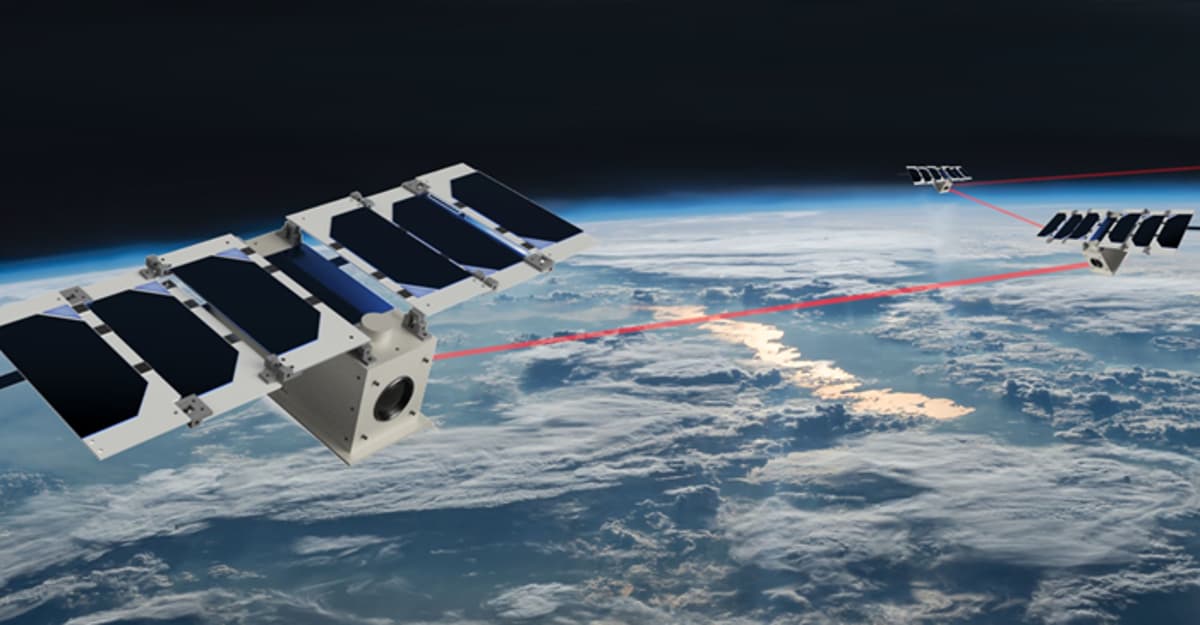
WISeKey Deployments Expand Low-Earth Orbit Cybersecurity Constellation via SpaceX Rideshare
Why It Matters
The launch demonstrates a scalable, space‑based cybersecurity layer that protects critical infrastructure from future quantum threats, giving enterprises and governments a sovereign alternative to terrestrial networks.
Key Takeaways
- •WISeSat 4.0 adds 21st LEO satellite to WISeKey fleet
- •QS7001 chip enables on‑orbit post‑quantum cryptography
- •SEALCOIN.AI wallets allow machine‑to‑machine transactions in space
- •Quantum Spatial Orbital Cloud targets 100 satellites by 2033
- •SEALSQ provides 99.9% uptime SLA for enterprise quantum services
Pulse Analysis
WISeKey International Holding Ltd completed the orbital insertion of its WISeSat 4.0 satellite on June 12, 2026, marking the 21st spacecraft launched by its subsidiary WISeSat.Space. The payload rode SpaceX’s Transporter‑16 rideshare from Vandenberg, joining a growing low‑Earth‑orbit (LEO) fleet that the company plans to refresh every five years. By staggering hardware upgrades through 2026‑27, WISeKey ensures continuous service availability while leveraging the cost efficiencies of shared launch opportunities. The move underscores the increasing convergence of space infrastructure and cybersecurity, positioning the firm as a pioneer in satellite‑based digital‑identity services.
At the heart of WISeSat 4.0 is the QS7001 secure microcontroller, a post‑quantum‑ready chip developed by SEALSQ Corp. Integrated directly with WISeKey’s hardware‑embedded Root of Trust, the chip runs quantum‑resistant algorithms that protect data streams from future decryption attacks, a critical capability for defense, energy and logistics networks. The satellite also hosts the first on‑orbit deployment of SEALCOIN.AI digital wallets, enabling machine‑to‑machine settlements and device‑to‑device tokenization without terrestrial relays. This on‑board cryptographic stack creates a tamper‑proof verification layer that can authenticate edge devices in real time, dramatically reducing latency and exposure to ground‑based threats.
WISeKey’s Quantum Spatial Orbital Cloud (QSOC) separates physical satellite provision from cloud services, mirroring the model of terrestrial hyperscale data centers. WISeSat acts as the infrastructure provider, handling bus design, launch logistics and ground‑station links, while SEALSQ delivers subscription‑based quantum key distribution, 99.9 % uptime service‑level agreements and the SEALCOIN ecosystem to enterprise and government clients. The long‑term roadmap targets a sovereign 100‑satellite constellation by 2033, offering a sovereign, end‑to‑end security network that is independent of traditional telecom providers. As regulators and corporations seek quantum‑safe communications, WISeKey’s hybrid approach could set a new standard for secure, space‑enabled digital services.
WISeKey Deployments Expand Low-Earth Orbit Cybersecurity Constellation via SpaceX Rideshare
Comments
Want to join the conversation?
Loading comments...