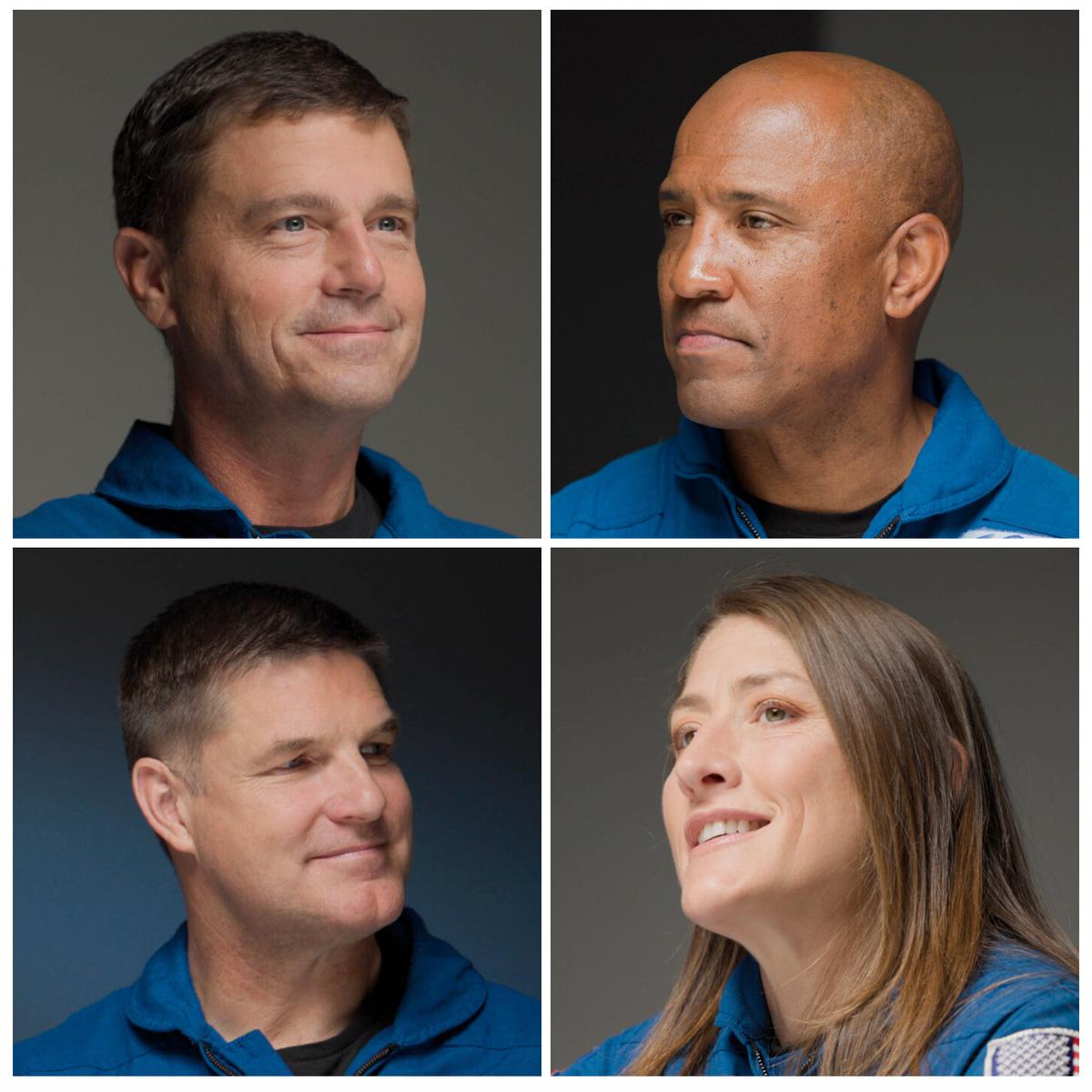
Your Kids Asked the Artemis Astronauts Questions. They Answered.
Companies Mentioned
Why It Matters
The dialogue humanizes deep‑space exploration, reinforcing public enthusiasm and justifying continued federal investment in NASA’s Artemis program. It also showcases how spaceflight experiences can inspire the next generation of scientists and engineers.
Key Takeaways
- •Artemis II crew spent 10 days orbiting the moon, including far side
- •Astronauts described Earth’s fragility, boosting public support for space funding
- •Space food includes broccoli au gratin, tortillas, and Nutella‑crepe desserts
- •Kids’ questions highlighted public curiosity about daily life and ethics of exploration
Pulse Analysis
Artemis II marked a pivotal step for NASA’s return to lunar exploration, delivering the first crewed flight to orbit the moon since Apollo. The four‑person team—two Americans, a Canadian and a European—spent ten days in the Orion capsule, performing scientific observations on the near and far sides of the lunar surface. Their flight tested critical navigation, communications, and life‑support systems that will underpin the upcoming Artemis III landing, while also gathering high‑resolution imagery of craters such as Vavilov and the Orientale basin. The mission’s success demonstrates the viability of sustained deep‑space operations and reinforces the United States’ leadership in the emerging lunar economy.
The interview format, driven by questions submitted by children, turned a technical debrief into an accessible story about everyday life in space. Astronauts described how they prepared meals—broccoli au gratin, tortillas, and a Nutella‑crepe‑like dessert—using limited water and heat, and explained waste management with a suction‑fan toilet system. By addressing curiosities about sleeping, floating, and even the possibility of soda, the crew demystified microgravity, making the experience relatable for a younger audience. This outreach strategy not only fuels STEM interest but also builds a broader constituency that values the intangible benefits of space exploration.
Beyond education, the mission’s emotional resonance—crew members reflecting on Earth’s fragility and naming a crater after Wiseman’s late wife—highlights the cultural and philosophical dimensions of space travel. Such narratives can translate into political capital, supporting the billions of dollars earmarked for Artemis and future lunar habitats. Moreover, technologies refined on Artemis II, from advanced food packaging to closed‑loop waste systems, have downstream applications in healthcare, agriculture, and disaster relief. As the public internalizes the awe and practical gains of the mission, pressure mounts for sustained funding, ensuring that the Artemis program continues to drive innovation and inspire the next generation of explorers.
Your Kids Asked the Artemis Astronauts Questions. They Answered.
Comments
Want to join the conversation?
Loading comments...