Intel Reports $13.6B in Revenues, up 7% for Q1 2026
Companies Mentioned
Why It Matters
The results signal Intel’s resurgence in the AI‑driven silicon market, validating its manufacturing investments and positioning it as a key cloud and enterprise CPU supplier. Strong guidance and new product rollouts could shift market share back from rivals Nvidia and AMD.
Key Takeaways
- •Q1 revenue $13.6B, up 7% YoY, beating $12.43B estimate
- •Intel forecasts Q2 revenue $13.8‑$14.8B, GAAP EPS 8 cents
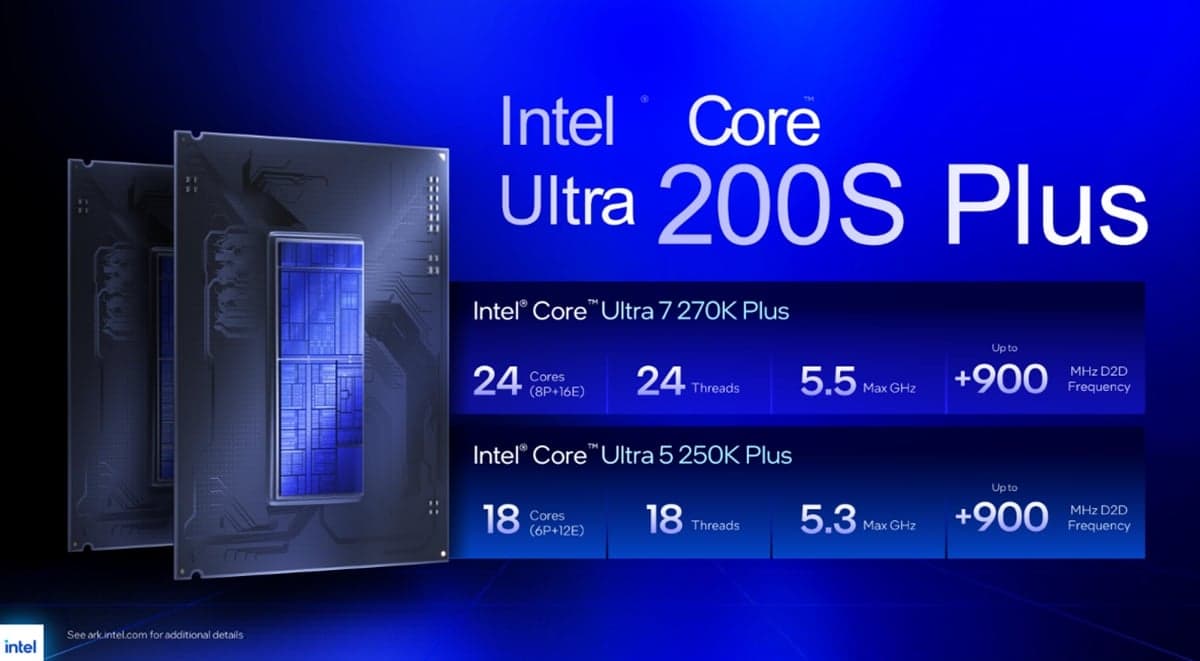
- •New Xeon 600 and Core Ultra processors launched for AI workloads
- •Intel‑Google multiyear deal expands Xeon usage in cloud instances
- •Foundry revenue rises as Intel rolls out 18A process
Pulse Analysis
Intel’s first‑quarter earnings illustrate a turning point for the chipmaker as it re‑engages the fast‑growing AI market. Revenue rose 7% to $13.6 billion, comfortably beating consensus forecasts, while non‑GAAP earnings per share reached $0.29. Although the company posted a GAAP loss, the improved top line reflects higher demand for CPUs that can handle inference workloads and the early benefits of Intel’s 18A manufacturing node. Analysts see the earnings beat as evidence that Intel’s strategic reset—focusing on advanced packaging and a revitalized foundry business—is beginning to pay off.
The product rollout reinforces Intel’s AI ambitions. The Xeon 600 series targets data‑center and workstation customers, while the Core Ultra 200S/200HX and Core Series 2/3 chips bring 18A performance and longer battery life to desktops, laptops, and edge devices in health‑care and life‑science applications. A multiyear partnership with Google expands the use of Xeon processors in Google’s C4 and N4 cloud instances, giving Intel a foothold in high‑performance cloud workloads. Simultaneously, Intel’s involvement in the Terafab project alongside SpaceX, xAI and Tesla showcases its capability to design, fabricate, and package ultra‑high‑performance chips at scale, further differentiating its offering from rivals.
Looking ahead, Intel projects Q2 revenue between $13.8 billion and $14.8 billion and GAAP EPS of 8 cents, signaling confidence in sustained demand. The guidance incorporates higher gross margins of roughly 39%, driven by the premium pricing of advanced‑node products and growing foundry services. However, the company must navigate goodwill impairments from its Mobileye unit and the broader PC market slowdown. If Intel can maintain supply chain resilience—evidenced by expanded assembly capacity in Penang and the repurchase of its stake in Fab 34—it could capture a larger slice of AI‑centric workloads, pressuring Nvidia and AMD and reshaping the competitive landscape.
Intel reports $13.6B in revenues, up 7% for Q1 2026
Comments
Want to join the conversation?
Loading comments...