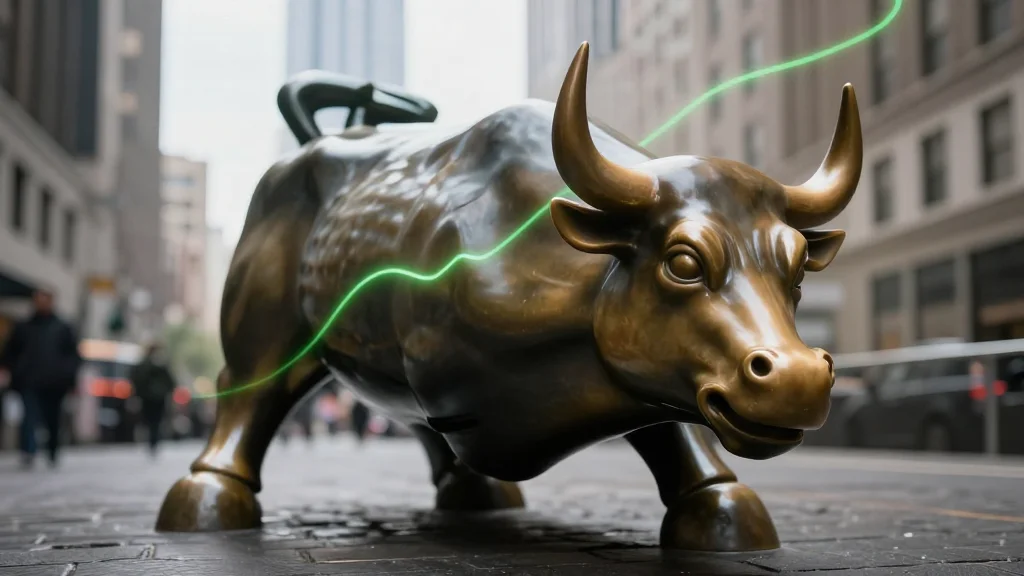
S&P 500 Pulls Back 0.9% as Traders Hedge Amid Rising Bond Yields

Why It Matters
The S&P 500’s pullback highlights the delicate balance between strong corporate earnings and macro‑economic headwinds. As bond yields climb, the cost of capital rises, compressing equity valuations and prompting investors to hedge more aggressively. This dynamic is reshaping short‑term trading strategies, with options becoming a primary tool for risk management. If yields continue to ascend, the equity rally could face repeated interruptions, forcing traders to rely on technical support levels and volatility‑based income strategies. Conversely, a stabilization of rates could restore confidence in the rally’s sustainability, reinforcing the bullish narrative that has driven record‑setting performance this year.
Key Takeaways
- •S&P 500 fell 0.92% to 7,432.03, breaking above‑7,500 streak
- •30‑year Treasury yield hit 5.12%, highest since 2007
- •Trader Kilburg executed a $720/$700 put spread, netting $325 per contract
- •VIX rose 6%, pushing option premiums higher
- •Russell 2000 dropped 2.31%, indicating broader market pressure
Pulse Analysis
The recent pullback serves as a stress test for the equity rally that has been powered by an unprecedented earnings surge. While the S&P 500’s 27% YoY earnings growth dwarfs the long‑term average, the market’s reliance on low‑rate financing is now being challenged. Historically, periods where long‑term yields breach the 5% mark have coincided with sharp equity corrections, as investors reprice risk and shift toward fixed‑income assets. The current environment mirrors the early 2000s, when the Fed’s tightening cycle forced a reevaluation of high‑multiple tech stocks.
In this context, the surge in options activity is not merely a defensive maneuver; it reflects a broader shift toward income‑generating strategies in a volatile backdrop. The put spread described by Kilburg captures premium while limiting downside, a template that could become more prevalent as traders seek to monetize elevated VIX levels. However, the effectiveness of such hedges hinges on the market’s ability to stay above key support zones. Should yields climb further—pushing the 10‑year above 4.6%—the cost of equity financing could rise enough to erode the rally’s momentum, prompting a wave of stop‑loss orders and deeper corrections.
Looking forward, the interplay between upcoming corporate earnings and the Federal Reserve’s policy stance will dictate the rally’s trajectory. Strong earnings could offset rate concerns, sustaining investor optimism. Conversely, any indication of a more aggressive tightening path would likely accelerate the shift toward defensive positioning, reinforcing the importance of technical analysis and options hedging in short‑term trading playbooks.
S&P 500 Pulls Back 0.9% as Traders Hedge Amid Rising Bond Yields
Comments
Want to join the conversation?
Loading comments...