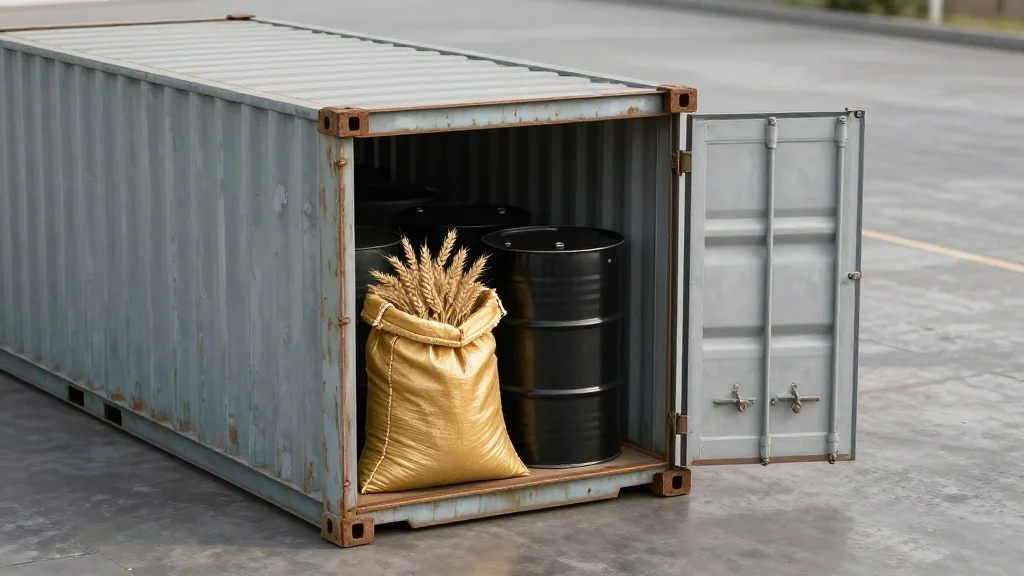
A Mad Max World Emerges
Key Takeaways
- •Middle East conflict curtails Strait of Hormuz shipping.
- •Nations intensify domestic energy, food security measures.
- •14th‑century crisis mirrors today’s trade barriers.
- •Export bans fuel social unrest and conflict.
- •Protectionism may reshape global market dynamics.
Pulse Analysis
The renewed hostilities in the Middle East have once again turned the Strait of Hormuz into a chokepoint for global energy flows. As naval escorts become more frequent and insurance premiums rise, oil tankers face longer routes and higher costs, pressuring the price of crude on international exchanges. Simultaneously, disruptions to container traffic impede the movement of essential commodities, from fertilizers to grain, amplifying concerns over supply chain resilience. Companies that rely on just‑in‑time logistics are scrambling to diversify routes or secure alternative sources to mitigate the emerging volatility.
History offers a stark reminder that scarcity often triggers protectionist reflexes. During the 14th‑century crisis, Europe witnessed a cascade of export bans on grain, soaring food prices, and widespread civil unrest that fueled wars over resources. Those medieval policies, though primitive, illustrate how trade restrictions can quickly spiral into broader conflict. Modern policymakers are echoing that playbook, imposing export controls on strategic minerals and energy products to safeguard domestic markets. The parallel underscores the timeless link between resource insecurity and geopolitical tension.
For investors and corporate strategists, the emerging “Mad Max” scenario signals a shift toward regional self‑sufficiency and heightened geopolitical risk premiums. Energy firms may accelerate investments in domestic refining capacity, while agribusinesses could prioritize local sourcing to hedge against export bans. Financial markets are likely to price in higher volatility for commodities tied to the Hormuz corridor, and insurers may tighten coverage terms for maritime shipments. Decision‑makers who incorporate these dynamics into risk assessments will be better positioned to navigate the evolving landscape of global trade and security.
A Mad Max world emerges
Comments
Want to join the conversation?