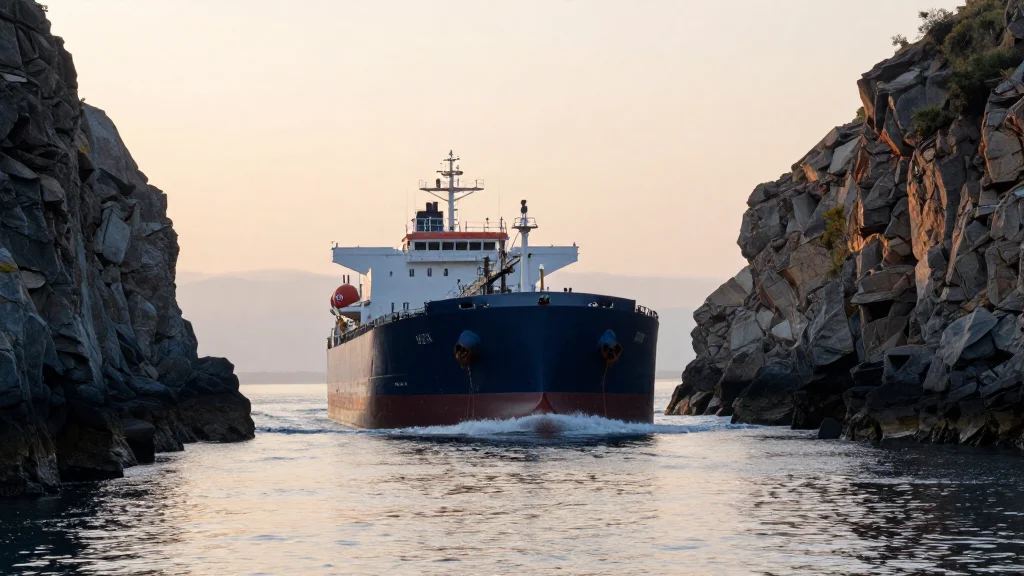
Denial Vs. Control in the Strait of Hormuz
Key Takeaways
- •Traffic slowed, not stopped, due to narrow geography
- •Denial tactics limited by physical constraints of the strait
- •Elevated risk raises oil price volatility
- •Control measures more feasible than outright blockage
- •Geopolitical tension could shift shipping routes
Pulse Analysis
The Strait of Hormuz remains a chokepoint for roughly 20% of global oil trade, funneling crude through a corridor only a few nautical miles wide. Recent missile strikes and drone attacks have underscored the vulnerability of vessels that must hug the narrow transit lanes, forcing captains to adopt slower speeds and heightened vigilance. This geographic bottleneck, rather than any formal embargo, dictates the pace of maritime traffic and amplifies the market’s sensitivity to even minor incidents.
Strategic analysts differentiate between "denial"—the attempt to completely block passage—and "control," which accepts limited flow while managing risk. In Hormuz, denial is impractical; the sheer volume of tankers and the strait’s physical dimensions make a total shutdown untenable without massive naval deployment. Control, however, leverages surveillance, escort vessels, and diplomatic pressure to mitigate threats while keeping oil moving. This nuanced approach influences how regional powers allocate naval assets and negotiate security arrangements.
Looking ahead, sustained disruptions could incentivize shippers to explore alternative routes such as the Cape of Good Hope or to increase reliance on strategic petroleum reserves. Energy markets would likely react with price spikes, prompting policymakers to reassess contingency plans and invest in maritime security infrastructure. Ultimately, recognizing the strait’s geographic limits and focusing on control mechanisms will be crucial for maintaining global energy flow amid ongoing geopolitical tension.
Denial Vs. Control in the Strait of Hormuz
Comments
Want to join the conversation?