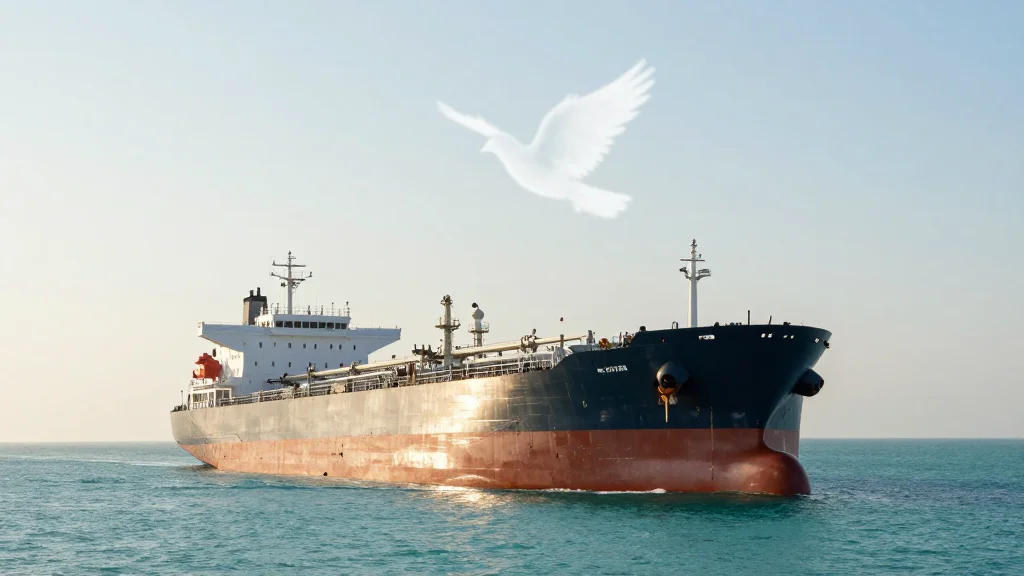
Energy Cliff, Supply Chain Shock: The Toxic Cocktail Behind The Urgent Push For An Iran Deal
Key Takeaways
- •U.S.-Iran MoU aims to reopen Strait of Hormuz for oil tankers
- •Strategic petroleum reserves fell to ~20 million barrels, lowest since 2014
- •Supply Chain Stress Index hit 2.9 standard deviations, highest since May 2022
- •Rising shipping costs risk transmitting energy shock into broader goods inflation
- •If unresolved, scenario could trigger stagflation and pressure emerging markets
Pulse Analysis
The interim U.S.-Iran memorandum of understanding marks a geopolitical turning point for global energy logistics. By restoring tanker flow through the Hormuz chokepoint, the deal directly addresses the "energy cliff" scenario that U.S. officials warned could materialize within weeks as strategic petroleum reserves dwindle. Cushing’s stockpiles, now hovering just above 20 million barrels, represent the lowest buffer in over a decade, leaving the market vulnerable to any further supply disruptions. This precarious inventory position has amplified calls for swift diplomatic action, underscoring how geopolitical stability remains a linchpin for oil market equilibrium.
Beyond crude, the conflict’s ripple effects are reshaping the broader supply‑chain landscape. UBS’s Global Supply Chain Stress Index, now at 2.9 standard deviations, signals stress levels not seen since the pandemic’s early days. The index aggregates metrics such as seaborne oil volumes, cargo transit times, and freight rates, all of which have deteriorated as Hormuz bottlenecks persisted. Shipping costs across major benchmarks—Baltic, Harper Petersen, Drewry, and Freightos—have risen sharply in May and June, translating into higher landed costs for a wide array of goods. This escalation threatens to push inflationary pressures beyond energy, feeding into consumer price indices worldwide.
The convergence of dwindling SPRs and mounting logistics strain creates a fertile ground for stagflation—a scenario where rising prices coincide with stagnant growth. Companies face margin compression as input costs climb, while consumers grapple with higher prices for essentials. Emerging markets, already sensitive to commodity price swings, could see capital outflows and currency depreciation. Central banks may be forced into a dilemma: tighten policy to combat inflation or ease it to support growth. The Hormuz normalization, therefore, is not merely a maritime issue but a critical lever to stabilize the global economy and prevent a cascading recessionary cascade.
Energy Cliff, Supply Chain Shock: The Toxic Cocktail Behind The Urgent Push For An Iran Deal
Comments
Want to join the conversation?