How Iran’s Speedboat Doctrine Could Redraw Shipping Risk Worldwide
Key Takeaways
- •Iran used coordinated speedboat swarms to seize two container vessels
- •Doctrine demonstrates low-cost, high-impact maritime coercion
- •Similar tactics could threaten chokepoints like Malacca and Gulf of Guinea
- •Insurers may raise premiums for routes near contested straits
- •Navies must adapt with counter‑drone and fast‑boat detection systems
Pulse Analysis
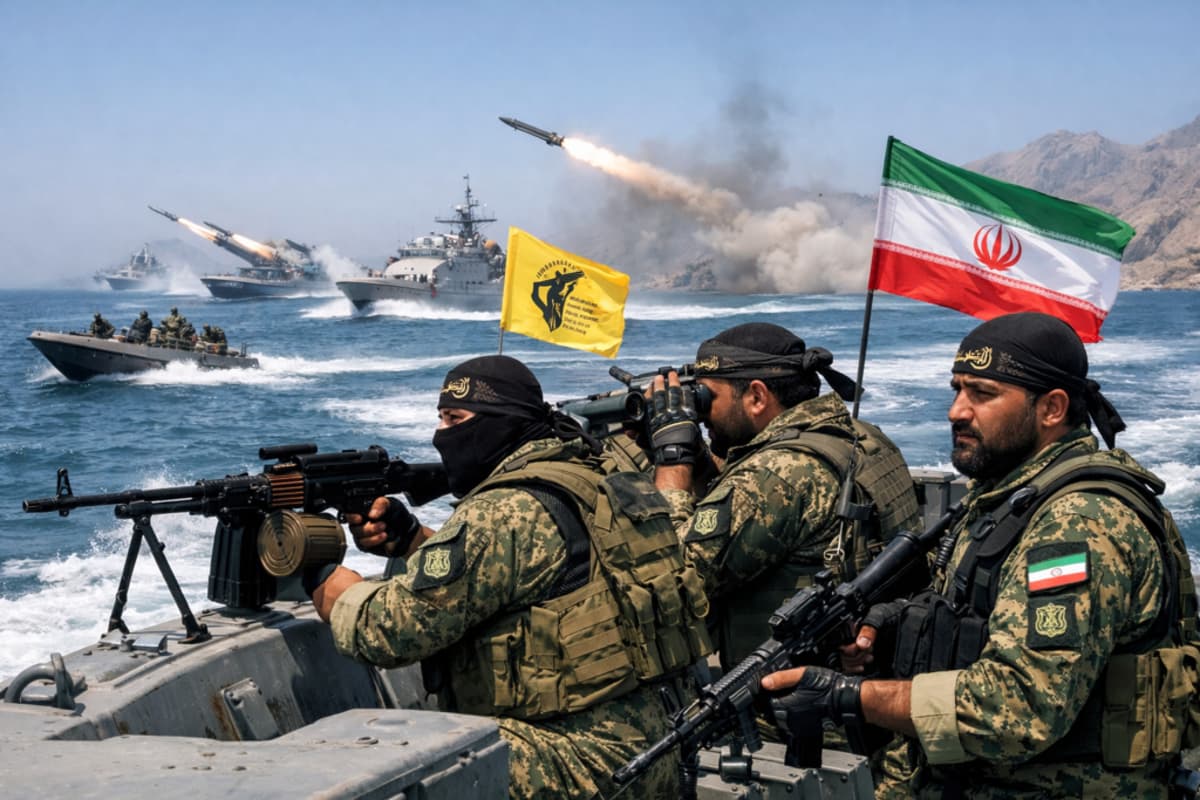
Iran’s recent seizure of two container ships in the Hormuz Strait highlighted a new maritime threat model: the speedboat doctrine. By deploying swarms of fast, armed boats, Iran was able to overwhelm standard vessel defenses without resorting to larger warships or missiles. The tactic leverages cheap, readily available craft and sophisticated coordination, making it an attractive playbook for state and non‑state actors seeking to disrupt global trade without a massive financial outlay.
The implications for global shipping are profound. Major chokepoints such as the Malacca Strait, the Suez Canal approaches, and the Gulf of Guinea already face security challenges; a proven speedboat template could amplify those risks. Insurers are likely to reassess premium structures, while shippers may reroute cargoes, adding transit time and cost. The doctrine also forces a rethink of risk‑assessment models that have traditionally focused on piracy and state‑level naval blockades, now needing to incorporate low‑tech, high‑frequency attacks.
In response, navies and private security firms must invest in rapid detection and neutralization technologies, including radar‑enhanced drones, acoustic sensors, and automated weapon systems capable of engaging small, fast targets. International cooperation will be essential to share intelligence on speedboat tactics and to develop standardized rules of engagement. Ultimately, the shipping industry’s resilience will depend on adapting both operational procedures and strategic policy to counter this emerging, cost‑effective form of maritime coercion.
How Iran’s speedboat doctrine could redraw shipping risk worldwide
Comments
Want to join the conversation?