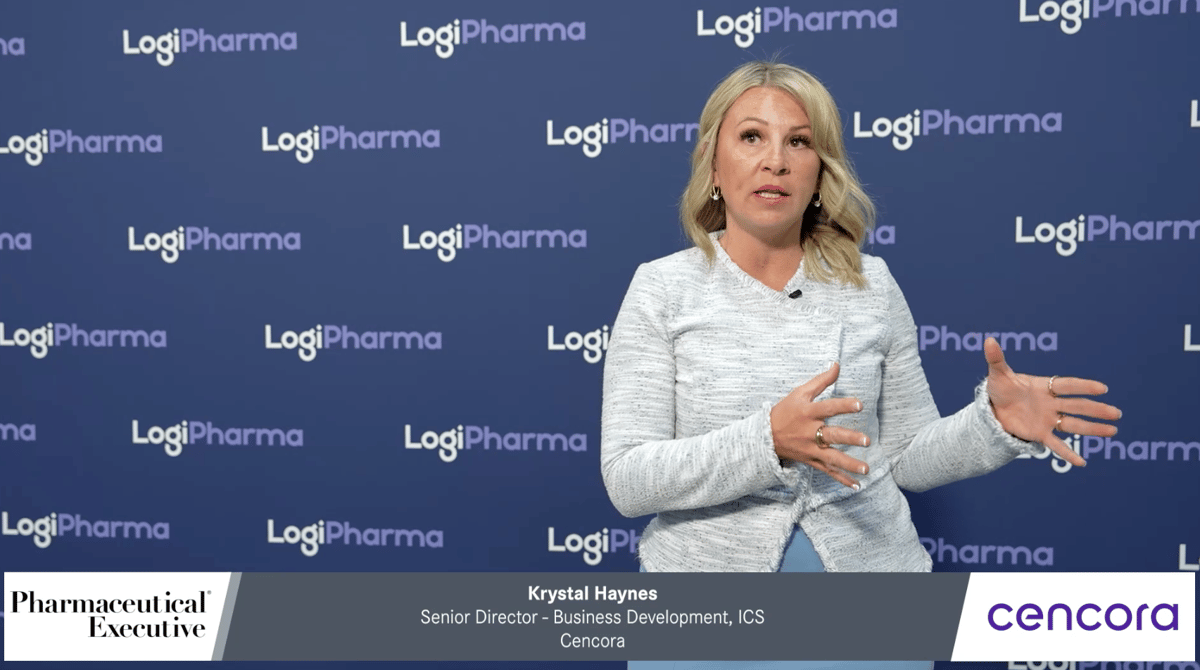
Understanding Supply Chain Constraints to Enable Growth for Cell & Gene Therapies
Key Takeaways
- •Only 3% of 4,000 pipeline therapies achieve FDA/EMA approval.
- •Prices range $100k‑$3M per treatment, lacking global reimbursement standards.
- •Cold‑chain logistics and serialization are critical regulatory hurdles.
- •Cencora operates in 100 countries with over 1,100 offices.
- •Early manufacturer engagement shortens regulatory and supply‑chain timelines.
Pulse Analysis
The cell and gene therapy sector is on the cusp of a paradigm shift, with more than 4,000 candidates in development but a stark 3 % success rate in reaching FDA or EMA approval. These treatments promise curative outcomes for rare diseases, yet their price tags—often between $100,000 and $3 million per dose—place them among the most expensive medical interventions ever created. Investors and biotech firms are therefore under pressure to prove not only clinical efficacy but also a viable path to market access.
Reimbursement emerges as the most formidable obstacle, because no universal framework exists to fund one‑time, high‑cost therapies. In the United States, private insurers negotiate value‑based contracts, while Medicare grapples with legislative caps; Europe relies on nation‑by‑nation health technology assessments, and emerging markets often depend on government subsidies or out‑of‑pocket payments. This patchwork creates pricing uncertainty, delays launch timelines, and can deter investors from committing capital to late‑stage trials. Consequently, manufacturers must design flexible payer strategies that accommodate divergent budgetary constraints and outcome‑based payment models.
Logistics and regulatory compliance add a second layer of complexity that third‑party providers are uniquely positioned to solve. Cold‑chain integrity, serialization, and labeling requirements demand a globally coordinated network, something Cencora delivers through operations in 100 countries and more than 1,100 offices. By engaging manufacturers early, the company can map FDA labeling exemptions, pre‑position temperature‑controlled containers, and streamline customs clearance, thereby compressing the time from clinical trial to commercial launch. As the pipeline matures, such integrated supply‑chain solutions will become a decisive competitive advantage for biotech firms seeking rapid, cost‑effective market entry.
Understanding Supply Chain Constraints to Enable Growth for Cell & Gene Therapies
Comments
Want to join the conversation?