Xi Wants Strait of Hormuz Opened; NDRC Head on Security and Development; Cake Order Leads to Huge Fines; Solar Industry Involution Persists; Manus Deal
Key Takeaways
- •Xi urged immediate ceasefire and normal Strait of Hormuz traffic.
- •China frames its stance as supporting diplomatic dispute resolution.
- •Saudi Crown Prince praised China as responsible major power.
- •Coordination between Beijing and Riyadh could stabilize regional oil flow.
- •Beijing’s position signals deeper involvement in Middle Eastern security.
Pulse Analysis
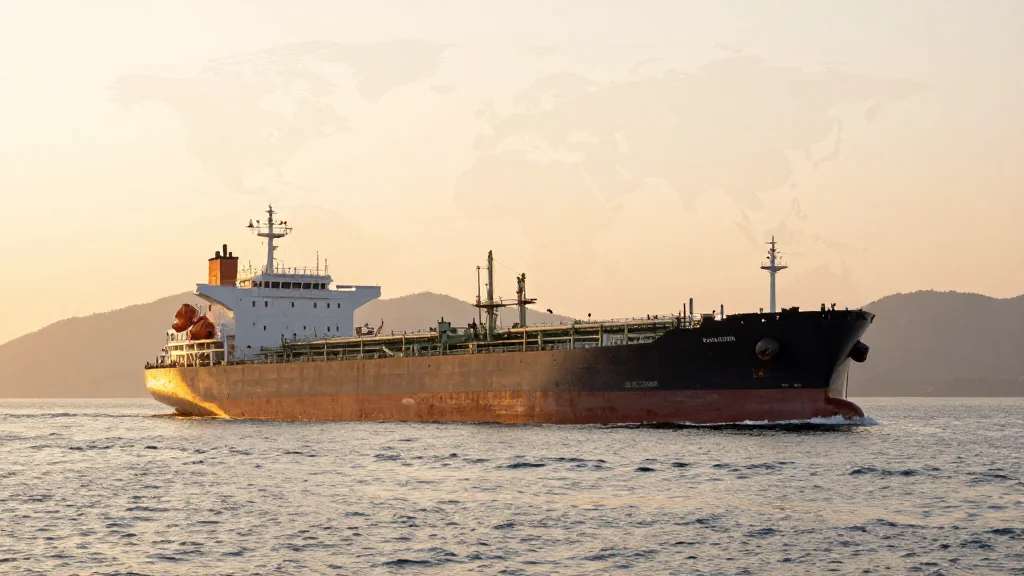
The Strait of Hormuz, a 21‑mile waterway linking the Persian Gulf to the Arabian Sea, handles roughly a third of the world’s oil exports. Recent flare‑ups between Iran and its regional rivals have raised fears of disruptions that could spike global energy prices. In a Monday call with Saudi Crown Prince Mohammed bin Salman, President Xi Jinping reiterated China’s call for an immediate, comprehensive ceasefire and stressed that normal passage through the strait serves the common interests of regional states and the international community. By publicly championing uninterrupted shipping, Beijing positions itself as a stabilizing voice in a volatile arena.
Energy analysts see China’s diplomatic overture as more than rhetoric; the nation imports about $400 billion of oil annually, much of it transiting the Hormuz corridor. A disruption would pressure Chinese refiners and elevate import costs, potentially prompting Beijing to leverage its growing ties with Saudi Arabia to secure alternative supply routes. By aligning with Riyadh on security matters, China not only safeguards its own energy security but also cultivates influence over a market that traditionally falls under U.S. and Western sway. The message is clear: stability in the strait is a strategic priority for Beijing’s economy.
The call underscores a broader shift in China‑Saudi relations, which have deepened through energy, technology and Belt‑and‑Road projects. As Washington’s influence in the Gulf faces challenges, Beijing’s willingness to engage on security issues signals a potential rebalancing of alliances. Observers caution that while China can advocate for open shipping, its capacity to enforce peace remains limited; nevertheless, its diplomatic clout may encourage regional actors to pursue dialogue over confrontation, shaping the future of Middle Eastern geopolitics.
Xi wants Strait of Hormuz opened; NDRC head on security and development; Cake order leads to huge fines; Solar industry involution persists; Manus deal
Comments
Want to join the conversation?