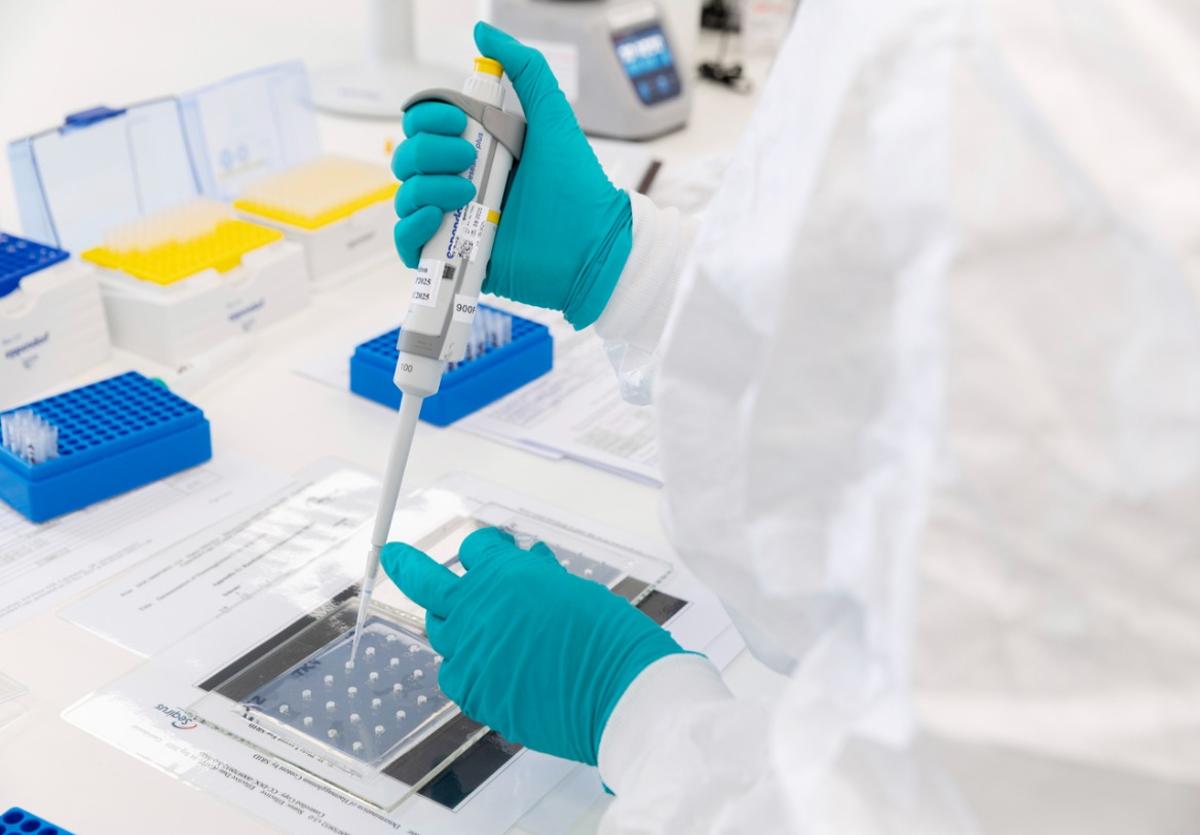
Advanced Vaccine Manufacturing in Australia to Supply Canada with 15 Million Pandemic Doses
•March 6, 2026
0
Why It Matters
The deal bolsters Canada’s pandemic readiness while highlighting Australia’s growing role in high‑tech vaccine manufacturing, a critical factor for global health security.
Key Takeaways
- •CSL Seqirus to supply 15M pandemic flu doses to Canada.
- •Vaccine produced at Tullamarine’s digital-enabled, cell‑based facility.
- •Facility can scale to 150M doses in first wave.
- •Contract boosts Canada’s pandemic preparedness and bilateral ties.
- •Cell‑based tech reduces material reliance, speeds vaccine development.
Pulse Analysis
The partnership between CSL Seqirus and Canada’s Public Health Agency reflects a broader strategic pivot toward advanced, cell‑based vaccine platforms. Unlike traditional egg‑derived methods, cell‑based manufacturing shortens lead times and mitigates supply chain bottlenecks, offering a more resilient response to emerging influenza threats. By locking in 15 million pandemic doses, Canada secures a rapid‑deployment option that aligns with its national preparedness roadmap, while CSL Seqirus gains a foothold in the North American market, reinforcing its global pandemic‑response network.
CSL Seqirus’ Tullamarine plant, inaugurated in 2025, is a digitally enabled hub that integrates real‑time data analytics, modular bioreactors, and automated quality controls. These capabilities allow the facility to surge from routine seasonal production to a massive first‑wave output of over 150 million doses, supporting both domestic needs and export commitments. The site underpins an estimated A$300 million annual supply‑chain contribution and employs hundreds of specialised workers, underscoring the economic ripple effects of high‑tech biomanufacturing in regional Australia.
Beyond the immediate contract, the agreement signals a deepening of Commonwealth health collaboration and a market trend toward flexible, scalable vaccine solutions. As governments worldwide reassess pandemic‑risk portfolios, cell‑based technologies are gaining favor for their speed, reduced reliance on scarce inputs, and adaptability to novel strains. For CSL Seqirus, the Canadian deal not only diversifies its revenue base but also validates its investment in next‑generation platforms, positioning the company as a key supplier in future global health emergencies.
Advanced vaccine manufacturing in Australia to supply Canada with 15 million pandemic doses
0
Comments
Want to join the conversation?
Loading comments...