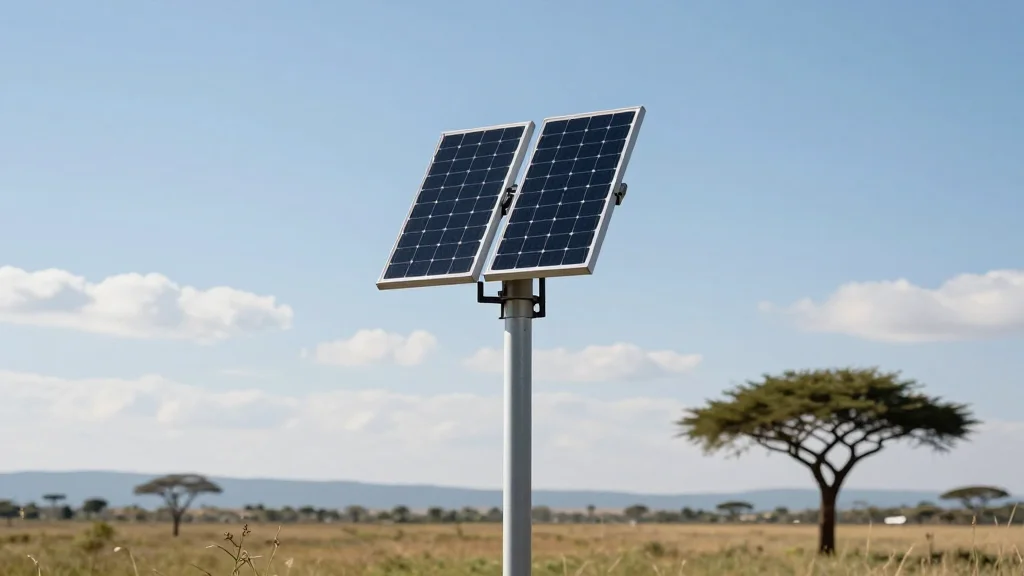
Atlas Tower Kenya Invests $52.5M in Solar Towers as Africa Shifts Telecom Power to Renewables

Companies Mentioned
Why It Matters
The move from diesel to solar power transforms the telecom supply chain by reducing dependence on imported fuel, lowering operating expenses, and mitigating climate impact. For African economies, where energy costs can dominate tower economics, solar adoption promises to free capital for network expansion and digital inclusion. Moreover, the shift creates new market opportunities for renewable‑energy manufacturers and service providers, while pressuring traditional diesel distributors to diversify. By stabilizing power sources, operators can deliver more reliable connectivity, a critical enabler for sectors such as finance, health and education. The broader rollout of solar‑powered towers also aligns with global climate commitments, positioning Africa’s telecom industry as a leader in sustainable infrastructure.
Key Takeaways
- •Atlas Tower Kenya invests $52.5 million to build 300 solar‑powered towers, raising its solar‑powered share to 82 % of 500 sites.
- •Energy accounts for up to 60 % of operating costs for off‑grid towers; diesel price spikes have added 5 % to Vodacom Africa’s energy spend, reaching $300 million in 2025.
- •Nigeria’s diesel price rose up to 200 % after subsidy removal, driving $400 million annual tower‑fuel costs.
- •Safaricom raised $153.6 million in green bonds to fund solar conversions.
- •iSAT Africa CEO Rakesh Kukreja says solar towers will cut telecom emissions and improve network resilience.
Pulse Analysis
The rapid pivot to solar power in Africa’s telecom sector reflects a convergence of cost pressure, climate ambition and supply‑chain risk. Historically, diesel generators were the default off‑grid solution because of their reliability and the lack of grid infrastructure. However, the recent diesel price shock—exacerbated by geopolitical tensions—has exposed the fragility of that model. Operators now see solar not just as an environmental add‑on but as a cost‑saving imperative.
Financial markets are responding. Green bond issuances, like Safaricom’s $153.6 million tranche, demonstrate investor appetite for climate‑linked telecom projects. This capital influx reduces the upfront cost barrier that once slowed solar adoption. At the same time, the emergence of hybrid financing—combining debt, equity and pay‑as‑you‑go models—lowers risk for both operators and financiers.
From a competitive standpoint, early adopters such as Atlas Tower Kenya gain a dual advantage: lower OPEX and a differentiated service offering that can attract enterprise customers seeking sustainable connectivity. Conversely, firms that lag may face higher fuel‑related expenses and potential regulatory penalties as African governments tighten emissions standards. The next inflection point will likely be policy‑driven, with subsidies for renewable energy equipment and stricter diesel usage caps accelerating the transition. In the medium term, the telecom supply chain will increasingly resemble a renewable‑energy ecosystem, reshaping vendor relationships, logistics networks and even the skill sets required to maintain tower infrastructure.
Atlas Tower Kenya invests $52.5M in solar towers as Africa shifts telecom power to renewables
Comments
Want to join the conversation?
Loading comments...