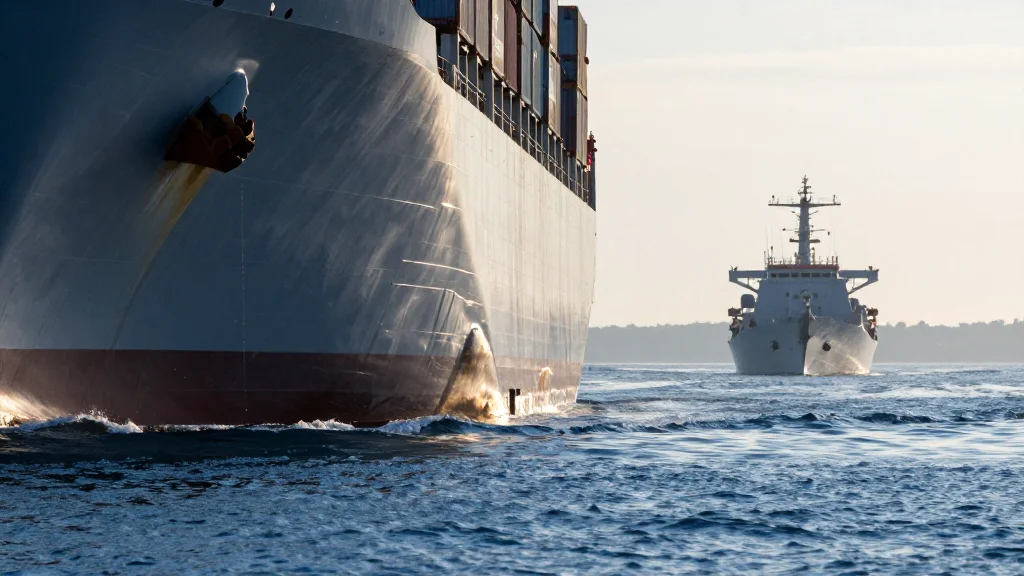
Braw in Future on the Risk to Seafarers in the Strait of Hormuz
Why It Matters
The Strait of Hormuz handles roughly 20% of global oil shipments; any disruption directly impacts energy prices and supply chain stability worldwide.
Key Takeaways
- •Geopolitical tension raises vessel‑security threats
- •Mine risks push insurance premiums higher
- •Alternative routes add days and fuel costs
- •NATO patrols mitigate but not eliminate danger
Pulse Analysis
The Strait of Hormuz remains a strategic artery for global energy markets, funneling an estimated 20 percent of the world’s oil and a substantial share of liquefied natural gas. Recent escalations between regional powers, coupled with Iran’s demonstrated capability to deploy naval mines, have revived concerns that date back to the early 2000s. Shipping firms now face a volatile risk environment where a single incident can trigger a cascade of rerouting decisions, port delays, and market volatility.
For seafarers, the heightened threat translates into tangible safety challenges. Mine‑laying operations, small‑boat attacks, and the possibility of missile strikes create a hazardous operating theater that demands heightened vigilance and specialized training. Insurers have responded by tightening coverage terms and raising premiums, often by double‑digit percentages, to compensate for the elevated peril. Crews also confront psychological stress, as the prospect of hostile engagement looms over routine voyages, prompting calls for better onboard support and emergency response protocols.
The broader commercial impact is equally pronounced. Companies rerouting around the Arabian Sea add up to 1,500 nautical miles per trip, inflating fuel consumption and extending delivery timelines. These added costs ripple through supply chains, influencing commodity prices and prompting shippers to explore longer‑term solutions such as diversified sourcing or investment in alternative energy transport methods. Policymakers and NATO allies are therefore urged to deepen joint patrols, enhance real‑time threat intelligence, and pursue diplomatic avenues that reduce the likelihood of conflict in this critical waterway.
Braw in Future on the risk to seafarers in the Strait of Hormuz
Comments
Want to join the conversation?
Loading comments...