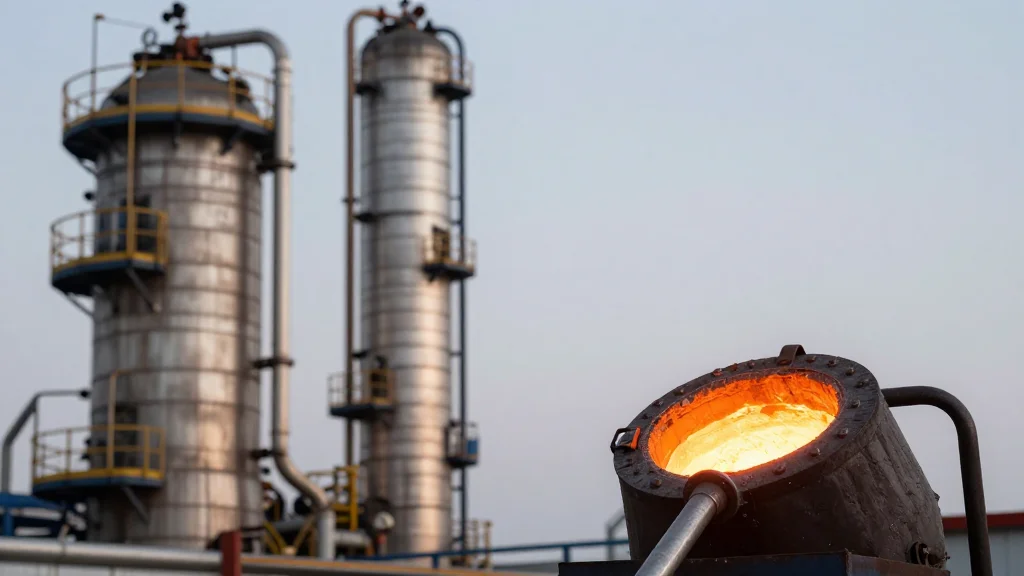
China Slashes Fuel Output, Boosts Aluminum as Gulf War Tightens Markets

Why It Matters
China's decision to curb fuel processing while expanding aluminum output directly influences global commodity flows. As the world's biggest oil importer, any reduction in Chinese demand tightens global fuel markets, pushing up prices for transport and manufacturing. At the same time, the aluminum boost helps alleviate a shortage that has driven up costs for sectors ranging from automotive to renewable energy, potentially stabilizing prices for downstream users. The moves also illustrate how geopolitical flashpoints—here, the Persian Gulf war—can cascade through supply chains far beyond the immediate region. Companies worldwide must now factor Chinese policy responses into their risk models, adjusting inventory strategies, sourcing decisions, and pricing forecasts to accommodate a more volatile commodity environment.
Key Takeaways
- •Chinese refiners cut crude‑oil run rates in March to conserve supplies amid Gulf war.
- •Aluminum smelters increased output to exploit record margins and fill a global shortfall.
- •Fuel cut could remove several hundred thousand barrels per day from global supply, tightening markets.
- •Higher aluminum availability may ease price pressure for automotive, aerospace, and packaging sectors.
- •China's policy shift ties Middle‑East geopolitical risk directly to worldwide supply‑chain dynamics.
Pulse Analysis
China's twin‑track approach—tightening fuel supplies while expanding aluminum—reflects a calculated balancing act between safeguarding energy security and capturing profit opportunities in a volatile commodity landscape. Historically, Beijing has used output adjustments as a lever to manage domestic price stability; this time, the lever is being pulled in response to an external shock rather than internal demand fluctuations. The move underscores a growing willingness to let market signals dictate production decisions, especially when margins are unusually high.
For global supply chains, the implications are twofold. First, the fuel cut adds a new layer of risk for logistics firms that already face higher bunker costs due to the Gulf conflict. Second, the aluminum increase could act as a counterweight, providing a modest relief to industries that have been grappling with soaring metal prices. Companies that can quickly re‑route shipments or diversify their metal sourcing will be better positioned to navigate the squeeze.
Looking forward, the durability of these adjustments will hinge on the trajectory of the Gulf war and China's assessment of its own inventory buffers. If the conflict persists, further fuel curtailments are plausible, potentially prompting a cascade of price hikes across energy‑intensive sectors. Conversely, a swift de‑escalation could see China ramping up processing again, restoring equilibrium. Supply‑chain leaders should therefore embed scenario planning that accounts for rapid policy shifts in China, as well as the broader geopolitical currents that now more clearly dictate commodity flows.
China Slashes Fuel Output, Boosts Aluminum as Gulf War Tightens Markets
Comments
Want to join the conversation?
Loading comments...