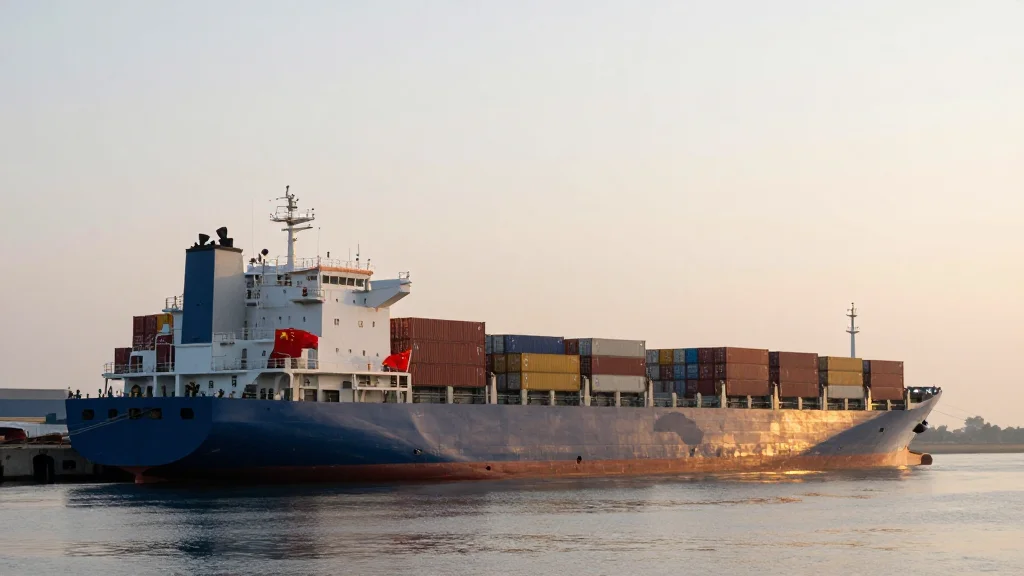
China’s Zero‑Tariff Policy Fuels African Export Surge at Zimbabwe Trade Fair

Why It Matters
The zero‑tariff policy could dramatically increase Africa’s share of Chinese imports, shifting the continent from a raw‑material supplier to a diversified exporter of finished goods and high‑value agriculture. By removing a major cost barrier, the move encourages manufacturers to scale up production, invest in quality standards, and integrate into global supply chains, potentially creating millions of jobs. For logistics providers, the policy triggers a surge in demand for efficient, cost‑effective transport solutions, prompting infrastructure upgrades and new service offerings. If successful, the initiative may also inspire similar trade‑facilitation measures with other major economies, reinforcing Africa’s strategic importance in global trade and prompting a re‑balancing of supply‑chain dependencies that have long favored Asia and Europe.
Key Takeaways
- •China will waive tariffs on goods from 53 African countries starting May 1.
- •Ethiopian firms expect higher export earnings, especially for coffee and leather goods.
- •Mozambican fruit exporters cite a price advantage that could boost avocado and lychee shipments.
- •Logistics firms anticipate a shift toward direct sea routes and expanded rail corridors.
- •Pilot shipments are slated to begin within weeks of the policy’s rollout.
Pulse Analysis
China’s zero‑tariff pledge is more than a diplomatic gesture; it is a market‑shaping lever that could recalibrate Africa’s export architecture. Historically, African trade with China has been dominated by raw commodities, constrained by high duties and complex compliance regimes. By stripping tariffs, Beijing effectively lowers the landed cost of African products, making them competitive against Southeast Asian manufacturers that have long benefited from similar concessions.
The immediate impact will be felt in sectors that can quickly meet Chinese quality standards—footwear, leather, coffee and high‑value fruit. Companies like Gelila Manufacturing and Linu Manufacturing are poised to upscale production, but scaling requires capital, skilled labor and reliable logistics. The policy therefore creates a virtuous cycle: higher demand spurs investment in factories and cold‑chain infrastructure, which in turn attracts further foreign direct investment into logistics hubs across East and Southern Africa.
However, the policy’s success hinges on execution. African exporters must navigate non‑tariff barriers, such as sanitary‑phytosanitary standards and certification processes, that can offset tariff savings. Moreover, the continent’s fragmented transport network risks creating bottlenecks that erode price competitiveness. Governments and private sector players must coordinate to upgrade ports, streamline customs, and expand rail links. If these supply‑chain gaps are addressed, China’s zero‑tariff policy could usher in a new era of African manufacturing, diversify export baskets, and reduce the continent’s reliance on commodity exports, reshaping global trade flows for years to come.
China’s Zero‑Tariff Policy Fuels African Export Surge at Zimbabwe Trade Fair
Comments
Want to join the conversation?
Loading comments...