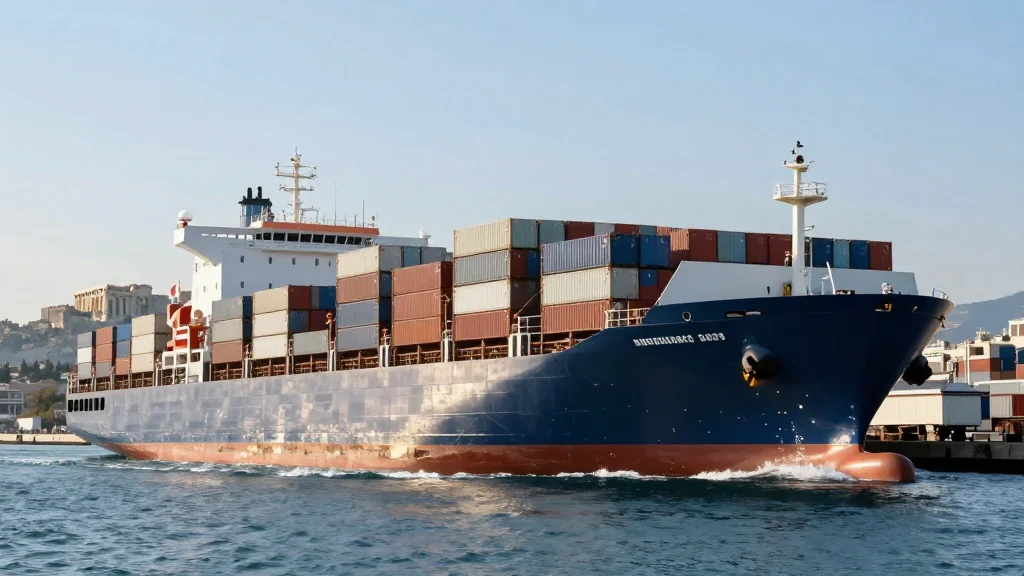
Dubai Shipping Hub Faces Talent Drain as Veterans Eye Greece Amid Middle‑East Conflict

Why It Matters
The potential relocation of seasoned maritime professionals from Dubai to Greece could reshape global shipping routes, affecting everything from oil deliveries to consumer goods supply chains. A weakened hub in the Gulf may force shippers to rely on longer, costlier paths, raising freight costs and delivery times for manufacturers and retailers worldwide. Moreover, the talent shift underscores how geopolitical flashpoints can quickly destabilize logistics ecosystems that were previously considered secure. Investors, insurers, and multinational corporations will need to reassess risk models that have long assumed Dubai’s uninterrupted connectivity.
Key Takeaways
- •Around 2,000 vessels are trapped in the Gulf due to US‑Iran blockades.
- •Breakwave Tanker Shipping ETF has risen 240% since the war began.
- •UAE oil exports have been cut by more than half amid the conflict.
- •Up to 30% of Dubai real‑estate agencies may close within six months.
- •Western maritime veterans are eyeing Greece and Cyprus for relocation.
Pulse Analysis
Dubai’s meteoric rise as a logistics hub over the past decade hinged on political stability, tax incentives, and world‑class infrastructure like Jebel Ali. The current geopolitical shock has exposed a structural vulnerability: over‑reliance on a single maritime corridor that can be severed by conflict. Historically, similar disruptions—such as the 2011 Libyan civil war—prompted a temporary shift toward Mediterranean ports, but Dubai’s diversified services and deep‑pocketed sovereign wealth funds allowed it to rebound. This time, the confluence of a prolonged blockade, halved oil revenues, and an exodus of skilled personnel may prove more corrosive.
From a competitive standpoint, Greece is uniquely positioned to capitalize. Its fleet already dominates the global tanker market, and its tax regime mirrors many of the incentives that once attracted firms to Dubai. If the talent pipeline flows southward, Greek ship‑owners could tighten their grip on chartering contracts, potentially driving up charter rates for competitors still anchored in the Gulf. Conversely, Dubai may double down on diversification, investing in non‑maritime sectors or seeking diplomatic avenues to reopen the Strait of Hormuz.
Looking ahead, the industry will monitor three key indicators: the duration of the vessel blockades, any policy response from the UAE government, and the speed at which expatriate talent secures positions in Greek or Cypriot firms. A swift resolution could see Dubai reclaim its hub status, but a protracted stalemate may accelerate a permanent re‑routing of global supply chains toward the Mediterranean, reshaping trade flows for years to come.
Dubai Shipping Hub Faces Talent Drain as Veterans Eye Greece Amid Middle‑East Conflict
Comments
Want to join the conversation?
Loading comments...