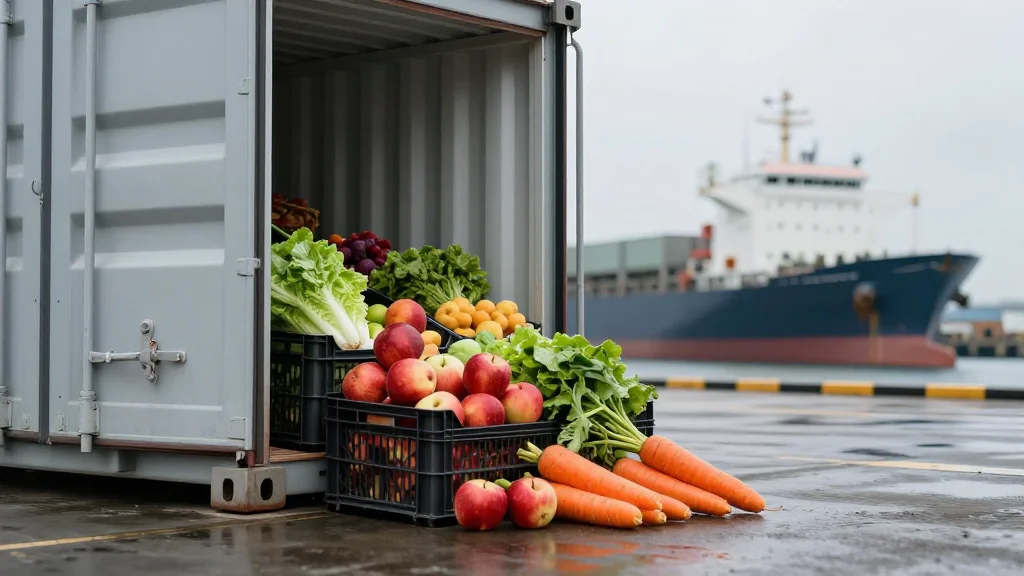
ERP Produce Shifts Sourcing to Europe and Africa as Middle East Conflict Spurs Fresh‑Produce Costs

Why It Matters
The ERP Produce pivot illustrates how geopolitical flashpoints can instantly reshape food‑supply networks, driving up costs for retailers and consumers across Europe. By moving sourcing closer to home, the company reduces exposure to volatile air‑cargo lanes but also transfers risk to agricultural production capacity and price stability in new regions. The surge in polymer prices highlights the interconnectedness of energy markets and food‑packaging costs, suggesting that future conflicts or energy shocks could reverberate through the entire fresh‑produce value chain. For policymakers, the episode underscores the need for diversified logistics infrastructure and strategic stockpiles of critical inputs like packaging resins. For investors, firms that have built flexible, multi‑regional sourcing platforms may outperform peers that remain heavily dependent on single‑point logistics corridors.
Key Takeaways
- •ERP Produce shifts sourcing to Europe and Africa after >50% drop in Europe‑Middle East air cargo capacity.
- •Spot polyethylene prices in Europe rose 70‑80% between Feb‑Apr 2026, inflating packaging costs.
- •Air‑freight disruptions add several euros per kilogram to retail price of herbs and greenhouse vegetables.
- •Company warns of 4‑6 months of continued market instability and backlogs across the supply chain.
- •Shift could boost market share for European and African growers while pressuring smaller distributors.
Pulse Analysis
The ERP Produce realignment is a textbook case of supply‑chain risk management under geopolitical stress. Historically, fresh‑produce logistics have leaned on Gulf‑linked air corridors for speed, but the current conflict has exposed the fragility of that model. By re‑routing to European and African farms, ERP Produce is not only cutting exposure to air‑cargo volatility but also tapping into a growing trend toward regionalization, which can lower carbon footprints and improve resilience.
However, the move is not without trade‑offs. European growers may face capacity constraints during peak seasons, while African exporters must scale quickly to meet quality and phytosanitary standards demanded by EU retailers. Moreover, the surge in polymer prices signals that any future energy shock—whether from conflict, policy shifts, or climate‑related supply cuts—could again ripple through packaging costs, eroding margins. Companies that invest in alternative, bio‑based packaging now could gain a competitive edge and reduce dependence on volatile petrochemical markets.
In the medium term, we expect to see a wave of similar sourcing diversifications across the broader food‑logistics sector, as firms seek to hedge against both geopolitical and climate‑driven disruptions. The key differentiator will be the ability to secure reliable, high‑quality produce from new regions while maintaining price competitiveness. ERP Produce’s early action positions it to capture market share, but the ultimate success will hinge on how quickly it can integrate new suppliers and manage the associated quality and regulatory challenges.
ERP Produce Shifts Sourcing to Europe and Africa as Middle East Conflict Spurs Fresh‑Produce Costs
Comments
Want to join the conversation?
Loading comments...