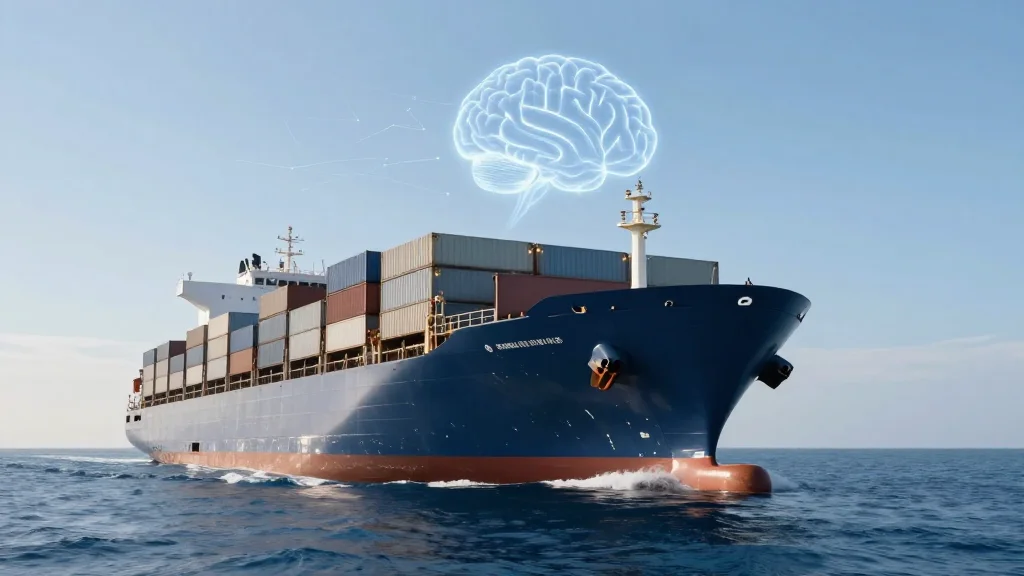
Fatigue the Hidden Factor in Shipping Casualties, Warn Researchers
Why It Matters
Unaddressed fatigue undermines vessel safety, inflating accident rates and insurance costs. Recognizing and managing crew exhaustion is essential for protecting lives, cargo, and the broader supply chain.
Key Takeaways
- •Fatigue contributes to majority of human-error maritime incidents
- •SSI study finds shift lengths exceed safe limits on many vessels
- •Current accident reporting omits fatigue data, skewing safety statistics
- •Regulators urged to mandate rest‑hour tracking for crew worldwide
- •Industry leaders cite crew wellbeing as emerging compliance priority
Pulse Analysis
Maritime fatigue has long lingered in the shadows of safety dashboards, but the Sustainable Shipping Initiative’s latest analysis forces it into the spotlight. The research shows that while human error is cited in over 80% of accident claims, the underlying cause—excessive work hours and insufficient sleep—is rarely documented. Traditional reporting frameworks focus on mechanical failures or navigation mistakes, leaving a data gap that masks the true scale of crew exhaustion. By quantifying fatigue’s role, the study provides a clearer picture of risk exposure across commercial fleets.
The findings arrive at a pivotal moment as regulators worldwide grapple with tightening safety standards. European and Asian maritime authorities are already piloting electronic fatigue monitoring systems that log watch schedules, biometric alerts, and rest‑period compliance. Such technology, combined with mandatory rest‑hour reporting, could transform how operators assess crew readiness and allocate resources. Industry groups, including the International Chamber of Shipping, are signaling support for standardized fatigue metrics, recognizing that proactive management can reduce costly downtime and insurance premiums.
Beyond compliance, addressing fatigue reshapes the broader supply chain narrative. Safer voyages translate into more reliable delivery timelines, protecting downstream manufacturers and retailers from disruptions. Moreover, a heightened focus on crew wellbeing aligns with ESG expectations, attracting investors who prioritize sustainable operations. As the sector embraces data‑driven fatigue mitigation, the hidden factor may soon become a measurable pillar of maritime safety, driving both economic efficiency and reputational gains.
Fatigue the hidden factor in shipping casualties, warn researchers
Comments
Want to join the conversation?
Loading comments...