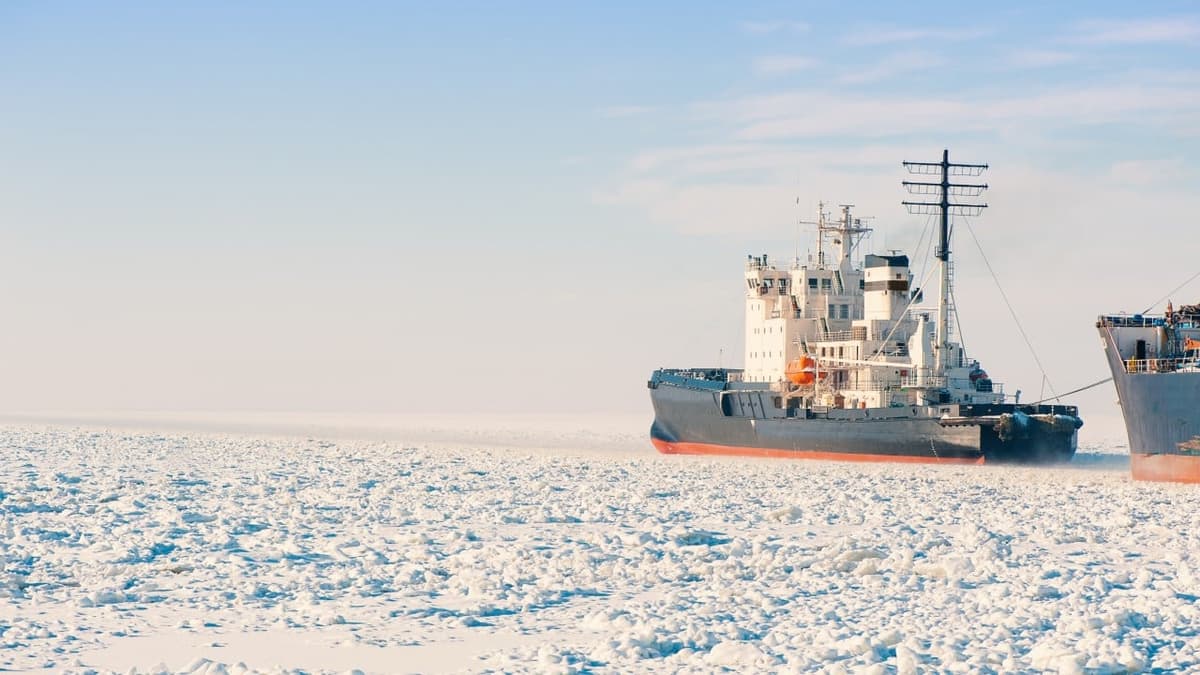
First China, Now South Korea: Why Asian Powers Are Turning to Commercial Arctic Shipping
Why It Matters
An operational Arctic route would give South Korean exporters a faster, more resilient link to Europe, reducing dependence on volatile Middle‑East chokepoints. The development also positions Seoul as a strategic player in the emerging Northern Sea Route market.
Key Takeaways
- •South Korea targets regular Arctic route to Europe by 2030.
- •Trial Busan‑Rotterdam voyage using 3,000‑TEU ship slated for late 2024.
- •Icebreaker fleet expansion aims to extend window to nine months by 2040.
- •Subsidies and port fee discounts will support commercial Arctic shipping.
- •Route could cut Europe‑Asia transit time to 18‑20 days, beating Suez.
Pulse Analysis
The recent upheaval in the Strait of Hormuz has forced many Asian economies to reassess their logistics strategies, and South Korea is now betting on the Arctic as a viable alternative. By leveraging the Northern Sea Route, Seoul hopes to bypass the geopolitical volatility that has throttled oil and gas flows through the Middle East. This shift reflects a broader trend where nations seek to diversify supply chains, reduce transit times, and hedge against future disruptions in traditional chokepoints.
South Korea’s maritime blueprint outlines a concrete timeline: a pilot container service from Busan to Rotterdam will launch in late 2024, followed by a full‑scale commercial line by 2030. The government will back the venture with targeted subsidies, reduced port fees, and a concerted push to expand its icebreaker fleet, aiming to lengthen the navigable season from three‑four months to as much as nine months by 2040. Training polar experts and deepening cooperation with Arctic stakeholders are also on the agenda, ensuring the country builds the human capital needed for sustained operations.
If the trial proves successful, the Arctic corridor could compress Europe‑Asia transit to 18‑20 days, a stark improvement over the 40‑day Suez passage and the 50‑day Cape route. Such a time advantage would enhance the competitiveness of South Korean manufacturers and shipping firms, while also positioning the nation as a key conduit in the emerging Arctic trade network. However, the initiative must navigate environmental concerns, regulatory complexities, and the high cost of ice‑class vessels, making government support and international collaboration critical to its long‑term viability.
First China, now South Korea: why Asian powers are turning to commercial Arctic shipping
Comments
Want to join the conversation?
Loading comments...