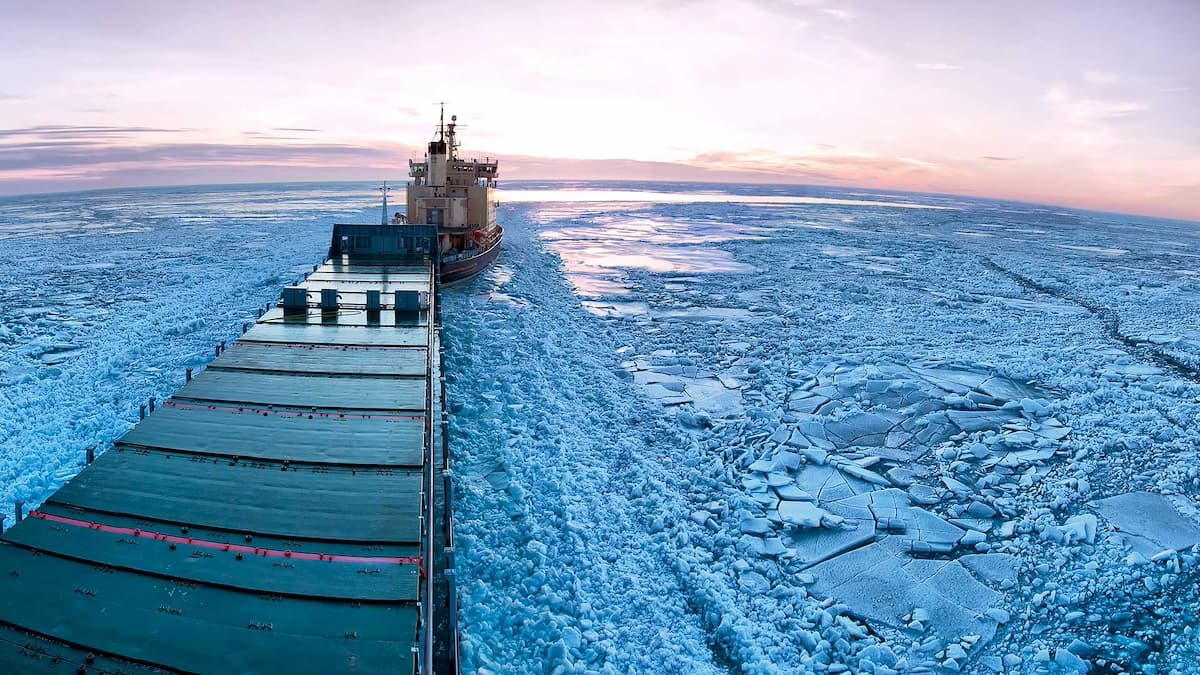
Hormuz Crisis Heats up Asia’s Arctic Scramble
Why It Matters
Diversifying supply through the Arctic reduces geopolitical risk for Asian economies and redefines the strategic geography that underpins global trade and energy security.
Key Takeaways
- •Hormuz crisis exposed over‑reliance on a single chokepoint for Asian oil
- •Japan and China have built Arctic infrastructure, securing northern supply routes
- •Northern Sea Route cuts Asia‑Europe shipping distance by up to 40%
- •Southeast Asian importers face higher risk premiums as Gulf routes lose relevance
- •Russia controls the emerging Arctic energy corridor, becoming Asia’s key supplier
Pulse Analysis
The May‑2024 closure of the Strait of Hormuz laid bare a structural flaw in Asian energy logistics: more than 80 % of the region’s crude passes through a single, politically vulnerable chokepoint. When the Oman‑flagged tanker Voyager arrived in Japan from Russia’s Sakhalin instead of the Gulf, analysts recognized a deliberate bypass of Hormuz, signaling that Asian capitals are already testing alternative north‑bound routes. The episode has accelerated a decade‑long pivot toward the Arctic, turning a seasonal curiosity into a core component of energy security planning.
Japan’s 2018 Third Basic Plan on Ocean Policy and China’s 2018 declaration as a near‑Arctic state illustrate how both economies have been building the necessary icebreakers, ports and research assets for years. 2 million tons of cargo. Melting ice and the Hormuz disruption have turned these modest figures into a rapidly scaling commercial corridor that can supply crude, LNG and dry bulk. The strategic calculus of the Indo‑Pacific is now being rewritten as the Arctic becomes a co‑equal theater.
Russia, as the owner of the northern resource belt, stands to profit from leasing transit rights, while Japan and China leverage their early investments to secure supply and influence. Conversely, Southeast Asian importers such as the Philippines and Indonesia face higher risk premiums and limited alternatives, exposing a new vulnerability in their energy mix. Policymakers who continue to focus solely on southern chokepoints risk basing decisions on an obsolete map, while those embracing the Indo‑Arctic‑Pacific will shape the next decade’s trade and security architecture.
Hormuz crisis heats up Asia’s Arctic scramble
Comments
Want to join the conversation?
Loading comments...