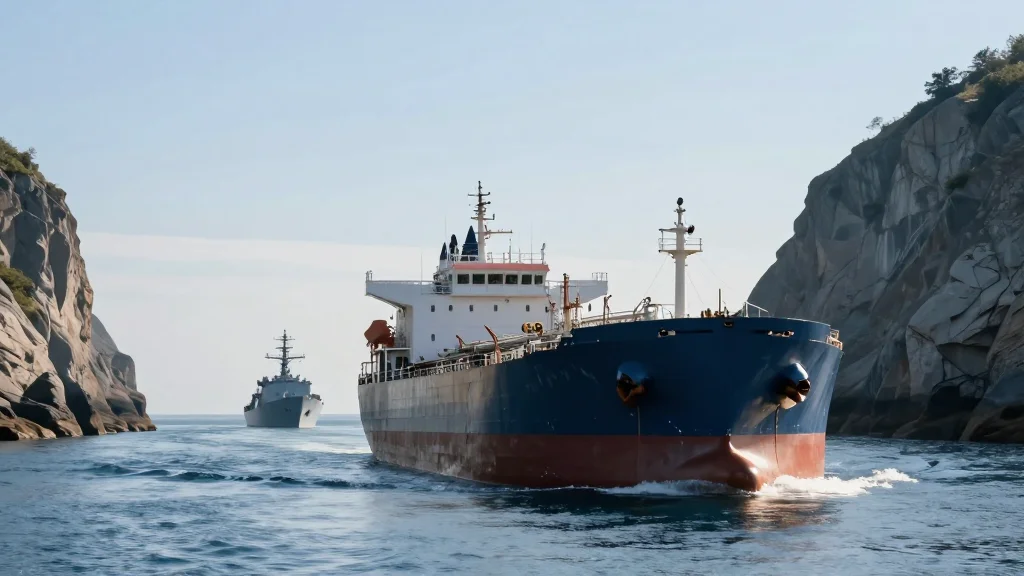
Hormuz Standoff Disrupts Traffic, Lifts War Risk Insurance Rates
Companies Mentioned
Why It Matters
The disruption threatens global oil supply chains and raises shipping costs, while higher war‑risk premiums increase freight expenses for energy traders.
Key Takeaways
- •Only three vessels moved in 12 hours, vs 130 daily norm
- •War‑risk insurance rose to ~3% of ship value, up from 2%
- •Oil prices climbed ~5% amid cease‑fire doubts
- •U.S. seized Iranian cargo ship, prompting Iran’s warning shots
- •India added three Russian insurers for marine coverage
Pulse Analysis
The Strait of Hormuz remains one of the world’s most critical chokepoints, funneling roughly a fifth of global oil shipments each day. Over the weekend, Iran fired warning shots at commercial vessels and the United States seized an Iranian cargo ship, prompting captains to reroute or pause. Ship‑tracking data showed a stark drop to just three transits in a 12‑hour span, a fraction of the typical 130 daily movements, underscoring how quickly geopolitical flashpoints can choke maritime traffic.
The sudden slowdown sent ripples through energy markets. Oil prices jumped about 5% on Monday as traders priced in the risk of a prolonged closure. Simultaneously, war‑risk insurance premiums, which had briefly slipped after a Friday announcement that the strait was open, rebounded to roughly 3% of a vessel’s value, up from 2%. Those higher premiums translate directly into higher freight costs for oil shippers, squeezing margins for refiners and potentially feeding through to consumer gasoline prices.
Beyond immediate market effects, the episode highlights broader strategic tensions. The U.S. administration’s temporary waiver on Russian oil sanctions aimed to temper soaring prices, yet the waiver’s expiration and Iran’s retaliatory posture keep the region volatile. India’s decision to recognize three additional Russian insurers for marine cover reflects its pragmatic approach to securing oil imports amid sanctions uncertainty. Until a durable diplomatic resolution emerges, the Hormuz corridor will likely remain a price‑sensitive, risk‑laden artery for global energy trade.
Hormuz standoff disrupts traffic, lifts war risk insurance rates
Comments
Want to join the conversation?
Loading comments...