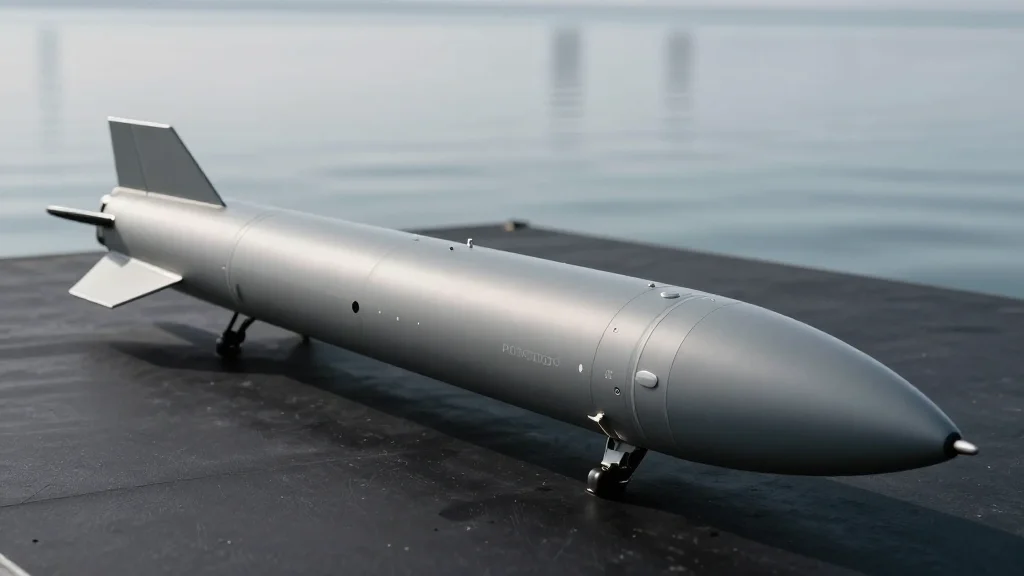
Iran and the New Persian Gulf Equilibrium
Why It Matters
Iran’s new Gulf‑centric deterrence creates a permanent risk to the world’s most vital oil chokepoints, forcing energy markets and regional allies to reassess security and supply‑chain strategies.
Key Takeaways
- •Iran prioritizes rebuilding missile and drone factories for Hormuz leverage
- •Axis of Resistance failed to deter US/Israel, shifting focus to Gulf
- •Potential Houthi closure of Bab al‑Mandab adds Red Sea risk
- •GCC states face heightened security threats from Iran’s new deterrence strategy
Pulse Analysis
The June 2026 ceasefire between Tehran and Washington is less a peace pact than a tactical pause, with both sides testing limits through limited strikes and diplomatic signaling. Iran’s forward‑defence doctrine, once anchored in proxy groups like Hamas and Hezbollah, has proven ineffective at deterring U.S. and Israeli actions. Consequently, Tehran is re‑engineering its deterrence around the Strait of Hormuz, investing heavily in missile and drone production to retain the option of closing the waterway—a move that would instantly shock global oil markets and shipping routes.
For global traders, the strategic calculus has shifted from a focus on regional proxy wars to the very real prospect of chokepoint disruptions. A Hormuz shutdown would instantly curtail the flow of roughly 20 % of the world’s oil, spiking prices and forcing reroutes that add days and millions of dollars to freight costs. Compounding the risk, the Yemen‑based Houthis have threatened to block the Bab al‑Mandab, the Red Sea’s southern gateway, potentially creating a dual‑chokepoint scenario that could reverberate through European and Asian supply chains. Investors are already pricing in higher risk premiums for Gulf‑linked energy assets, and insurers are tightening coverage for vessels transiting the region.
The Gulf Cooperation Council faces an unprecedented security dilemma. With Iran signaling a willingness to target GCC petro‑monarchies, these states must balance diplomatic engagement with the United States against the need for autonomous defence capabilities. Washington’s indirect signaling through Qatar suggests a preference for de‑escalation, yet the underlying strategic incentives for Tehran remain unchanged. Regional actors are likely to accelerate missile defense deployments and diversify energy export routes, while multinational corporations will seek alternative logistics corridors to hedge against future closures. The new equilibrium, therefore, is not a temporary lull but a lasting re‑orientation of power that will shape Middle East geopolitics and global energy stability for years to come.
Iran and the new Persian Gulf equilibrium
Comments
Want to join the conversation?
Loading comments...