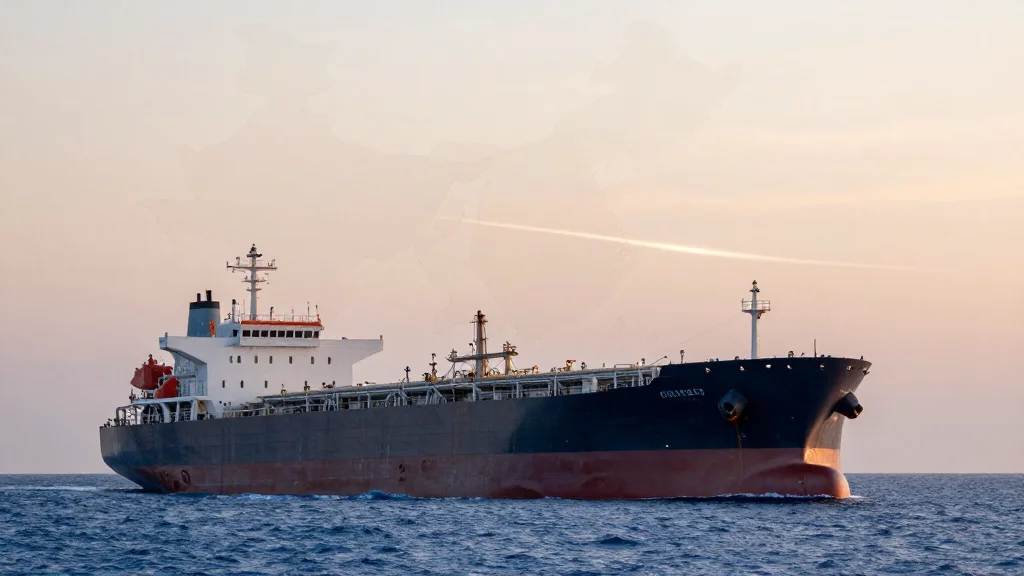
Iranian Crude Tanker Reroutes to China, Highlighting Shifts in Global Oil Supply Chain

Why It Matters
The rerouting of Iranian crude to China underscores how geopolitical tensions can instantly reshape energy supply chains, affecting pricing, freight costs, and market stability for both import‑dependent nations and exporters. For India, the loss of a potential new source of crude tightens its reliance on existing suppliers, while China’s ability to absorb diverted cargo reinforces its strategic leverage in global oil markets. Moreover, the incident highlights the growing importance of maritime surveillance and data analytics in supply‑chain risk management. Companies that can monitor AIS signals and anticipate route changes will be better positioned to mitigate disruptions, negotiate contracts, and adjust inventory strategies in an increasingly volatile geopolitical environment.
Key Takeaways
- •Eswatini‑flagged tanker Ping Shun changed destination from India’s Vadinar port to Dongying, China.
- •The cargo is Iranian crude, the first such shipment aimed at India in nearly seven years.
- •Reroute coincides with heightened sanctions on Iran and diplomatic talks over the Strait of Hormuz.
- •Brent crude rose 0.3% after the news, reflecting market sensitivity to supply‑chain shocks.
- •The incident emphasizes the need for real‑time maritime intelligence in global oil logistics.
Pulse Analysis
The Ping Shun’s sudden course correction is more than a single vessel’s decision; it signals a broader shift in how oil is routed amid geopolitical friction. Historically, Indian refiners have diversified their crude basket to hedge against supply shocks, but the re‑emergence of Iranian oil near Indian waters—only to be diverted—exposes the limits of that strategy when sanctions tighten. China’s willingness to absorb the cargo reflects its long‑term policy of building strategic reserves and maintaining a flexible import portfolio, a stance that could give it bargaining power in future negotiations over Iranian exports.
From a supply‑chain perspective, the episode illustrates the growing convergence of geopolitical risk and digital tracking tools. Companies that invest in AIS monitoring platforms can pre‑emptively adjust logistics, renegotiate freight contracts, or secure alternative discharge ports before a vessel’s cargo becomes stranded. This capability will likely become a competitive differentiator as the Strait of Hormuz remains a flashpoint for naval posturing and potential blockades.
Looking ahead, the reopening of the Strait—if achieved through diplomatic channels led by the United Kingdom and its allies—could restore a more predictable corridor for Iranian oil, easing freight cost pressures and stabilizing regional markets. Until then, shippers should expect continued volatility, with insurers likely to raise premiums for Iranian‑linked voyages and refiners diversifying away from high‑risk routes. The Ping Shun case is a cautionary tale that underscores the need for agile, data‑driven supply‑chain strategies in the energy sector.
Iranian Crude Tanker Reroutes to China, Highlighting Shifts in Global Oil Supply Chain
Comments
Want to join the conversation?
Loading comments...