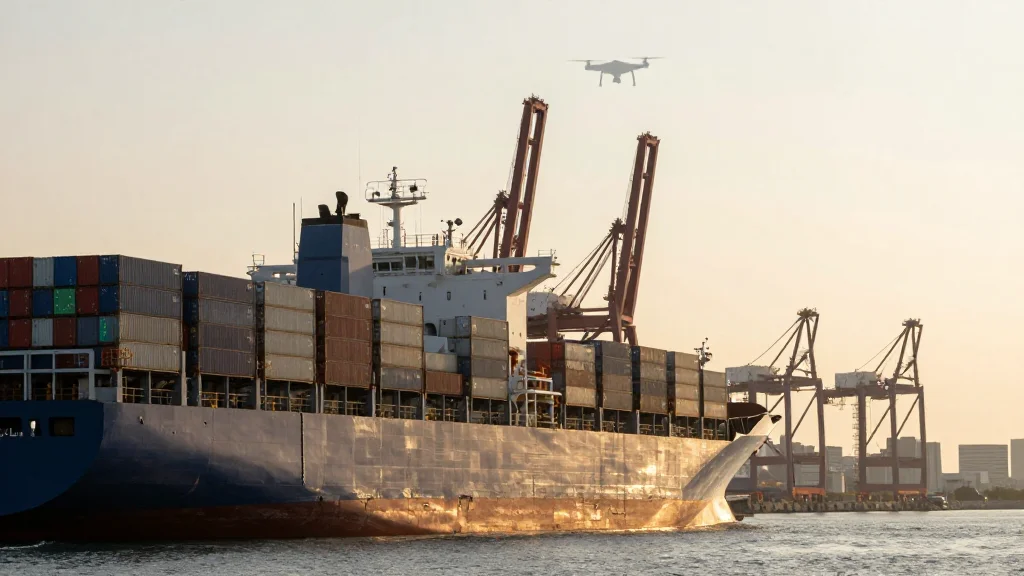
Iranian Drone Strikes Threaten UAE Petrochemical Hub, Prompting Raw‑Material Cost Concerns

Why It Matters
The disruption of Fujairah’s logistics hub threatens the steady flow of petrochemical feedstocks that underpin a wide array of industries, from automotive to consumer packaging. A slowdown in feedstock availability can inflate raw‑material costs, squeezing profit margins for manufacturers and potentially leading to higher prices for end‑consumers. Moreover, the incident illustrates how regional conflicts can quickly cascade into global supply‑chain vulnerabilities, prompting firms to reassess risk management and diversification strategies. For investors and policymakers, the episode serves as a reminder that geopolitical stability is a critical component of supply‑chain resilience. As the UAE seeks to reinforce its infrastructure and explore alternative routes, the broader market will watch for signals that could affect commodity pricing, trade flows, and the strategic positioning of petrochemical exporters worldwide.
Key Takeaways
- •Iranian drones struck Fujairah port and logistics facilities, exposing UAE’s petrochemical hub to risk.
- •UAE handles a large share of global petrochemical feedstock shipments, making disruptions potentially costly.
- •Analysts warn that even short‑term bottlenecks can lift spot prices for ethylene, propylene and related intermediates.
- •Insurance premiums for vessels in the Gulf are expected to rise as risk assessments tighten.
- •Manufacturers are advised to diversify sourcing and develop contingency plans amid ongoing regional tensions.
Pulse Analysis
The Fujairah incident underscores a classic supply‑chain dilemma: the trade‑off between cost efficiency and geopolitical risk. The UAE’s rise as a logistics hub was built on the premise of stable, low‑cost transit routes, but the recent drone attacks have shattered that assumption. Historically, similar shocks—such as the 2011 Libyan civil war—prompted a rapid reallocation of cargoes to alternative ports, temporarily inflating freight rates and commodity prices. In the current context, the petrochemical sector is especially vulnerable because feedstock contracts often lock in volumes and pricing over multi‑year horizons, leaving little flexibility when sudden supply gaps emerge.
From a competitive standpoint, firms that have already diversified their supply base—leveraging Asian, European and African ports—will weather the disruption more smoothly than those heavily reliant on Gulf transits. This could accelerate a broader industry shift toward multi‑modal logistics strategies, including increased rail and overland routes that bypass high‑risk maritime chokepoints. Additionally, the heightened insurance costs may erode the cost advantage that Gulf‑based petrochemical exporters traditionally enjoyed, potentially reshaping global trade patterns.
Looking forward, the key question is how quickly the UAE can restore confidence in its logistics network. Investments in hardened infrastructure, advanced surveillance, and diplomatic engagement with regional actors will be essential. Meanwhile, manufacturers should treat the current volatility as a catalyst to embed greater supply‑chain resilience—through inventory buffers, flexible sourcing contracts, and real‑time risk monitoring—into their operational playbooks. The next few months will reveal whether the UAE can re‑establish its status as a reliable petrochemical conduit or whether the industry will permanently recalibrate its trade routes.
Iranian Drone Strikes Threaten UAE Petrochemical Hub, Prompting Raw‑Material Cost Concerns
Comments
Want to join the conversation?
Loading comments...