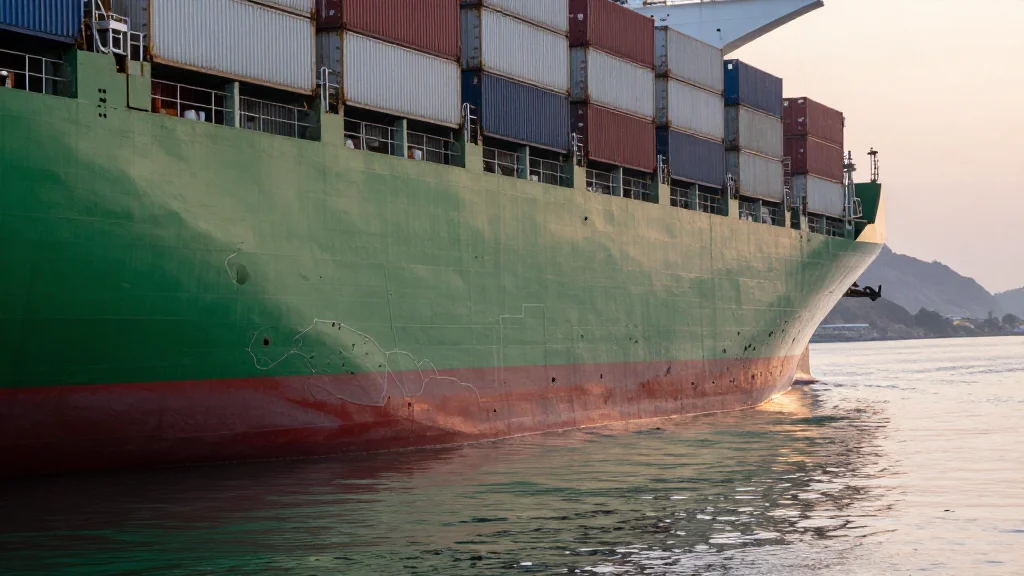
Iran’s FM Said Had Discussion with Oman on Ways to Ensure Safe Transit in Hormuz Strait
Why It Matters
Ensuring safe transit in Hormuz stabilizes global oil supply and lowers shipping insurance costs, directly affecting energy prices worldwide.
Key Takeaways
- •Iran and Oman held talks on Hormuz navigation safety
- •Oman positioned as neutral mediator in Gulf maritime disputes
- •Secure Strait of Hormuz reduces global oil price volatility
- •Shipping insurers monitor diplomatic talks for rate adjustments
- •Potential cooperation could ease broader Iran‑U.S. tensions
Pulse Analysis
The Strait of Hormuz, a 21‑mile-wide waterway linking the Persian Gulf to the Gulf of Oman, handles roughly 20% of the world’s petroleum trade. Any disruption—whether from geopolitical friction, accidental collisions, or piracy—can send shockwaves through global energy markets. Iran’s recent dialogue with Oman signals a pragmatic shift toward collaborative security, leveraging Oman’s long‑standing role as a diplomatic bridge between Tehran and the broader international community. By focusing on joint monitoring, communication protocols, and rapid response mechanisms, the two nations aim to mitigate the risk of incidents that could trigger price spikes.
Investors and commodity traders closely watch developments in Hormuz because even a brief closure can lift Brent crude by several dollars per barrel. The prospect of a coordinated safety framework may temper market anxieties, leading to narrower spreads in oil futures and lower premiums for maritime insurers. Moreover, Oman’s involvement offers a neutral platform for dialogue, potentially easing the broader strategic calculus between Iran and the United States. A stable transit route also benefits regional exporters, such as Saudi Arabia and the United Arab Emirates, whose economies are heavily tied to uninterrupted oil flows.
Looking ahead, the success of these discussions could pave the way for a more formalized trilateral arrangement that includes other Gulf Cooperation Council members and possibly the International Maritime Organization. Such an agreement would not only bolster confidence among shipping companies but also provide a diplomatic buffer that discourages aggressive posturing. For policymakers and investors, the key takeaway is that diplomatic engagement—especially with a trusted intermediary like Oman—remains a vital tool for preserving the free flow of energy resources and maintaining market stability.
Iran’s FM said had discussion with Oman on ways to ensure safe transit in Hormuz Strait
Comments
Want to join the conversation?
Loading comments...