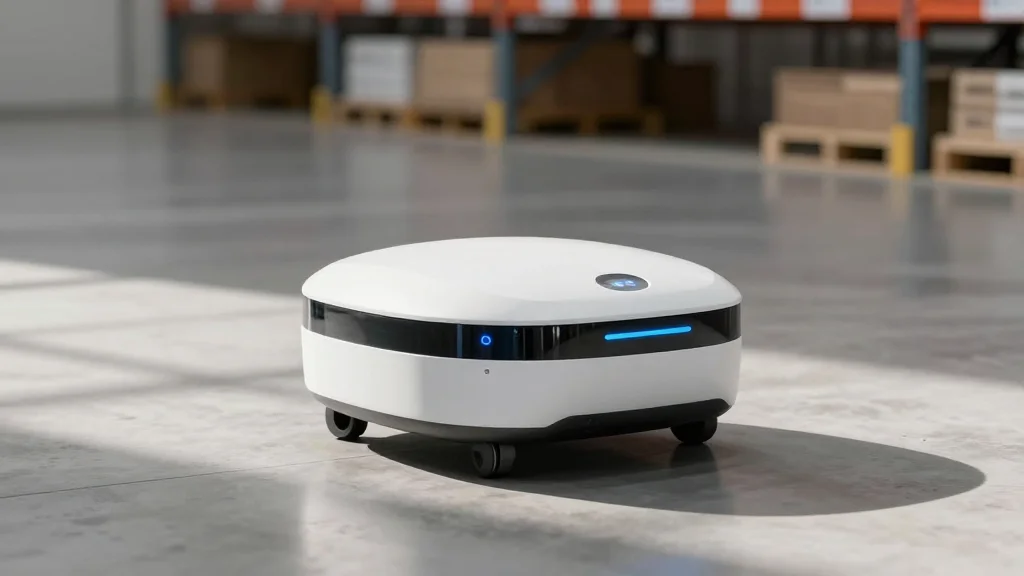
Modex 2026: Pulling It Together, Making It Work
Why It Matters
Scaling automation and orchestrating end‑to‑end solutions will directly impact supply‑chain resilience and cost structures, reshaping competitive dynamics in logistics. Companies that master integrated robotics and intelligent unitizing gain a decisive edge in a volatile market.
Key Takeaways
- •Warehouse operators are moving from pilots to scaled automation deployments
- •AI, vision, and AMRs enable collaborative human‑robot workflows
- •Rack systems must support higher density and integrate with robots
- •Advanced unitizing reduces freight costs and improves automation reliability
- •Leaders balance near‑term cost control with long‑term digital transformation
Pulse Analysis
The surge of activity at Modex 2026 underscores a pivotal shift in the logistics sector: automation is graduating from proof‑of‑concept to enterprise‑wide deployment. After years of isolated pilots, distributors are now investing in fleets of autonomous mobile robots (AMRs), high‑density automated storage and retrieval systems (AS/RS), and AI‑driven picking solutions. This transition is driven by the need to offset labor shortages, meet rising e‑commerce fulfillment expectations, and tighten margins amid economic headwinds. By integrating these technologies into a unified software stack, firms can achieve real‑time inventory visibility, predictive maintenance, and dynamic workload balancing, turning capital outlays into quantifiable productivity gains.
Beyond the robots, the show highlighted the enduring importance of physical infrastructure, particularly rack design. Modern racking must accommodate taller, denser storage while withstanding the stresses of rapid robot traffic and evolving seismic standards. Innovations such as modular, high‑strength steel frames and smart load‑monitoring sensors enable warehouses to push vertical limits without compromising safety. When rack systems are engineered to communicate with automation platforms, they become active participants in the fulfillment process, guiding robots to optimal pick locations and reducing travel time.
Finally, the spotlight on unitizing—stretch wrapping, hooding, and intelligent pallet building—reveals how low‑tech improvements still drive high‑impact results. New biodegradable films and data‑driven pallet sizing improve load stability, cut freight expenses, and minimize downtime for automated conveyors. As companies juggle cost pressures with the ambition of a lights‑out future, mastering these fundamentals ensures that sophisticated robotics operate on a reliable foundation. The convergence of integrated automation, robust rack architecture, and strategic unitizing positions the logistics industry to deliver faster, cheaper, and more resilient services in the years ahead.
Modex 2026: Pulling it together, making it work
Comments
Want to join the conversation?
Loading comments...