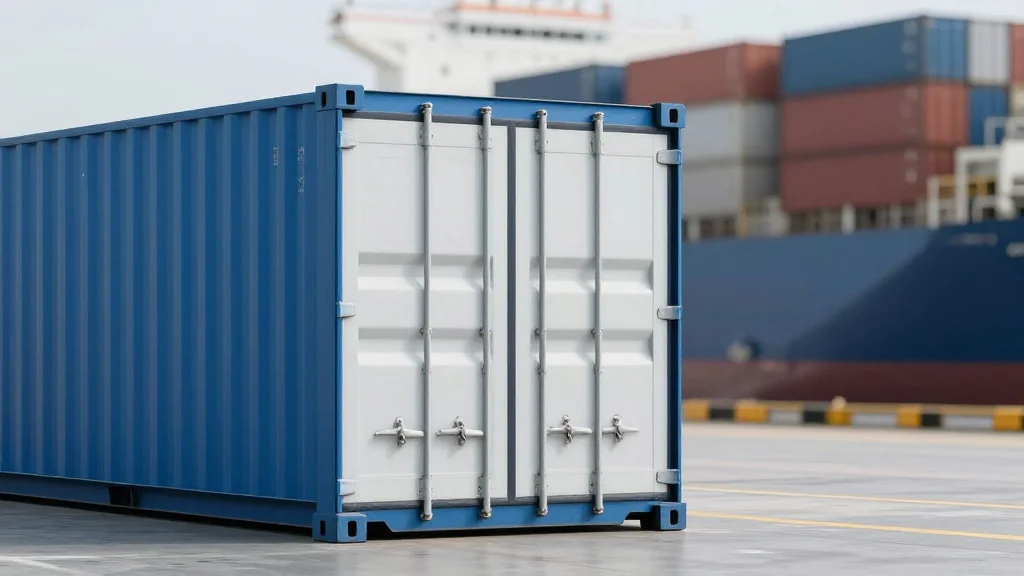
Muted Peak Season Expected as Ocean Shippers Delay Contract Signing
Companies Mentioned

Why It Matters
Delaying contracts pushes more volume onto the premium spot market, raising short‑term shipping costs and pressuring carrier pricing strategies. Retailers securing long‑term deals gain cost predictability, giving them a competitive edge in a volatile trade environment.
Key Takeaways
- •Shippers delay long‑term contracts due to Iran war uncertainty
- •Spot rates remain 50% above pre‑conflict levels despite low demand
- •Carriers increase blank sailings to support higher spot market pricing
- •Bob’s Discount Furniture and Dollar Tree secure multi‑year contracts for cost predictability
- •June U.S. ocean imports projected down 2%; July up 4% month‑over‑month
Pulse Analysis
The ongoing conflict in Iran has introduced a layer of geopolitical risk that reverberates through global supply chains, especially in ocean freight. Shippers are wary of committing to multi‑year rates that could lock them into elevated pricing, opting instead for the flexibility of the spot market despite its current premium. This cautious stance reflects broader concerns about demand volatility and the potential for further disruptions, prompting carriers to adjust capacity through blank sailings and mid‑month container rollovers to sustain price levels.
Spot market dynamics have taken center stage as carriers leverage scarcity to command higher rates. Freightos data shows a sustained 50% uplift in average spot rates from the Far East to the U.S. West Coast compared with pre‑conflict baselines, even as overall import volumes dip modestly. To balance the market, carriers are strategically reducing sailings, a move that tightens available capacity and reinforces spot price strength. This environment creates a short‑term cost squeeze for import‑heavy retailers but also sets the stage for a potential price correction once long‑term contracts are finalized.
Retail giants like Bob’s Discount Furniture and Dollar Tree are countering uncertainty by securing multi‑year contracts that lock in rates for roughly 75% of their freight volumes. These agreements provide cost predictability and protect service reliability, allowing the firms to focus on inventory planning amid fluctuating consumer confidence. As the traditional summer peak season looms, analysts anticipate a gradual transition back to contracted pricing, which should temper spot market volatility and support a more stable freight landscape for both shippers and carriers.
Muted peak season expected as ocean shippers delay contract signing
Comments
Want to join the conversation?
Loading comments...