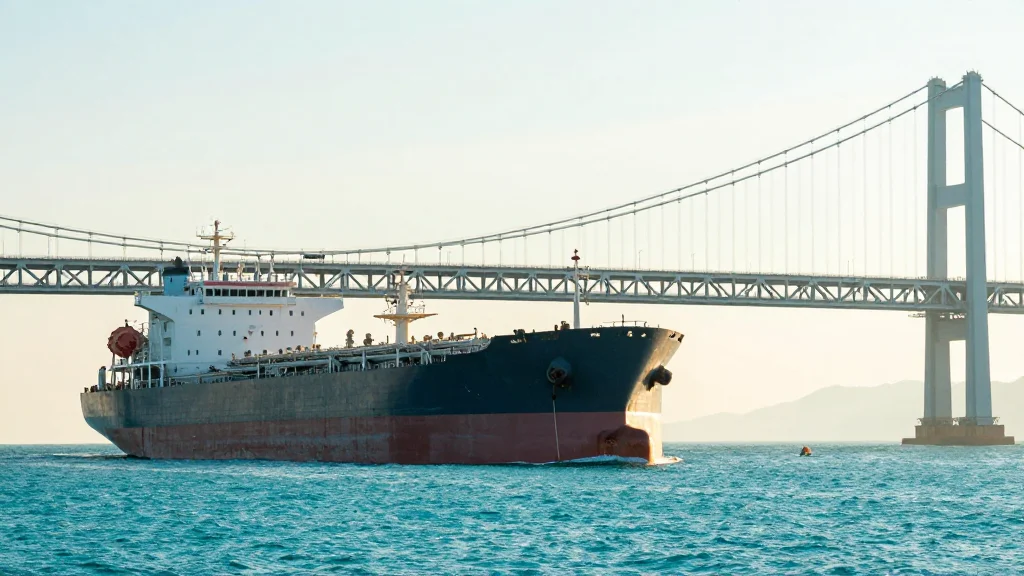
Oil Prices Drop Over 9% as Iran Keeps Hormuz Open, Easing Supply‑Chain Fears

Companies Mentioned
Why It Matters
The Hormuz decision cuts a major geopolitical risk premium that has been inflating oil prices and freight costs worldwide. For supply‑chain managers, lower bunker fuel prices can improve margins on container and bulk shipping, while the price drop eases input costs for manufacturers reliant on petrochemical feedstocks. However, the underlying volatility remains tied to diplomatic outcomes, meaning that logistics planners must continue to hedge against sudden price spikes and potential route disruptions. Moreover, the 500 million‑barrel shortfall highlighted by Kpler underscores how quickly geopolitical events can erase months of supply, stressing the importance of diversified sourcing and strategic inventory buffers. The 21‑day transit lag to Europe means that even with price relief, physical oil availability will normalize only gradually, keeping European refineries and downstream users on alert.
Key Takeaways
- •Brent crude fell 9.07% to $90.38/bbl; WTI dropped 11.45% to $83.85/bbl.
- •Iran announced commercial vessels can continue transiting the Strait of Hormuz.
- •Over 500 million barrels of crude removed from the market since late February.
- •Gulf Arab producers lost ~8 million barrels per day in March.
- •It takes ~21 days for Gulf cargoes to reach Rotterdam, delaying supply relief.
Pulse Analysis
The Hormuz reopening is a classic case of geopolitics dictating commodity pricing, but the market reaction also reveals a maturing risk‑management approach among traders. Over the past two weeks, oil futures priced in a premium that reflected not just the possibility of a supply cut but also the uncertainty of a prolonged conflict. When Iran signaled that the strait would stay open, that premium evaporated almost overnight, demonstrating that market participants had been pricing a binary outcome—open versus closed—rather than a nuanced, partial disruption.
From a supply‑chain perspective, the price shock will likely cascade through freight markets. Bunker fuel costs, which typically track crude prices with a lag, will fall, giving shipping lines breathing room to lower spot rates or improve margins. This could spur a short‑term uptick in container volumes as shippers take advantage of cheaper transport, but the underlying inventory gaps—500 million barrels—mean that physical supply constraints will linger. Companies that have built inventory buffers or diversified sourcing will be better positioned to weather any reversal should negotiations stall.
Looking forward, the real test will be the durability of diplomatic progress. If a formal cease‑fire materializes and Hormuz traffic remains uninterrupted, we could see a new baseline for oil prices, potentially stabilizing freight costs for the rest of 2026. Conversely, any flare‑up—whether from renewed nuclear talks or a U.S. blockade—could instantly re‑price risk, sending oil and freight markets back into volatility. Supply‑chain leaders should therefore maintain flexible contracts, monitor geopolitical developments closely, and consider hedging strategies that account for both price and physical delivery risks.
Oil Prices Drop Over 9% as Iran Keeps Hormuz Open, Easing Supply‑Chain Fears
Comments
Want to join the conversation?
Loading comments...