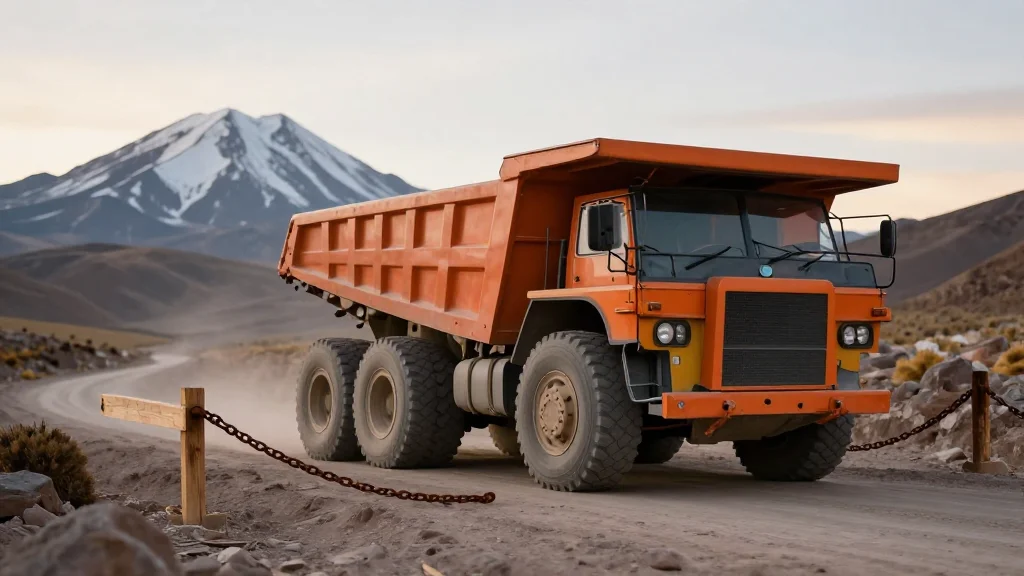
Orvana Minerals Delays Oxide Ore Processing at Bolivia's Don Mario Amid Transport Disruptions

Why It Matters
The Orvana disruption underscores how regional political instability can quickly cascade into global supply‑chain challenges for strategic metals. Copper and silver are essential inputs for electric‑vehicle batteries, renewable‑energy infrastructure, and electronics; any delay in production can tighten markets already strained by demand growth. Moreover, the incident highlights the vulnerability of mining projects that depend on cross‑border logistics, prompting companies to reconsider the resilience of their supply networks and the need for diversified sourcing strategies. For investors, the delay adds a layer of operational risk to Orvana’s portfolio, potentially affecting earnings forecasts and valuation. For policymakers, the episode serves as a reminder that infrastructure security and labor relations are integral to maintaining a reliable flow of critical minerals, which are increasingly viewed as national‑security assets.
Key Takeaways
- •Orvana reports Bolivia’s nationwide strikes and road blockades are halting transport to the Don Mario Oxide Stockpile Project.
- •Oxide ore processing start‑up is delayed indefinitely with no revised date provided.
- •Verification phase produced 959 gold ounces and 1,079 silver ounces of doré from legacy sulphide ore.
- •Company is evaluating in‑country sourcing alternatives while prioritizing personnel safety.
- •Delay could tighten global copper and silver supplies needed for EVs and renewable‑energy projects.
Pulse Analysis
Orvana’s predicament is a textbook case of geopolitical risk translating into operational setbacks for mineral supply chains. Historically, mining projects in politically volatile regions have built contingency plans—stockpiling critical inputs, securing multiple transport corridors, or even relocating processing facilities. Orvana’s reliance on a single logistics corridor in Bolivia now appears as a strategic blind spot. The company’s swift acknowledgment of the issue and its public commitment to safety are prudent, but investors will likely demand a clearer roadmap for mitigating similar risks in the future.
From a market perspective, the delay may have a modest but measurable impact on copper and silver price dynamics, especially if other supply‑side shocks coincide. The OSP was slated to add significant copper output, which would have helped offset tightening inventories driven by strong demand from the clean‑energy sector. In the short term, traders may price in a supply shortfall, nudging spot premiums higher. Longer‑term, the episode could accelerate industry‑wide moves toward supply‑chain diversification, including greater emphasis on near‑shoring processing capacity and building strategic reserves of critical inputs.
Looking ahead, Orvana’s ability to secure alternative sourcing within Bolivia will be a key determinant of project resilience. If the company can source required reagents and equipment domestically, it may reduce exposure to future transport disruptions. Conversely, prolonged instability could force a reassessment of the project's economic viability, potentially prompting a shift of capital toward assets in more stable jurisdictions. Stakeholders should watch for any updates from Bolivian authorities on road access and for Orvana’s next guidance release, which will likely set the tone for the company’s near‑term outlook.
Orvana Minerals delays oxide ore processing at Bolivia's Don Mario amid transport disruptions
Comments
Want to join the conversation?
Loading comments...