Port of Long Beach, Partners Plan ‘Green Truck Corridor’
Companies Mentioned
Why It Matters
The corridor accelerates California’s freight‑decarbonization while improving supply‑chain efficiency, setting a scalable model for sustainable logistics across the United States.
Key Takeaways
- •Port, Wonderful Co., and Lincoln sign MOU for Green Truck Corridor
- •150‑mile route links Long Beach port to Central Valley logistics hub
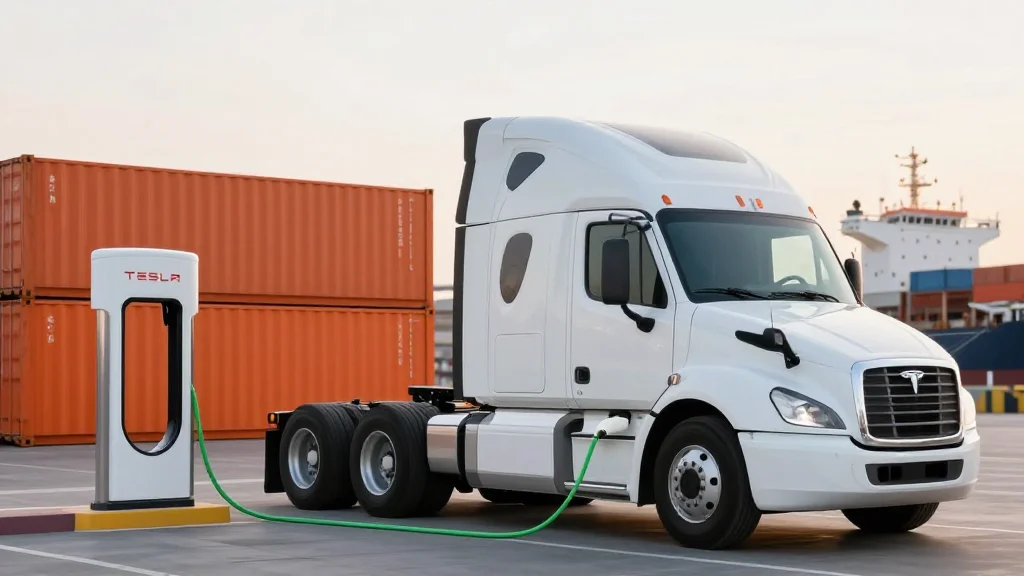
- •Lincoln orders 300 Tesla Semi trucks; first 50‑70 arrive June
- •Port will add 92 EV charging stations, reaching 194 by year‑end
- •Amazon, Walmart, Target, Ross among shippers backing the corridor
Pulse Analysis
California’s push to decarbonize freight is reaching a critical mass, and the new Green Truck Corridor illustrates how ports, agribusinesses, and logistics firms can align. By connecting the nation’s busiest West Coast gateway with the Central Valley’s inland distribution network, the project tackles two persistent challenges: emissions from diesel trucks and congestion on State Route 99. The partnership leverages the Wonderful Company’s 2,000‑acre logistics hub in Shafter, already home to Fortune‑500 tenants, to serve as a strategic node for clean‑energy freight.
The corridor’s operational backbone rests on electric power. Lincoln Transportation Services has committed to 300 Tesla Semi trucks, each with a 500‑mile range, and will begin deliveries of 50‑70 units this June. Complementary production from Voltz will add 100 more units by late 2027. Meanwhile, the Port of Long Beach is expanding its electric‑vehicle charging capacity from 102 to 194 stations, ensuring that the growing fleet can recharge without bottlenecks. This infrastructure rollout not only supports the immediate rollout but also future‑proofs the corridor for broader adoption of zero‑emission vehicles.
Beyond environmental gains, the corridor promises tangible economic benefits. Faster, cleaner freight movement can reduce dwell times for the 300,000 containers that travel the route each year, enhancing inventory turnover for retailers like Amazon and Walmart. The model also offers a template for other ports seeking to integrate inland logistics with clean‑energy initiatives, potentially reshaping national freight patterns. As more shippers adopt the corridor, the cumulative reduction in greenhouse‑gas emissions could be significant, reinforcing California’s leadership in sustainable supply‑chain innovation.
Port of Long Beach, partners plan ‘Green Truck Corridor’
Comments
Want to join the conversation?
Loading comments...