Rare Earths Are on Trump’s Agenda in China. But US Electronic Waste Offers an Untapped Source at Home
Companies Mentioned
Why It Matters
Recovering rare earths from e‑waste offers a fast, domestic route to mineral security, reducing reliance on China and supporting clean‑energy growth. It also turns a growing waste stream into a strategic asset for national defense and industry.
Key Takeaways
- •US e-waste contains ~18,000 t of neodymium magnets annually
- •China supplies ~70% of rare earths, 90% of processing
- •Domestic recycling infrastructure remains fragmented across 25 states
- •DOE forecasts 37,000 t neodymium magnets demand by 2030
- •Policy incentives needed for large‑scale rare‑earth recovery from waste
Pulse Analysis
China’s dominance of rare‑earth mining and processing has become a geopolitical lever, especially as the Trump‑Xi summit places the issue high on the agenda. With Chinese mines delivering roughly 70% of global rare earths and controlling about 90% of the high‑value magnet‑making steps, any export restriction can ripple through U.S. automotive, defense, and technology supply chains. The strategic gap is stark: the Department of Energy expects neodymium‑magnet demand to surge to 37,000 tonnes by 2030, while domestic output hovers near 1,000 tonnes, underscoring the urgency of alternative sources.
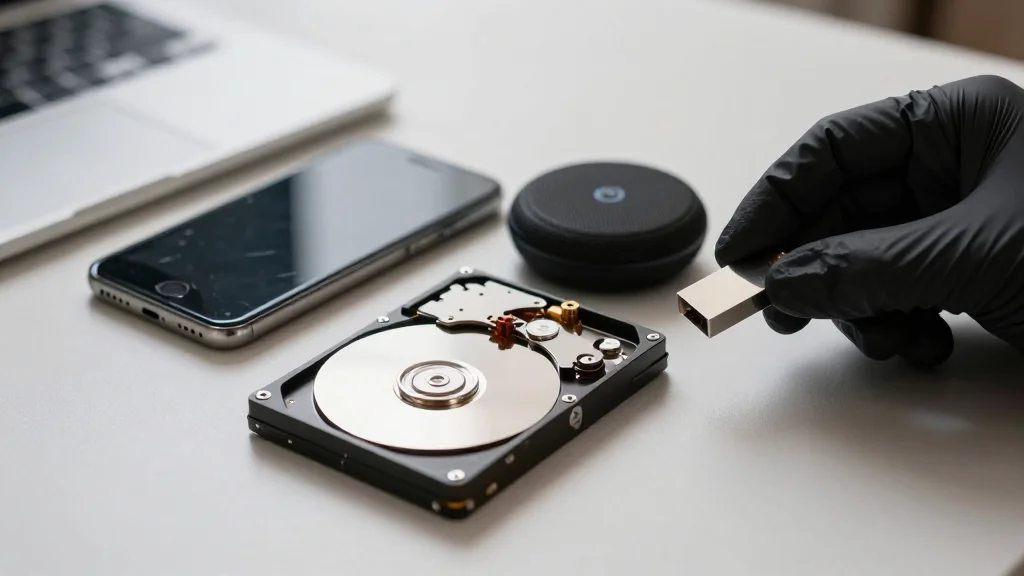
A largely untapped solution lies in the United States’ own e‑waste. The 2022 generation of 7.2 million tonnes of electronic discard likely contains around 0.25% neodymium magnets, translating to roughly 18,000 tonnes each year—enough to satisfy two‑thirds of the projected 2030 demand. Yet current recycling programs are uneven, with 25 states operating disparate schemes and no federal mandate to prioritize rare‑earth recovery. Specialized collection, advanced separation technologies, and a shift away from landfill dumping are essential to capture this hidden resource before it is shipped abroad.
Realizing a circular rare‑earth economy will hinge on coordinated policy and market signals. Federal tax credits, extended producer‑responsibility rules, and public‑procurement standards for recycled magnet content can make large‑scale recovery economically viable. Investment in domestic processing facilities, coupled with design‑for‑disassembly standards, will accelerate the transition from a linear to a circular supply chain. By treating e‑waste as a strategic mineral reserve, the United States can bolster its national security, support clean‑energy initiatives, and reduce the environmental toll of rare‑earth extraction.
Rare earths are on Trump’s agenda in China. But US electronic waste offers an untapped source at home
Comments
Want to join the conversation?
Loading comments...