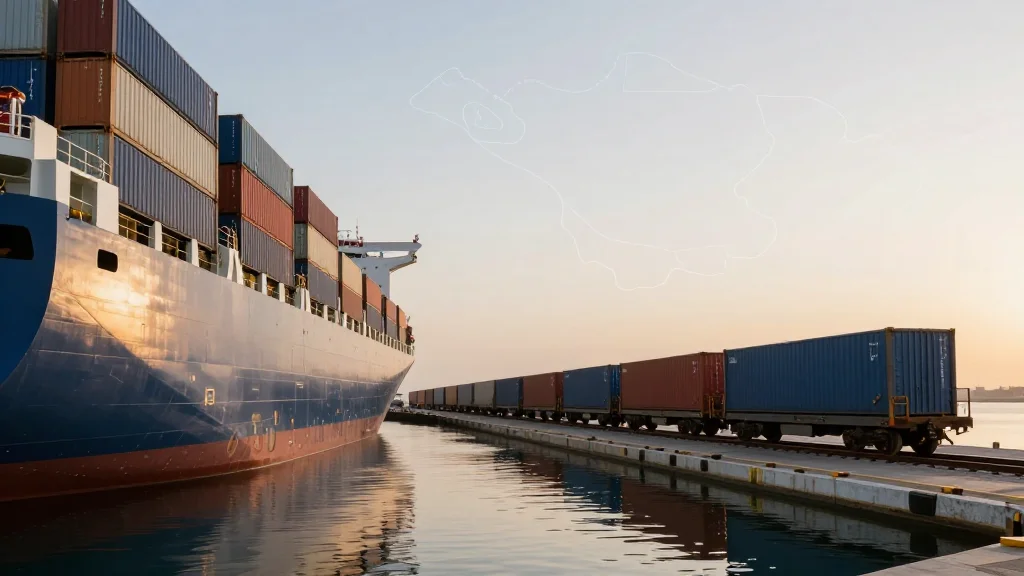
Saudi Arabia, Turkey, UAE Advance New Overland‑Sea Corridor to Bypass Hormuz

Companies Mentioned
Why It Matters
The corridor directly addresses a long‑standing vulnerability in global supply chains: reliance on the Strait of Hormuz, through which roughly 20% of the world’s oil passes and a significant share of container traffic flows. By offering an alternative route, the initiative reduces exposure to geopolitical disruptions, potentially stabilising freight rates and delivery schedules for manufacturers and retailers worldwide. Beyond risk mitigation, the project could reshape trade patterns across the Middle East, encouraging investment in rail and port infrastructure, fostering deeper economic integration among Gulf states, Turkey and the Levant, and creating new logistics jobs. It also signals a strategic pivot by regional powers to assert greater control over their own trade corridors, lessening dependence on external maritime powers.
Key Takeaways
- •Saudi Arabia, Turkey and the UAE announced a coordinated overland‑sea corridor to bypass the Strait of Hormuz.
- •Existing sea‑land bridges connect UAE ports Fujairah and Khor Fakkan to Saudi Gulf hubs; rail links now reach Jordan.
- •DP World and Abu Dhabi Ports secured concessions for Jordan’s Aqaba and Syrian ports Latakia and Tartus.
- •The corridor revives the historic Hejaz Railway, linking Jeddah to Istanbul via Amman and Damascus.
- •Pilot shipments are expected by late 2026, with full commercial service targeted for 2028.
Pulse Analysis
The push for a Hormuz‑bypass corridor reflects a broader trend of supply‑chain de‑risking that has accelerated since the 2023‑24 maritime disruptions in the Red Sea and Gulf. Companies have been scrambling for alternative routes, and regional governments are now stepping in to provide the infrastructure that private shippers lack the capital to build alone. By aligning state‑owned port operators with rail projects, Saudi Arabia and the UAE are creating a vertically integrated logistics platform that can compete with established global hubs.
Historically, the Middle East’s freight flow has been dominated by Gulf ports that funnel oil and containers through Hormuz into the Suez Canal. The new corridor challenges that paradigm, offering a land‑based alternative that could attract bulk commodities, automotive parts, and even high‑value electronics seeking faster, more predictable transit. If the corridor achieves its projected timelines, it could shave 2‑3 days off container journeys between South Asia and Europe, a competitive edge that may lure carriers away from traditional Gulf routes.
However, the venture faces significant hurdles. Political volatility in Syria and Iraq, lingering security concerns around the Red Sea, and the need for customs harmonisation across multiple jurisdictions could delay implementation. Moreover, the exclusion of Israel’s Haifa port—once a key node in the original 2023 corridor concept—highlights the geopolitical sensitivities that still shape infrastructure decisions. Success will depend on sustained diplomatic coordination and the ability of regional operators to meet international service standards. If they do, the corridor could become a cornerstone of a more resilient, multipolar global supply‑chain network.
Saudi Arabia, Turkey, UAE Advance New Overland‑Sea Corridor to Bypass Hormuz
Comments
Want to join the conversation?
Loading comments...