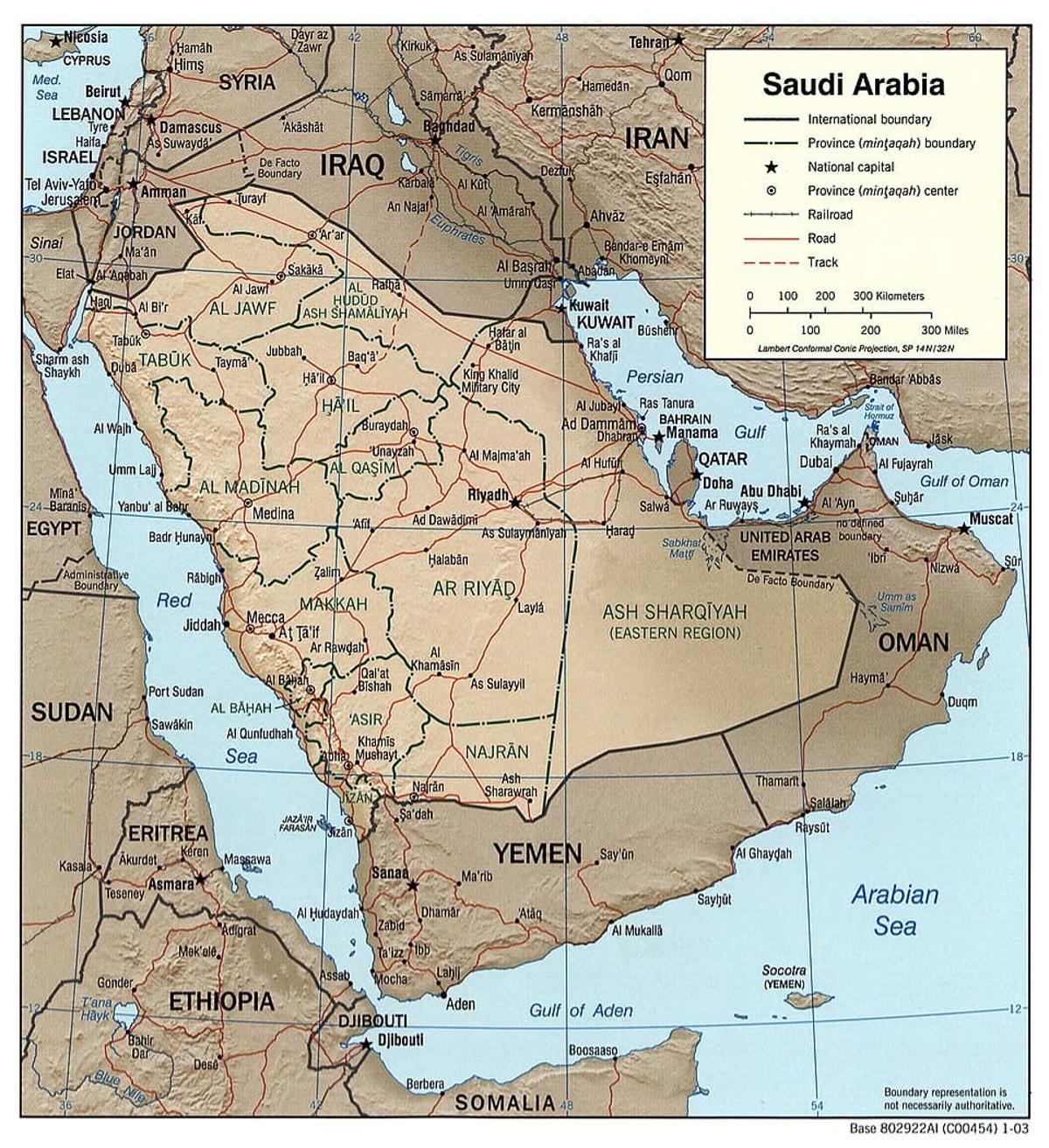
Saudi Arabia’s Logistics Giant Would Be More Than a PIF Portfolio Move
Why It Matters
A unified logistics network would give Saudi Arabia strategic control over trade routes and generate recurring cash flow, reshaping regional supply‑chain dynamics. It also opens a sizable market for technology vendors seeking to digitize national‑scale logistics.
Key Takeaways
- •Saudi PIF may merge Bahri, ports, and rail into a logistics champion
- •Consolidation aims to create resilient corridors amid Strait of Hormuz risks
- •Integrated platform could attract foreign capital and potential IPO
- •Digital orchestration layer will be essential for network coordination
- •Success hinges on rail connectivity, customs efficiency, and data integration
Pulse Analysis
Saudi Arabia’s plan to fuse its maritime, port and rail assets reflects a broader shift in how sovereign wealth funds view logistics. Under Vision 2030, the Public Investment Fund sees an integrated platform not merely as infrastructure but as a revenue‑generating engine that can compete with the UAE’s DP World model. By bundling Bahri’s global shipping fleet with Saudi Global Ports and the national railway, the Kingdom aims to create a seamless east‑west corridor that leverages its Red Sea coastline and Gulf access, offering a compelling proposition for foreign investors seeking exposure to a high‑growth, asset‑rich sector.
The strategic timing is notable. Recent disruptions in the Strait of Hormuz have underscored the fragility of traditional maritime routes, prompting governments and shippers to prioritize route survivability over pure cost. A Saudi‑controlled logistics champion could provide alternative inland pathways, dry ports and rail links that bypass chokepoints, enhancing supply‑chain resilience for global carriers. However, the physical network alone will not suffice; the initiative will require a sophisticated digital layer—real‑time visibility, AI‑driven planning, and integrated customs workflows—to orchestrate assets across modes and borders.
For shippers and technology vendors, the implications are twofold. Companies will watch whether the new entity can deliver reliable Red Sea capacity, robust rail freight services, and transparent governance that attracts external capital or an IPO. Simultaneously, software providers have a chance to supply corridor‑level control‑tower solutions, digital twins and exception‑management tools that go beyond siloed enterprise systems. In a world where logistics is increasingly a strategic asset, Saudi Arabia’s consolidation could set a new benchmark for sovereign‑driven, digitally enabled supply‑chain platforms.
Saudi Arabia’s Logistics Giant Would Be More Than a PIF Portfolio Move
Comments
Want to join the conversation?
Loading comments...