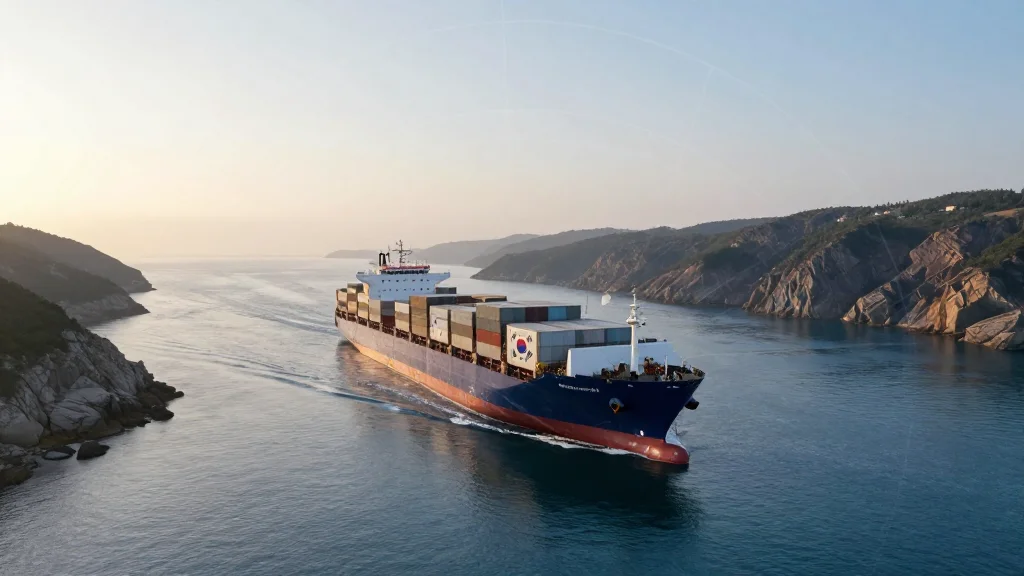
South Korea Sends Ship Data to Iran to Unblock 26 Vessels in Hormuz

Why It Matters
The data‑sharing arrangement signals a shift in South Korea’s diplomatic toolkit, moving from traditional diplomatic pressure to direct operational support for its commercial fleet. By engaging Iran, Seoul is attempting to safeguard a critical supply‑chain artery that underpins its energy‑intensive industries and export‑driven economy. If successful, the move could set a precedent for other nations to use information exchange as a de‑escalation tool in contested waterways. Beyond immediate vessel safety, the episode highlights the fragility of global supply chains that depend on narrow maritime chokepoints. A prolonged closure of the Strait of Hormuz would force shippers to reroute around the Cape of Good Hope, adding weeks to transit times and inflating freight costs. South Korea’s proactive stance may encourage other regional players to seek similar bilateral arrangements, reshaping how supply‑chain risk is managed in geopolitically volatile regions.
Key Takeaways
- •South Korea provided real‑time ship data to Iran for 26 vessels and 173 crew members stuck in the Strait of Hormuz
- •Data exchange announced during a cabinet meeting chaired by President Lee Jae Myung
- •Special envoy Chung Byung‑ha led talks in Tehran on maritime safety and freedom of navigation
- •The move follows a fragile US‑Iran ceasefire announced on April 7 that is now under strain
- •Potential to restore limited oil flow and reduce freight‑rate pressure on East Asian supply chains
Pulse Analysis
Seoul’s decision to share maritime data with Tehran reflects a pragmatic turn in its foreign‑policy calculus, prioritizing the protection of commercial assets over broader geopolitical alignments. Historically, South Korea has leaned on the United States for security guarantees in the Persian Gulf, but the escalating US‑Iran naval standoff has forced a reassessment of risk mitigation strategies. By leveraging diplomatic channels with Iran, Seoul is effectively creating a buffer that could buy time for its shipping industry while diplomatic negotiations continue.
From a market perspective, the immediate benefit is modest—a handful of vessels cleared, crew repatriated, and a symbolic reassurance to shippers that South Korean authorities are actively managing the crisis. Yet the longer‑term implication is more profound: if data‑sharing proves effective, it could become a template for other nations facing similar chokepoint vulnerabilities, especially as great‑power competition intensifies in strategic waterways. Companies may begin to factor diplomatic data‑exchange capabilities into their supply‑chain risk assessments, alongside traditional insurance and diversification tactics.
Looking ahead, the durability of this approach hinges on the United States’ response. If Washington perceives the data‑share as undermining its blockade strategy, it could lead to diplomatic friction, potentially limiting Seoul’s ability to act independently in future crises. Conversely, a coordinated US‑South Korea‑Iran framework could usher in a new era of multilateral maritime risk management, reducing the likelihood of abrupt supply‑chain shocks. The coming weeks will reveal whether Seoul’s gamble pays off or merely adds another layer of complexity to an already tense regional security environment.
South Korea Sends Ship Data to Iran to Unblock 26 Vessels in Hormuz
Comments
Want to join the conversation?
Loading comments...