Companies Mentioned
Why It Matters
A functional downmass layer would eliminate geographic chokepoints, reshaping defense logistics, disaster relief, and high‑value manufacturing by delivering goods faster and cheaper than any terrestrial alternative.
Key Takeaways
- •Launch costs falling, but return capability remains missing
- •Downmass could deliver 10‑ton payloads worldwide within an hour
- •Reusable return vehicles require heat‑shield, guidance, and regulatory advances
- •Exologistics promises air‑freight cost with space‑speed delivery
- •Infrastructure investors, not just launch firms, will shape the market
Pulse Analysis
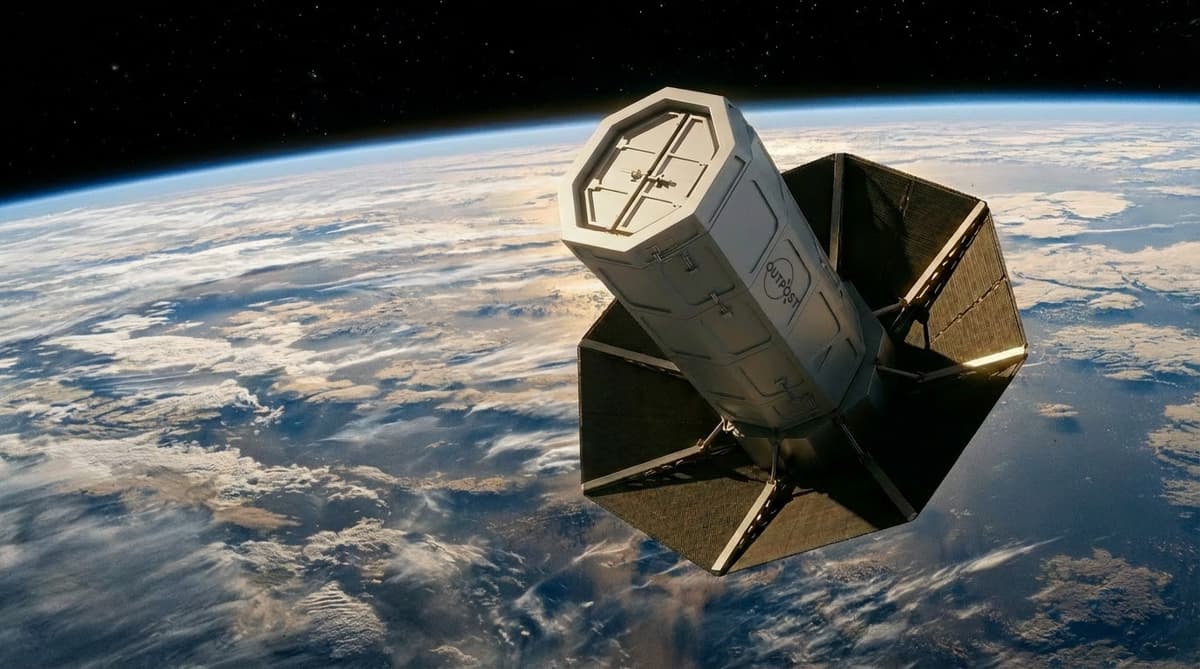
The persistent geographic constraints of Earth‑bound supply chains have long imposed a hidden tax on global commerce, national security, and humanitarian aid. While container ships, digital tracking, and e‑commerce have accelerated the flow of goods, they still rely on fixed ports, canals, and overland routes that can be blocked or congested. A two‑way orbital logistics system—often dubbed exologistics—offers a paradigm shift: launch provides the northbound lane, but only a reliable, reusable return capability can complete the highway, enabling rapid, point‑to‑point delivery from space without traditional corridors.
Technical hurdles have kept downmass in the prototype stage. Re‑entering vehicles must survive repeated thermal cycles, requiring next‑generation heat‑shield materials and active cooling systems. Precision guidance and autonomous landing technologies are essential for delivering payloads within meters of a predetermined site, a capability that is rapidly maturing thanks to advances in AI‑driven navigation and sensor fusion. Equally critical are regulatory frameworks that can accommodate rapid customs clearance and air‑space deconfliction for high‑frequency re‑entries. Companies such as SpaceX, Blue Origin, and emerging start‑ups are already testing reusable return stages, while venture capital is flowing into firms focused on heat‑shield refurbishment, autonomous descent, and orbital depot infrastructure.
The strategic implications are profound. Defense planners can bypass contested ground routes, delivering ammunition or medical supplies in under an hour to remote theaters. Humanitarian agencies could reach disaster zones cut off by floods or earthquakes, dramatically reducing response times. Commercially, industries like in‑space pharmaceuticals and semiconductor manufacturing stand to benefit from a closed‑loop supply chain that moves raw materials to orbit for processing and returns finished products at scale. As with railroads and container ports, the entities that invest in and standardize the return infrastructure will capture lasting market power, shaping the next era of global trade and security.
Space’s missing half
Comments
Want to join the conversation?
Loading comments...