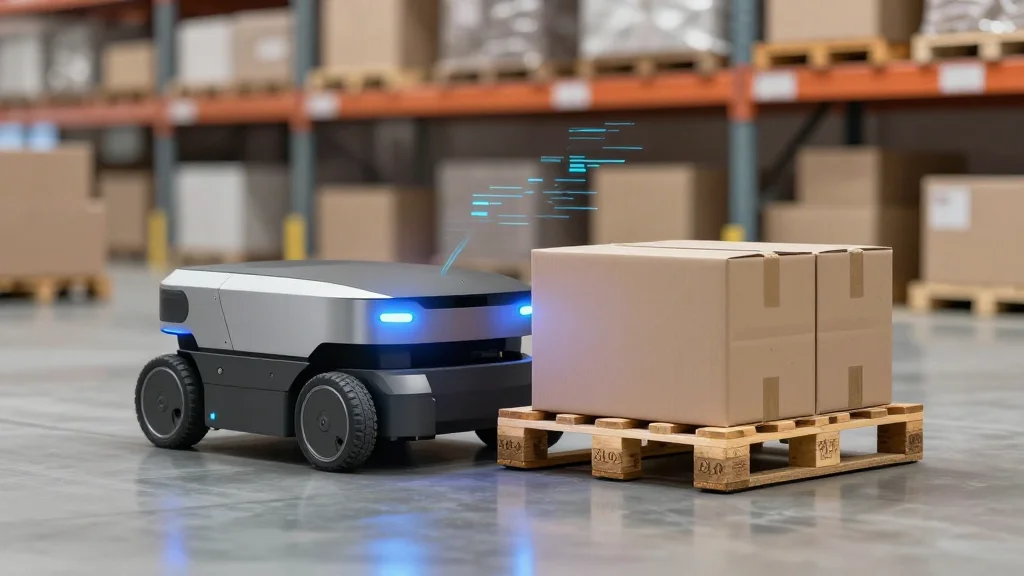
Supply Chain Leaders Are Being Asked to Do Two Jobs at Once
Why It Matters
Balancing short‑term performance with long‑term AI transformation determines whether supply chains can stay competitive and resilient. The ability to embed AI into real‑time decisions will reshape cost structures, risk management, and talent requirements across the industry.
Key Takeaways
- •Supply chains spent $24M on AI in 2025, many projects delayed.
- •Leaders must balance immediate cost pressures with long‑term AI transformation.
- •Gartner urges building a decision stack linking data, workflow, governance.
- •Workforce roles will shift to overseeing AI‑driven decision systems.
Pulse Analysis
The surge in AI investment reflects a strategic gamble: companies are betting that intelligent automation will eventually cut costs and improve agility, but the payoff timeline remains uncertain. Gartner’s data shows $24 million in average AI spend per supply‑chain organization in 2025, yet most projects are still in pilot phases, often exceeding budgets and lacking clear ROI metrics. This mirrors the early‑2000s tech wave, where firms wrestled with integrating emerging tools while keeping day‑to‑day operations humming.
Gartner’s concept of the "autonomous business" reframes supply‑chain management from a series of siloed tasks to a continuous flow of interconnected decisions. Central to this vision is a "decision stack" that weaves together raw data, workflow orchestration, governance policies, and institutional knowledge, enabling AI to suggest or execute actions in real time. By moving beyond simple task automation, firms can achieve outcome‑based performance, such as dynamically rerouting shipments in response to geopolitical disruptions or demand spikes, while still retaining human oversight for nuanced judgment.
The workforce implication is equally profound. Rather than eliminating jobs, AI reshapes roles, demanding employees who can monitor, interpret, and improve algorithmic outputs. This shift calls for upskilling programs focused on data literacy, AI ethics, and cross‑functional collaboration. Companies that successfully blend technology with human expertise will likely outpace competitors, delivering faster, more reliable service while navigating the volatile global landscape. Those that cling to legacy silos risk falling behind as the autonomous era accelerates.
Supply Chain Leaders Are Being Asked to Do Two Jobs at Once
Comments
Want to join the conversation?
Loading comments...