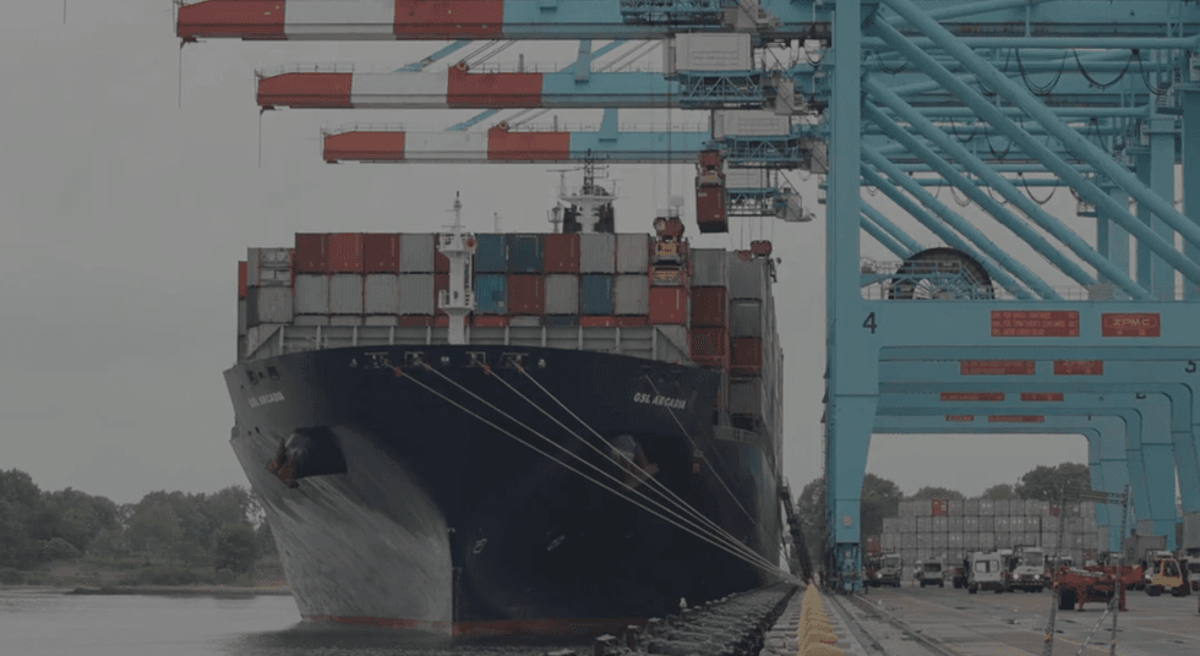
Survey: Port Leaders Call for $6.7 Billion Cargo Equipment Spending
Why It Matters
Tariff uncertainty could delay essential upgrades, jeopardizing U.S. supply‑chain efficiency and the global competitiveness of American ports.
Key Takeaways
- •$6.7 billion needed for U.S. port equipment upgrades
- •Over 100 new or replacement ship‑to‑shore cranes required
- •NAWE seeks USTR clarification on tariffs for Chinese equipment
- •Uncertainty could stall projects vital to supply‑chain efficiency
Pulse Analysis
American ports are at a crossroads as global shipping trends push vessel sizes beyond the capacity of aging infrastructure. Larger container ships demand faster, more reliable cargo handling, prompting terminal operators to prioritize investments in ship‑to‑shore cranes and yard equipment. The NAWE survey highlights that without a coordinated upgrade plan, bottlenecks could erode the United States’ share of containerized trade, especially as competitors in Asia and Europe accelerate their own port modernization programs.
The $6.7 billion capital plan breaks down into four key segments: new STS cranes ($2.74 billion), large yard cargo handling gear and additional cranes ($2.4 billion), rail‑mounted yard equipment ($917 million), and repairs to existing assets ($790 million). This allocation reflects the dual need to expand capacity and extend the life of current equipment. However, the rollout faces a significant hurdle: unclear tariff policy on Chinese‑manufactured cranes and handling gear. NAWE’s formal request to the Office of the U.S. Trade Representative underscores the industry’s demand for certainty, especially regarding the one‑year tariff pause that could affect order timing, delivery schedules, and parts availability.
The broader implications extend beyond individual terminals. Delayed investments risk creating a supply‑chain choke point that could increase freight costs and disrupt just‑in‑time manufacturing across the economy. Moreover, the tariff ambiguity highlights a gap between domestic manufacturing capacity and the immediate demand for high‑tech port equipment, suggesting an opportunity for U.S. firms to fill the void if policy aligns. Clear, predictable trade rules will be essential for unlocking the $6.7 billion spend, safeguarding the nation’s trade flow, and maintaining the United States’ position as a leading hub in global logistics.
Survey: Port leaders call for $6.7 billion cargo equipment spending
Comments
Want to join the conversation?
Loading comments...