Survey: U.S. Manufacturers Sound Alarm About Rising Prices
Why It Matters
Escalating input costs compress profit margins and could prompt the Federal Reserve to tighten monetary policy, amplifying risk for the broader manufacturing sector and downstream supply chains.
Key Takeaways
- •83.1% of manufacturers cite raw material costs as top challenge
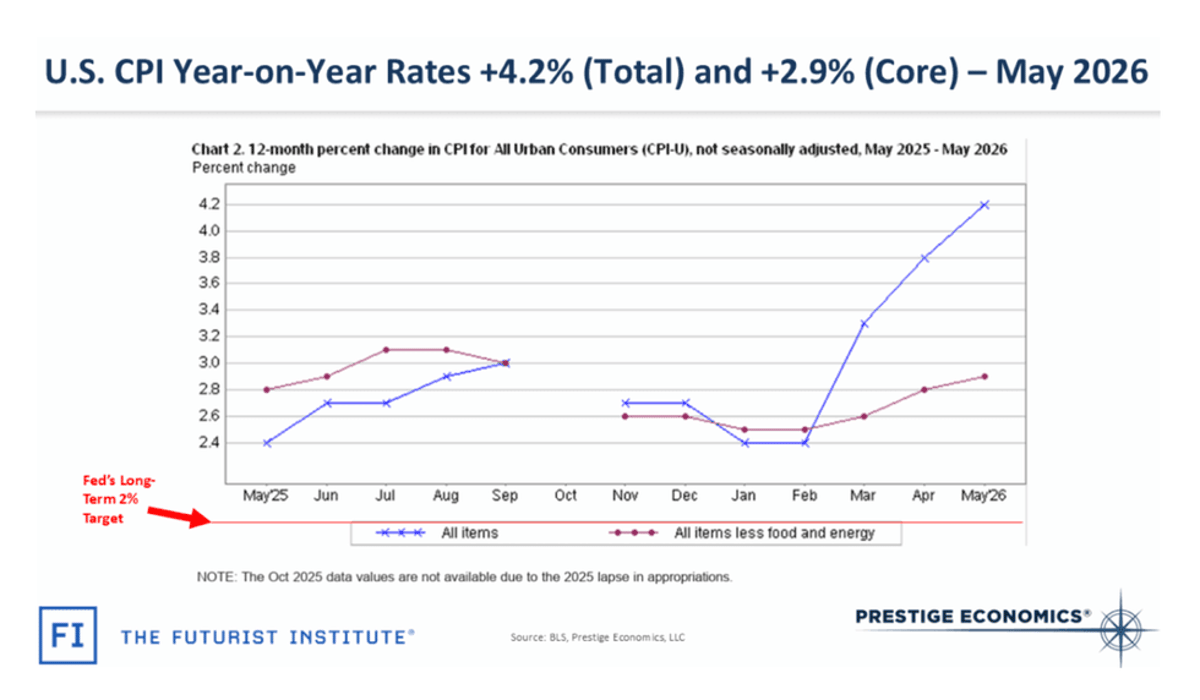
- •CPI rose to 4.2% YoY in May, highest in three years
- •Fuel price spikes from Iran conflict drive 72% report higher energy costs
- •Trade uncertainty remains a concern for 71.8% of surveyed firms
- •Manufacturer optimism slipped to 74.2% despite inflation pressures
Pulse Analysis
The latest inflation data underscores how geopolitical shocks can quickly translate into higher production costs. A 4.2% year‑over‑year rise in the consumer‑price index, spurred by soaring fuel prices amid the Iran conflict, marks the steepest increase since 2023. For manufacturers, energy is a critical input; the NAM survey finds that more than seven in ten firms are already feeling the pinch of higher electricity, natural‑gas, and transportation expenses, eroding operating margins and forcing price‑pass‑through decisions.
Beyond energy, the survey highlights a broader set of headwinds. Raw‑material price pressures jumped 25.6 percentage points to affect 83.1% of respondents, reflecting tighter commodity markets and supply‑chain disruptions. Trade policy uncertainty, cited by 71.8% of firms, adds another layer of risk as tariffs and regulatory changes could further inflate costs. Coupled with a resilient labor market, these dynamics raise the probability that the Federal Reserve will accelerate interest‑rate hikes to tame inflation, increasing borrowing costs for capital‑intensive manufacturers.
Looking ahead, companies are likely to double down on cost‑containment strategies such as renegotiating supplier contracts, investing in energy‑efficiency technologies, and diversifying sourcing locations. While optimism among manufacturers remains relatively high at 74.2%, the convergence of inflation, energy volatility, and policy uncertainty suggests a cautious outlook. Stakeholders—from investors to policymakers—must monitor these trends closely, as sustained cost pressures could ripple through the entire economy, affecting everything from consumer prices to employment levels in the manufacturing sector.
Survey: U.S. manufacturers sound alarm about rising prices
Comments
Want to join the conversation?
Loading comments...