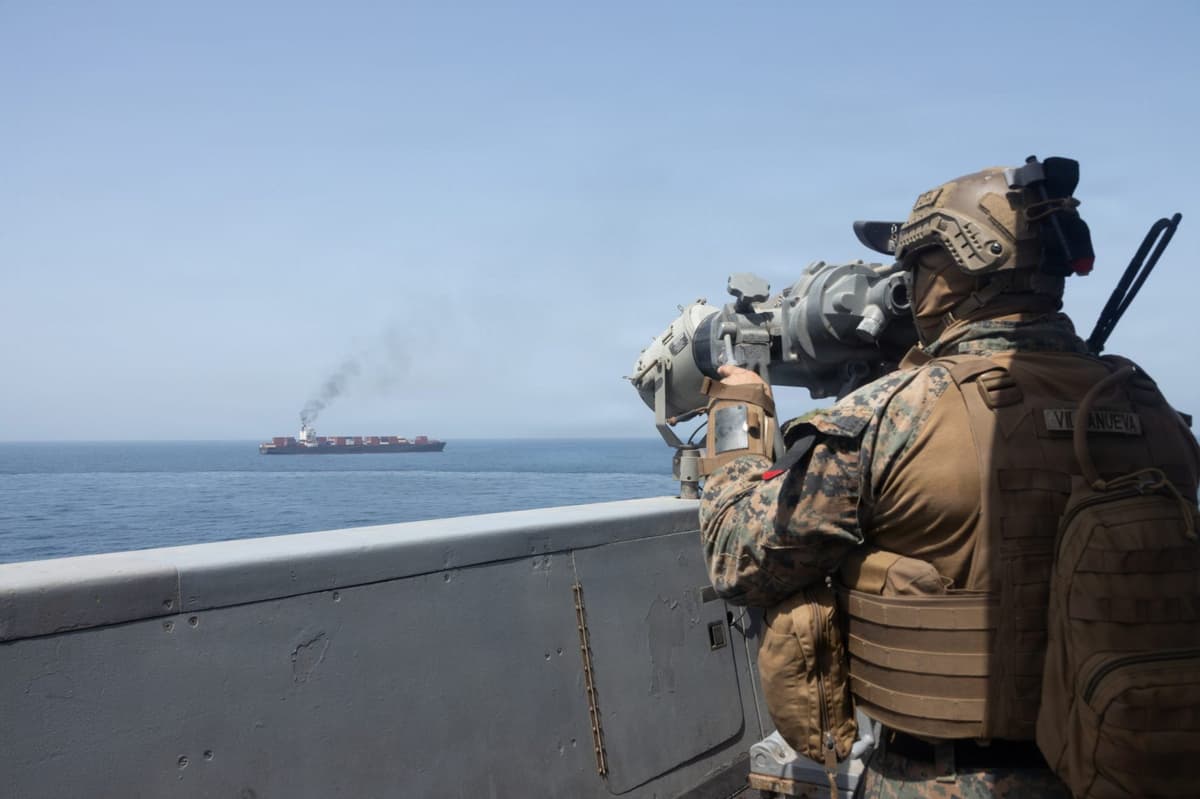
The Iran War Has Turned the World’s Shipping Straits Into a Chessboard—And the U.S. Aims to Box Out China From the Panama Canal to the Malacca Strait
Companies Mentioned
Why It Matters
By reshaping control of critical shipping lanes, the U.S. can limit China’s energy imports and influence global trade, raising geopolitical risk for businesses reliant on these routes.
Key Takeaways
- •US targets Panama Canal, Gibraltar, Malacca to curb China’s trade routes
- •Iran’s Hormuz blockade disrupts ~20% of global oil and gas flow
- •New US‑Indonesia military pact expands influence over the Strait of Malacca
- •US‑Morocco cooperation aims to secure the strategic Strait of Gibraltar
- •China holds 1.4 billion barrels emergency oil reserves, outpacing US SPR
Pulse Analysis
The Iran‑Hormuz standoff has become more than a regional flashpoint; it is the centerpiece of a U.S. strategy to pressure China across the globe’s most vital sea lanes. By turning the Hormuz crisis into a lever, Washington is extending its reach into the Western Hemisphere and the Indo‑Pacific, where control of the Panama Canal, the Greenland‑Iceland‑UK (GIUK) gap, and the Strait of Malacca can dictate the flow of energy and commodities. Recent military agreements with Indonesia and Morocco illustrate a tactical shift from overt naval deployments to partnership‑based access, allowing the United States to influence traffic through the world’s busiest chokepoints without direct confrontation.
These moves carry immediate implications for global supply chains. The Strait of Hormuz alone handles about one‑fifth of the world’s oil, liquefied natural gas, and fertilizer shipments, and any prolonged disruption forces shippers to reroute around longer, costlier paths. The Panama Canal’s recent contract overhaul, which ousted a Hong Kong‑based operator, further tightens U.S. leverage over trans‑Atlantic‑Pacific trade. Meanwhile, China’s massive emergency oil reserves—estimated at 1.4 billion barrels, dwarfing the U.S. Strategic Petroleum Reserve—provide it a buffer, but the nation remains vulnerable to sustained bottlenecks in the Malacca corridor, a route essential for its energy imports and raw material supplies.
Strategically, the U.S. is betting on a “soft containment” of China, using economic pressure points rather than kinetic warfare. If successful, the approach could force Beijing to reconsider aggressive moves in Taiwan or elsewhere, knowing that energy and trade disruptions would amplify the costs of escalation. However, critics warn that inconsistent execution and strained NATO ties could undermine credibility, leaving the geopolitical chessboard more volatile. Companies must monitor these developments closely, as shifts in chokepoint control can reshape freight costs, commodity pricing, and regional investment climates for years to come.
The Iran war has turned the world’s shipping straits into a chessboard—and the U.S. aims to box out China from the Panama Canal to the Malacca Strait
Comments
Want to join the conversation?
Loading comments...