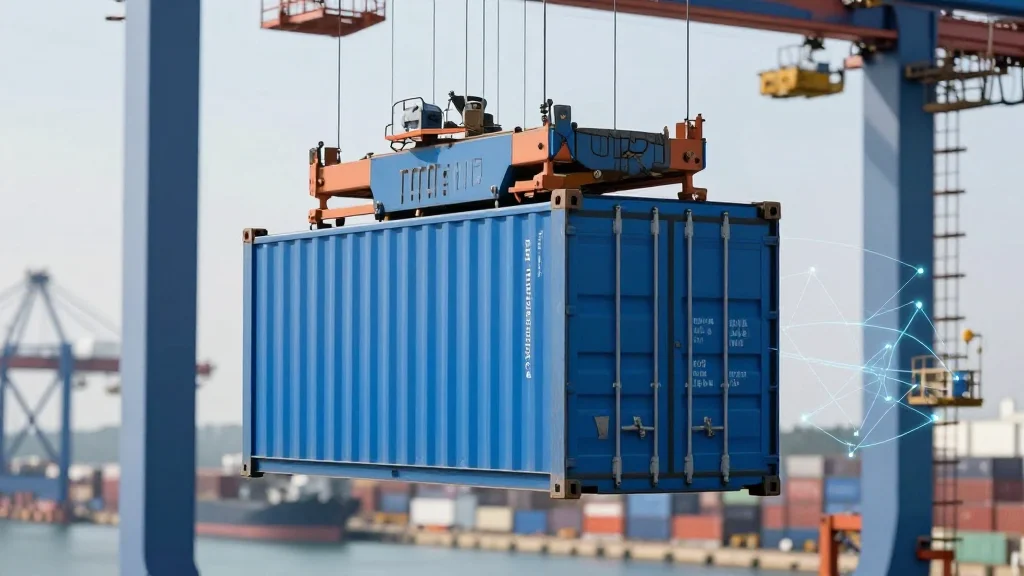
To Deliver Speed to Exporters Customs Rules Must Be Recast: Revenue Secretary Arvind Shrivastava
Why It Matters
Accelerated customs clearance directly enhances export competitiveness, supporting India’s push to scale MSMEs and capture global market share. The shift toward partnership and technology positions India as a more attractive hub for international trade and investment.
Key Takeaways
- •Customs reforms focus on speed, certainty for exporters.
- •Trust in stakeholders and tech are reform pillars.
- •Shift from adversarial to collaborative regulator-industry relationship.
- •Reforms aim to boost MSMEs, digital commerce, manufacturing.
- •Efficient customs enhances India’s global competitiveness.
Pulse Analysis
India’s export landscape is at a crossroads, with trade volumes rising sharply and supply chains becoming increasingly digital. Legacy customs processes, often manual and opaque, now act as bottlenecks that can erode competitiveness. By reorienting procedures toward speed and certainty, the government acknowledges that exporters need a frictionless gateway to global markets, especially as digital commerce platforms enable instant cross‑border transactions.
The reform agenda rests on two pillars: trust in stakeholders and the effective use of technology. Initiatives such as a single‑window interface, AI‑driven risk profiling, and blockchain‑based certificates of origin promise to cut clearance times and reduce human error. Moreover, a collaborative stance—where customs officials actively solicit industry feedback—helps align regulatory requirements with the realities of MSMEs and start‑ups, fostering an ecosystem where compliance becomes a value‑adding service rather than a hurdle.
If implemented effectively, these changes could reshape India’s trade competitiveness. Faster, more predictable customs will lower landed costs, attract foreign investment, and reinforce the Make in India narrative. Supply‑chain resilience will improve as firms gain confidence in timely border processing, encouraging deeper integration into global value chains. Ultimately, the reforms signal a strategic shift toward a digital, partnership‑focused trade environment that could propel India into a leading export position in the coming decade.
To deliver speed to exporters customs rules must be recast: Revenue secretary Arvind Shrivastava
Comments
Want to join the conversation?
Loading comments...