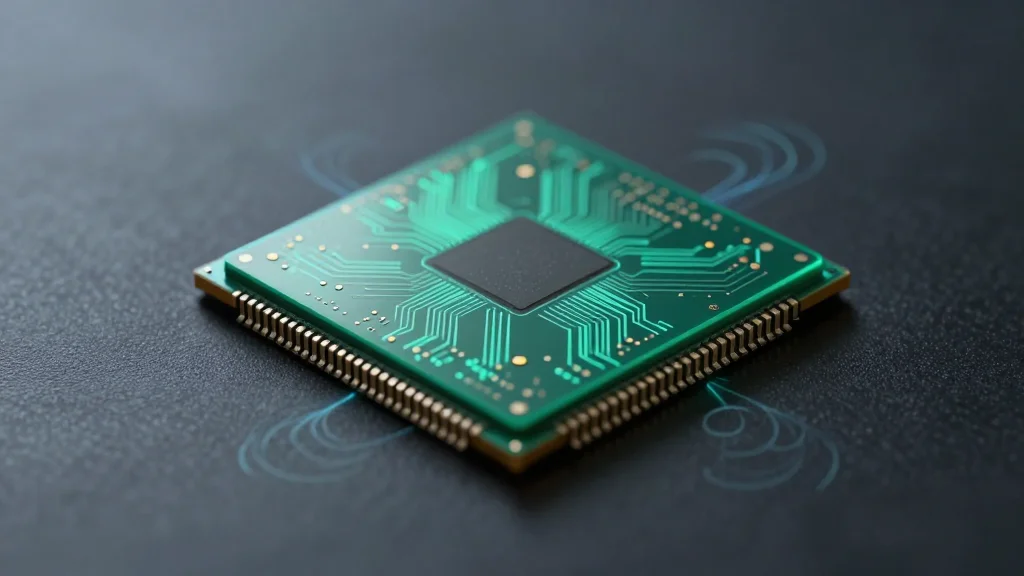
TSMC Says Energy Efficiency, Not Raw Power, Is AI Chip Priority

Companies Mentioned

Why It Matters
Energy consumption is emerging as the bottleneck for AI expansion. By delivering chips that cut power use by up to 30%, TSMC helps data‑center operators avoid soaring electricity costs and potential grid constraints, which could otherwise slow AI adoption. The focus on efficiency also aligns with broader sustainability goals, reducing the carbon intensity of AI workloads. For the supply chain, the shift drives demand for new packaging technologies, photonic components and advanced interconnects, creating growth opportunities for specialized equipment makers and reshaping the competitive dynamics among foundries. Companies that fail to match TSMC’s efficiency gains risk losing market share as customers prioritize total cost of ownership over raw performance.
Key Takeaways
- •TSMC senior VP Kevin Zhang says AI customers now prioritize energy efficiency over raw compute power.
- •TSMC aims to cut chip power consumption by up to 30% between its N2 node and upcoming A14 generation.
- •The new chips are expected to deliver more than 20% higher performance while using less electricity.
- •TSMC’s roadmap includes advanced packaging, 3D stacking, photonics and CoWoS technology, with CoWoS capacity projected to grow 80% CAGR through 2027.
- •TSMC controls about 72% of the global foundry market, making its efficiency push a potential industry standard.
Pulse Analysis
TSMC’s pivot to energy efficiency is a strategic response to the emerging economics of AI. Historically, the semiconductor playbook has been "more transistors, more speed"; now the calculus includes watts per operation. This mirrors a broader industry trend where data‑center operators are forced to treat electricity as a scarce resource, not just a utility bill. By embedding efficiency into the silicon layer, TSMC can lock in customers for the next wave of AI hardware, creating a moat that is harder for rivals to breach.
The multi‑track approach—combining packaging, photonics and CoWoS—signals that TSMC is betting on system‑level innovation rather than waiting for a single breakthrough in transistor scaling. This diversification reduces risk and spreads the upside across a broader supplier ecosystem. Companies that supply silicon‑photonic components or advanced packaging equipment stand to benefit, potentially reshaping the supply chain hierarchy.
From an investment perspective, TSMC’s clear roadmap may justify its lofty valuation. While the broader market grapples with ESG pressures and rising energy costs, a foundry that can demonstrably lower the carbon footprint of AI workloads offers a compelling narrative for both growth and sustainability‑focused investors. The next data‑center earnings reports will likely reveal whether the promised power savings translate into real‑world cost reductions, setting the tone for the next phase of AI hardware investment.
TSMC Says Energy Efficiency, Not Raw Power, Is AI Chip Priority
Comments
Want to join the conversation?
Loading comments...