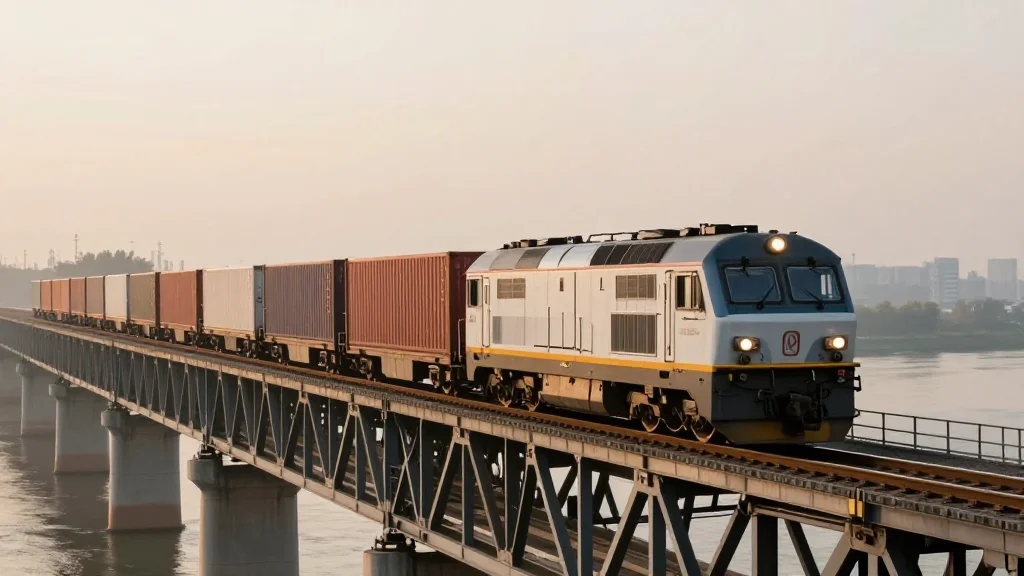
U.S. Rail Carload and Intermodal Volumes See Strong May Gains, Reports AAR
Why It Matters
Broad‑based rail volume growth signals durable demand across key economic sectors, offering investors and policymakers a real‑time gauge of U.S. economic strength and potential headwinds.
Key Takeaways
- •May carloads up 2.5% YoY, highest since 2019
- •Intermodal volumes rose 8.1% YoY, record high to date
- •Freight Rail Index hits 17‑month peak, indicating broader goods‑sector momentum
- •Growth now spans agriculture, chemicals, industrial and consumer sectors
- •AAR warns inflation, labor and trade risks could temper future freight demand
Pulse Analysis
The Association of American Railroads released its May Rail Industry Overview, a monthly digest that translates freight movements into a barometer of U.S. economic health. By aggregating data from more than 45 AAR reports, the RIO offers a clear, non‑technical snapshot for investors, policymakers and supply‑chain executives. Rail traffic has long been viewed as a leading indicator because it reflects real‑time demand for raw materials, finished goods and intermodal containers. In May, the Freight Rail Index surged to a 17‑month high, signaling that the goods side of the economy is gaining momentum after a period of uncertainty.
The numbers reinforce that momentum. U.S. carload volumes rose 2.5 % year‑over‑year, reaching their strongest level since 2019, while intermodal shipments jumped 8.1 % to a record high. Crucially, growth is no longer confined to a handful of commodities; gains appear across agriculture, chemicals, industrial products and consumer goods. Such breadth suggests durable underlying demand rather than a temporary spike in a single sector. For manufacturers, the data points to steadier inbound raw‑material flows, and for retailers it confirms resilient consumer‑related freight, bolstering confidence in supply‑chain planning.
Despite the upbeat trend, AAR cautions that several headwinds could reverse the lift. Persistent inflation, a tightening labor market, evolving trade policies and geopolitical tensions remain sources of volatility that could dampen freight volumes. Market participants should therefore monitor rail metrics alongside broader macro indicators to gauge the health of the goods economy. As rail remains the most efficient mode for bulk and long‑distance transport, its performance will continue to shape corporate logistics strategies, investment decisions and even monetary‑policy outlooks. Keeping an eye on the Freight Rail Index offers a timely pulse on these dynamics.
U.S. rail carload and intermodal volumes see strong May gains, reports AAR
Comments
Want to join the conversation?
Loading comments...