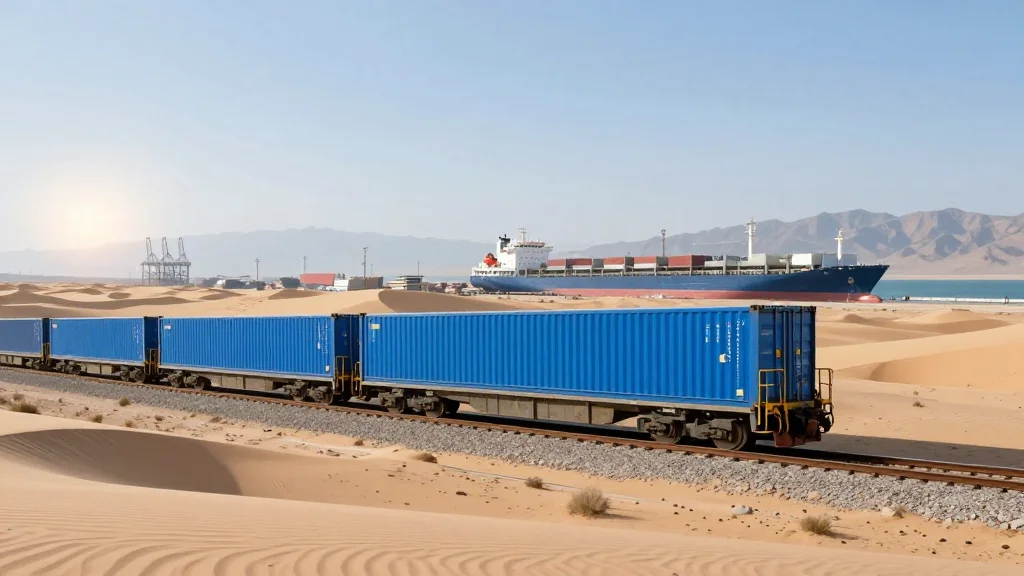
Uzbek-Afghan-Pakistan Transit Corridor Making Progress
Why It Matters
The corridor would give landlocked Uzbekistan a direct sea outlet, diversifying its trade routes and boosting Central Asian economic integration. Success could reshape regional logistics and attract new investment despite geopolitical risks.
Key Takeaways
- •Uzbekistan, Afghanistan, Pakistan reached conceptual agreement on transit corridor
- •Feasibility study and surveying already underway for the new route
- •Route targets Karachi and Gwadar ports, bypassing Iran’s uncertain corridor
- •Taliban’s lack of international recognition hampers financing and security guarantees
- •Afghanistan‑Pakistan tensions risk delaying construction and investment
Pulse Analysis
Landlocked Central Asian economies have long grappled with limited access to global markets, relying on neighboring ports to move goods. Uzbekistan’s historic attempts to route trade through Iran’s Bandar Abbas have stalled amid regional volatility, prompting a strategic pivot toward a southern corridor that traverses Afghanistan and Pakistan to reach the deep‑water ports of Karachi and Gwadar. This shift not only opens a shorter, potentially lower‑cost pathway to the Indian Ocean but also aligns with broader initiatives to create a network of multimodal links across the Silk Road region.
The agreement, announced during the Asian Development Bank’s annual gathering in Samarkand, signals a concrete step forward: a feasibility study is already in progress, and on‑the‑ground surveys have begun. Yet the project’s viability hinges on attracting capital and securing partners willing to navigate the complex political landscape. The Taliban’s limited international recognition raises red flags for multilateral lenders such as the World Bank and ADB, while the unresolved border skirmishes between Afghanistan and Pakistan add a layer of security risk that could deter private investors.
If the corridor materializes, it could transform Uzbekistan’s trade dynamics, reducing dependence on northern routes through Russia and Kazakhstan and fostering deeper economic ties with South Asia. The infrastructure would also serve as a catalyst for other Central Asian states seeking similar sea access, potentially drawing interest from China’s Belt and Road initiatives and India’s maritime ambitions. However, the project’s success will depend on diplomatic breakthroughs, stable financing mechanisms, and sustained security guarantees across a historically turbulent region.
Uzbek-Afghan-Pakistan transit corridor making progress
Comments
Want to join the conversation?
Loading comments...